 ultimate-guide
Reflective TPO Roofing Membranes: Benefits & Energy Savings
Table of Contents
- What Is TPO Roofing and How Reflective Membranes Work
- Energy Efficiency and Cooling Cost Reduction
- Durability, UV Resistance, and Puncture Protection
- TPO Roof Lifespan and Long-Term Performance
- TPO Roof Maintenance Requirements and Best Practices
- TPO Roofing Disadvantages and Realistic Limitations
- Best Roofing Material to Reflect Heat: TPO vs. Alternatives
- Frequently Asked Questions
Last Updated: October 6, 2026
What Is TPO Roofing and How Reflective Membranes Work
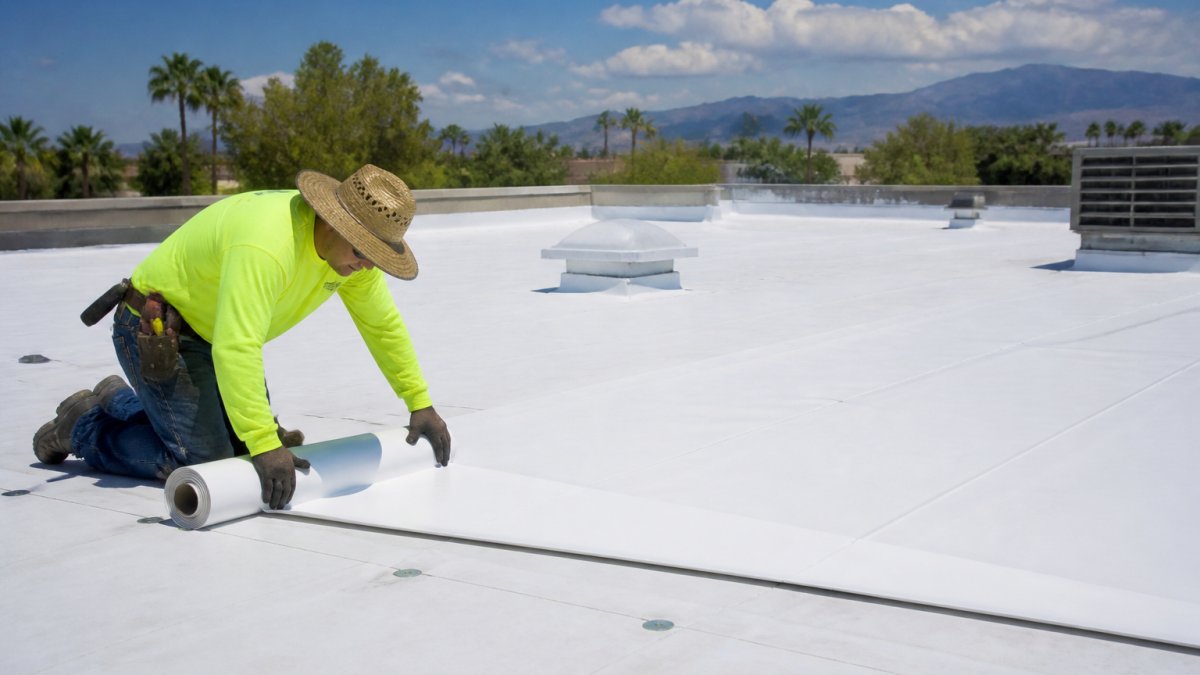
Reflective TPO roofing is a single-ply membrane system made from thermoplastic polyolefin that reflects solar radiation rather than absorbing it. The white or light-colored surface of the membrane acts as a thermal barrier, bouncing sunlight away from your building instead of letting it convert to heat buildup inside.
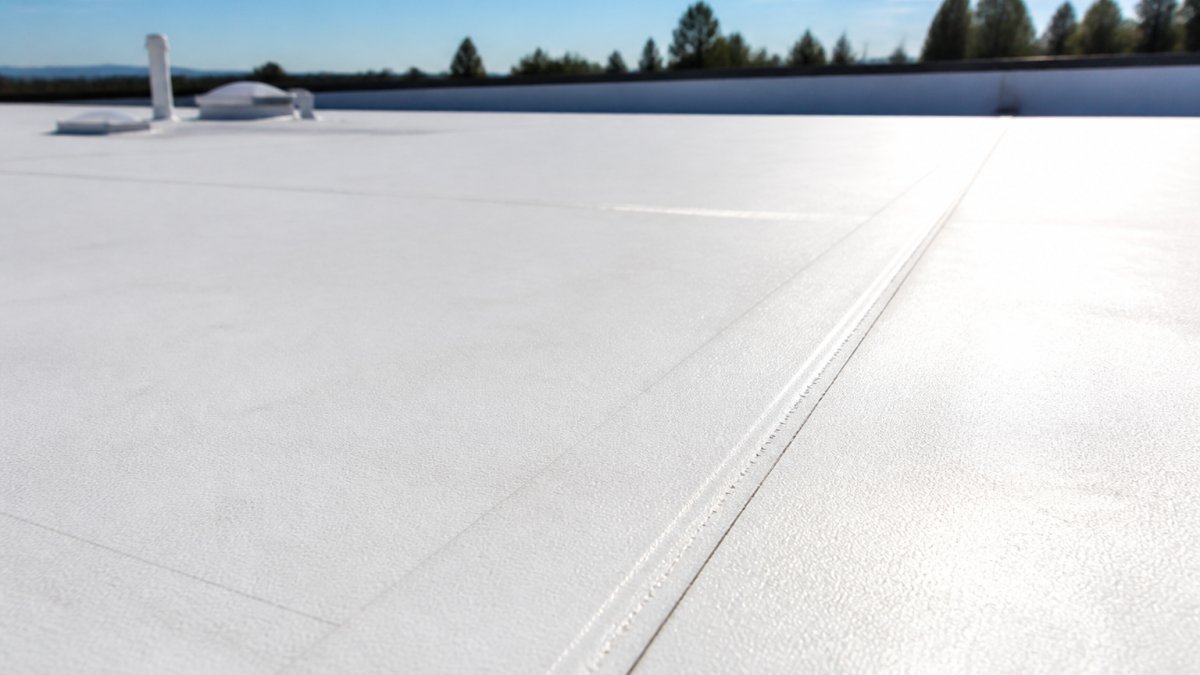
The membrane itself is engineered for durability. Heat-welded seams join the material together, creating a continuous waterproof system rather than relying on adhesives or mechanical fasteners. This seam strength is critical, a properly installed TPO roof system's integrity depends on these welds performing under temperature extremes and UV exposure.
TPO membranes typically range from 45 to 90 mils thick. The thicker versions offer better puncture resistance, while thinner options reduce material costs. The material contains plasticizers and rubber compounds that keep the membrane flexible in cold temperatures while maintaining stability in heat. This balance is what makes TPO different from older single-ply options that became brittle or unstable over time.
The reflective surface quality matters immediately, the whiter and more uniform the membrane, the better the solar reflectance performance from day one.
Energy Efficiency and Cooling Cost Reduction
The primary advantage of reflective TPO roofing is reduced cooling load. When a roof absorbs solar heat, that energy transfers into the building envelope, forcing air conditioning systems to work harder. A reflective membrane keeps that heat outside, lowering the temperature differential your HVAC system must overcome.
The impact varies by climate and building design. In warmer months, buildings with reflective roofing stay cooler at the roof surface, which means measurable reductions in cooling runtime. Buildings in humid climates see particular benefits because the reduced heat gain translates directly to lower dehumidification demand.
Energy efficiency from reflective TPO comes down to solar reflectance, the percentage of incoming solar radiation the membrane bounces back. New TPO membranes with high-quality white surfaces typically reflect 70-85% of solar radiation. This is substantially higher than dark asphalt shingles or tar-based systems, which absorb 85-95% of incoming solar energy.
The cooling cost reduction depends on several factors: roof area, building insulation, local climate, electricity rates, and how much of the year requires active cooling. A commercial building in a warm climate with significant roof exposure will see more dramatic savings than a small residential structure in a temperate zone. Many building owners find that reflective roofing reduces cooling costs, though the exact percentage varies widely based on these variables.
Reflective TPO also addresses roof surface temperature directly. Dark roofs can reach 150-190°F on sunny days, while reflective TPO membranes stay 30-50°F cooler under the same conditions. This temperature difference reduces thermal stress on the membrane itself and on any roof-mounted equipment.
Durability, UV Resistance, and Puncture Protection
TPO roofing offers genuine resistance to UV weathering. The material's composition includes stabilizers and additives that protect against ultraviolet degradation. Unlike older rubber-based membranes that hardened and cracked under prolonged UV exposure, TPO maintains flexibility and integrity over extended sun exposure.
Puncture resistance is a practical advantage for commercial and industrial buildings. The rubber and polyolefin blend resists tearing from foot traffic, debris impact, or contact with sharp objects. A properly installed TPO system with adequate thickness handles the movement and stress of building access and maintenance work better than thin, brittle membranes.
Chemical resistance is another durability factor. TPO membranes resist common roofing hazards: oils, greases, solvents, and certain industrial emissions. This makes TPO suitable for buildings near processing facilities, parking structures, or areas with airborne contamination. The material doesn't degrade when exposed to these substances the way some older roofing materials do.
The heat-welded seams contribute significantly to long-term durability. Unlike glued or mechanically fastened seams, welded joints don't rely on adhesive breakdown or fastener corrosion. The seam itself becomes part of the continuous membrane, maintaining structural integrity as the roof ages. This is why seam strength testing is a critical quality metric for any TPO installation.
Temperature cycling affects roofing materials. TPO performs well through freeze-thaw cycles because the material remains flexible even at low temperatures. The thermoplastic nature means it doesn't become brittle in cold weather, a common failure mode for older rubber membranes. This flexibility reduces the risk of seam separation or membrane cracking during seasonal temperature swings.
TPO Roof Lifespan and Long-Term Performance
The lifespan of a reflective TPO roofing system typically ranges from 15 to 25 years under normal conditions. This is a meaningful improvement over asphalt shingles, which often fail after 15-20 years, though shorter than some premium metal roofing options that can exceed 40 years.
Actual lifespan depends heavily on installation quality and maintenance. A properly installed TPO system with quality heat-welded seams, adequate drainage, and regular inspection will perform at the longer end of this range. Poor installation, inadequate slope for water drainage, or deferred maintenance shortens lifespan significantly.
The reflective properties of TPO don't degrade at a fixed rate. New membranes have the highest solar reflectance. Over time, dust, dirt, and weathering gradually reduce reflectance, typically by 10-20% over 10 years depending on local air quality and cleaning frequency. A membrane that reflects 80% when new might reflect 65-70% after a decade. This gradual decline is normal and expected, but it does mean cooling benefits are highest in the first years after installation.
UV resistance extends TPO lifespan compared to materials that harden and crack under sun exposure. The stabilizers in the material protect against this degradation, allowing the membrane to remain flexible and functional for the full design life. Buildings in sunny climates with quality TPO installations often see consistent performance throughout the rated lifespan.
Seam performance is the critical factor for reaching design life. Welds that are properly executed and inspected hold integrity throughout the membrane's life. Seams that were inadequately welded or exposed to poor installation conditions fail prematurely, sometimes within 5-10 years. This is why professional installation and thorough inspection are essential investments.
TPO Roof Maintenance Requirements and Best Practices
Regular inspection is the foundation of TPO maintenance. Most professionals recommend inspections twice yearly, once in spring and once in fall, to identify debris, standing water, or early signs of damage. Early detection prevents small issues from becoming roof system failures.
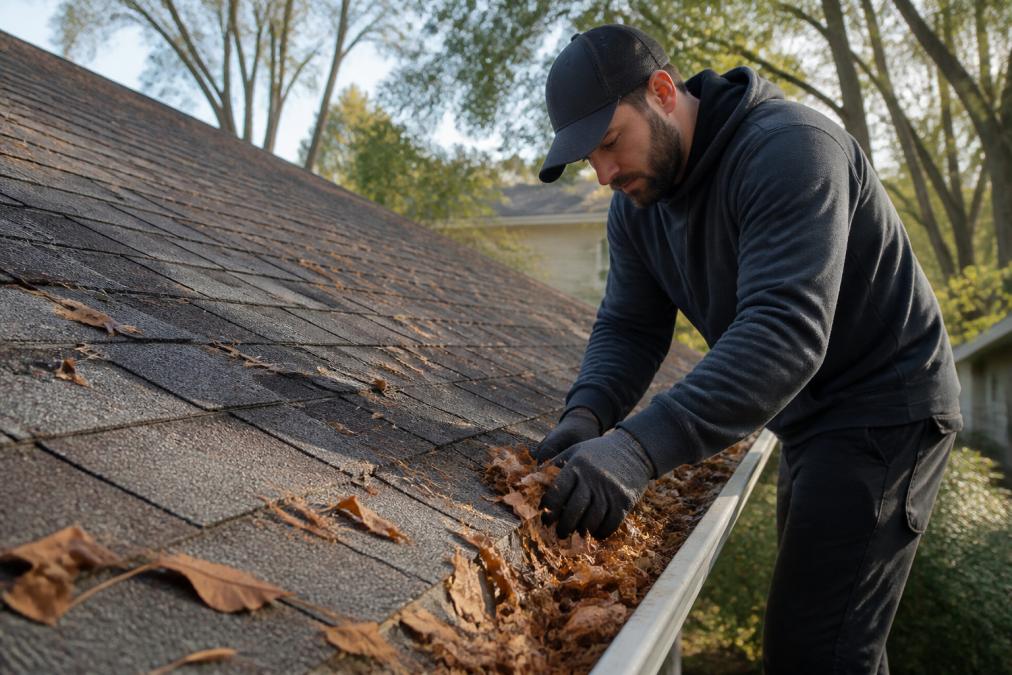
Debris removal is straightforward but important. Leaves, branches, dirt, and other accumulation should be cleared from the roof surface and especially from drainage areas. Debris traps moisture against the membrane, accelerating degradation. Standing water indicates drainage problems that need correction.
Seam inspection matters more than general surface inspection. Walk the perimeter of all seams, looking for separation, gaps, or visible wear. Seams are the highest-risk areas for failure because they're the transition points in the membrane. Any visible damage to a seam should be professionally evaluated and repaired immediately.
Cleaning extends reflectance and lifespan. Dirt and algae growth reduce the solar reflectance of white TPO membranes, which reduces cooling benefits and can accelerate weathering in some cases. Gentle cleaning with low-pressure water and mild detergent restores reflectance. Avoid high-pressure washing, which can damage seams or force water under the membrane.
Roof coatings are sometimes applied to TPO systems to restore reflectance or add additional protection. These are optional but can extend the functional life of aging membranes. A quality reflective coating can restore solar reflectance to near-original levels and add 5-10 years to a roof system's useful life.
Drainage maintenance prevents water pooling. TPO roofs must slope adequately to shed water. If slopes have changed due to building settlement or structural movement, water may pond on the membrane. Ponding accelerates membrane aging and creates leak risk. Correcting slope problems often requires professional structural assessment.
TPO Roofing Disadvantages and Realistic Limitations
TPO roofing is not ideal for every application or climate. In cold climates with extended freezing periods, some TPO membranes become less flexible at very low temperatures.
Installation quality directly determines performance. TPO roofing is only as good as the seam welds. Poor welding technique, inadequate inspection, or substandard installation results in premature failure. This means contractor selection is critical, choosing the lowest-cost installer often leads to problems that cost far more to repair later.
Reflectance degradation is real. The white surface that provides cooling benefits doesn't stay pristine. Dirt, algae, and weathering reduce reflectance over time. Buildings in areas with poor air quality or high dust see faster reflectance loss.
TPO is not the most durable roofing material available. Metal roofing systems often outlast TPO by 15-20 years or more. If longevity is the primary concern, premium metal options may offer better value over a 40-50 year horizon, despite higher upfront costs.
Chemical compatibility varies by TPO formulation. While TPO generally resists common chemicals, some industrial solvents or specific substances can degrade the material. Buildings with exposure to unusual chemicals should verify compatibility before choosing TPO.
Seam vulnerability is the most common failure point. Mechanical damage to seams, poor initial welding, or seam separation due to building movement can lead to leaks. Unlike monolithic roofing materials, TPO's reliance on seams creates a potential weakness if installation or maintenance is inadequate.
Cost of repair can be high if seams fail. Fixing a failed seam requires professional heat welding equipment and expertise. Temporary patches may work short-term, but permanent repairs demand proper equipment and skill.
Best Roofing Material to Reflect Heat: TPO vs. Alternatives
Reflective TPO roofing performs well for heat reflection, but it's not the only option. Understanding the alternatives helps clarify when TPO is the best choice and when other materials might serve better.
Metal roofing with reflective coatings offers durability that exceeds TPO. A painted metal roof with a light-colored finish reflects solar heat similarly to TPO while lasting 40-60 years or longer.
Elastomeric coatings applied over existing roofs provide reflectance improvement without full replacement. These coatings can restore cooling benefits to aging roofs at a fraction of replacement cost.
Thermoplastic polyolefin is lighter weight than many alternatives, which matters for buildings with limited structural capacity.
Built-up roofing (BUR) with reflective coatings is an older approach that still appears on some buildings. Modern BUR systems with light-colored stone or reflective coating can reflect heat, but the material is heavier and generally less durable than TPO.
EPDM (ethylene propylene diene monomer) rubber roofing is often installed in dark colors, which absorb rather than reflect heat. Light-colored EPDM exists but is less common.
The best roofing material to reflect heat depends on priorities. If energy savings and moderate cost are the primary goals, reflective TPO roofing delivers solid performance. If maximum lifespan is the priority, metal roofing justifies higher cost.
For most commercial buildings in moderate to warm climates, reflective TPO roofing balances energy efficiency, durability, and cost-effectiveness.
| Material | Reflectance | Typical Lifespan | Relative Cost | Best For |
|---|---|---|---|---|
| TPO (reflective) | 70-85% | 15-25 years | Moderate | Energy efficiency + durability balance |
| Metal (painted) | 65-80% | 40-60 years | High | Maximum lifespan |
| Elastomeric coating | 60-75% | 10-15 years | Low | Budget-conscious upgrades |
| EPDM (dark) | 5-15% | 15-20 years | Moderate | Not recommended for heat reflection |
| Built-up roofing | 50-70% | 15-20 years | Moderate | Older buildings, declining use |
Reflective TPO roofing membranes deliver measurable cooling benefits and solid durability for most commercial and residential applications. The white surface reflects solar heat, reducing cooling demand and extending roof lifespan through lower thermal stress.
Frequently Asked Questions
How much can reflective TPO roofing reduce my cooling costs?
Reflective TPO roofing membranes reduce roof surface temperatures by reflecting solar radiation away from the building. The actual cooling savings depend on your climate, roof size, insulation, and HVAC efficiency. Buildings in warmer regions typically see the most benefit. Consult with a roofing professional to estimate savings for your specific property based on local climate data and your current energy usage.
How long does a TPO roof lifespan typically last?
A well-maintained TPO roofing system generally lasts 15-20 years, with some systems reaching 25 years under ideal conditions. Lifespan depends on installation quality, climate exposure, maintenance frequency, and the specific product used. UV exposure, extreme temperature swings, and poor maintenance can shorten lifespan. Regular inspections and prompt repairs help maximize the life of your TPO membrane.
What maintenance does a reflective TPO roof require?
TPO roof maintenance includes annual inspections for seam integrity, debris removal, and checking for punctures or chemical damage. Keep the membrane clean to preserve reflectivity. Inspect flashing, gutters, and drainage regularly. Address any damage immediately to prevent water intrusion. Professional maintenance every 2-3 years helps extend the roof's lifespan and maintain energy performance.
What are the main disadvantages of TPO roofing?
TPO roofing disadvantages include potential seam durability concerns in certain climates, reflectivity degradation over time if not maintained, vulnerability to chemical damage from certain oils or solvents, and cost considerations for initial installation.