 How-to
How to Inspect Roof Shingles for Storm Damage
Last Updated: November 8, 2026
Quick Summary
Inspect roof shingles for storm damage from the ground, only after the storm has fully passed and the roof is dry. Walk the perimeter and scan for missing, lifted, or curled shingles, dented metal, and granule loss at downspouts. Never walk a wet, steep, or damaged roof.
- Hail damage clusters on one or two roof slopes rather than spreading evenly.
- Dented metal on vents, flashing, and gutters is the most reliable visual hail evidence.
- Storm lifting is sudden and localized, while age-related curling is gradual and uniform.
- Photograph all damage before any repair and keep every picture until your claim is settled.
- Call a professional for widespread missing shingles, water stains, or sagging and soft spots.
Table of Contents
- When It Is Safe to Inspect After a Storm
- Start With a Ground-Level Visual Inspection
- How to Inspect Shingles for Hail Damage
- Spotting Wind Damage, Missing Shingles, and Lifted Shingles
- Reading Granule Loss, Dark Spots, and Discoloration
- Using Binoculars and Roof Damage Pictures to Document What You See
- How to File a Storm Damage Roof Insurance Claim
- What Roof Damage Repair Cost Looks Like and When to Call a Professional
- Frequently Asked Questions
When It Is Safe to Inspect After a Storm
The only safe way to inspect roof shingles for storm damage is from the ground, and only after the storm has fully passed and the roof is dry. Never walk a wet, steep, or damaged roof. Your safety matters more than any shingle.
Here is when a walk-around is safe:
- The rain, hail, and wind have stopped completely
- No standing water or slick shingles remain
- You stay on solid ground with a steady footing
- You avoid power lines, sagging branches, and loose debris
Watch out: climbing onto a damaged roof can cause a fall or send you through a soft spot. A roof inspection is a ground-level job first.
Storm damage is any harm to roof shingles, flashing, or roof surface caused by hail, wind, or flying debris. Most of it is visible from your yard.
Start With a Ground-Level Visual Inspection
A ground-level inspection is the first and most important step. Walk the perimeter of your home and look up slowly. This visual inspection catches most roof damage before you ever need a ladder.
Scan for these signs:
- Missing shingles or bare patches on any roof slope
- Lifted shingles or curled shingles along the roof edge
- Debris, leaves, and branches stuck on the roof surface
- Granules piled up at the base of downspouts
- Dented flashing, roof vents, or gutters
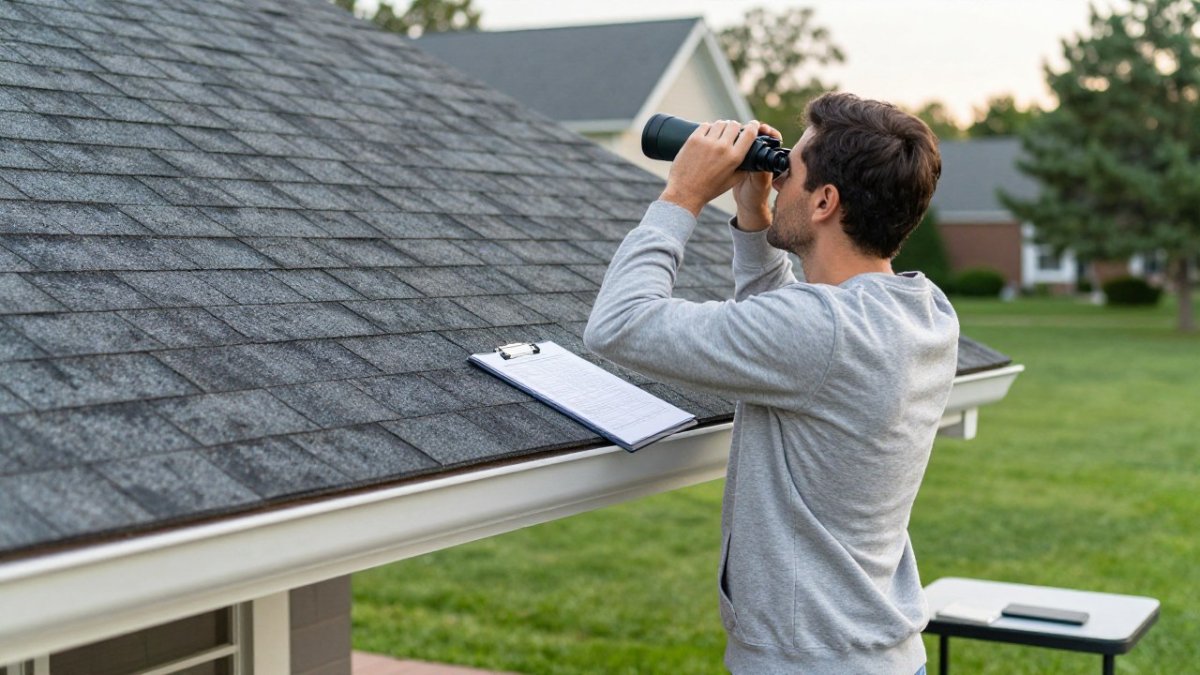
Use a phone camera to zoom in on anything that looks off. Note where each problem sits on the roof. This simple record becomes your storm checklist for later.
How to Inspect Shingles for Hail Damage
Hail damage is the hardest storm damage to confirm from the ground because the most telling evidence is tactile, not visual. Hailstones strike the shingle mat and fracture the fiberglass core beneath the asphalt coating, creating a soft, bruised spot that may look nearly normal from 20 feet away. That is why a ground-level hail inspection is a screening tool, not a final verdict.
What hail does to an asphalt shingle depends on hail size, wind angle, and shingle age. Small hail under about 1 inch often only knocks granules loose. Larger stones bruise the mat, and stones driven at an angle by wind concentrate damage on the windward roof slope and on south- and west-facing planes that take the most direct sun and weather. Older shingles that have lost flexibility bruise more easily than newer ones.
From the ground, scan for these hail indicators:
- Impact marks, circular spots where granules are missing and the asphalt beneath looks darker or shinier
- Dented shingles, a dimpled or pockmarked face, best seen in raking light at low sun angles
- Cracked shingles, spiderweb or starburst fractures, often near the roof edge or ridge
- Dented metal, soft metal on roof vents, flashing, gutter aprons, and downspout tops is the most reliable visual hail evidence because metal dents without hiding them
- Granule splash, grit washed into gutters or piled at downspout openings after a hail event
A common pattern is that hail damage clusters on one or two roof slopes rather than spreading evenly. Note which slope each mark sits on; that pattern helps a professional confirm whether hail or ordinary wear is the cause.
Watch out: a suspected hail bruise cannot be confirmed by looking. The standard field check is to press a soft spot gently with a finger or blunt tool to feel whether the mat has fractured, but do not do this from a ladder or on the roof. Leave the touch test to a qualified roof inspector, and never walk hail-damaged shingles, which crack and tear under foot traffic.
To tell hail bruising from ordinary granule loss, compare shape and distribution. Hail marks are round, clustered, and often accompanied by dented metal. Normal wear is spread out, gradual, and concentrated in high-traffic or sun-exposed areas. When in doubt, photograph the area with a scale reference and let a professional roofer assess it before you file a claim.
From the ground, these are the hail indicators to scan for and what each one looks like.
| Hail indicator | What to look for |
|---|---|
| Impact marks | Circular spots with missing granules; darker or shinier asphalt |
| Dented shingles | Dimpled or pockmarked face, best in raking light |
| Cracked shingles | Spiderweb or starburst fractures near edge or ridge |
| Dented metal | Dented roof vents, flashing, gutter aprons, downspout tops |
| Granule splash | Grit washed into gutters or piled at downspout openings |
Spotting Wind Damage, Missing Shingles, and Lifted Shingles
Wind damage follows the wind, and the pattern it leaves tells you where to look. Gusts pry at the exposed edges of shingles first, so the roof edge, ridge, and hips take the hardest hit, along with any slope facing the storm's prevailing direction. A common pattern is damage concentrated on one or two planes of the roof while the sheltered slopes look untouched.
Wind creates several distinct failure modes:
- Missing shingles, whole tabs torn away, exposing the underlayment or decking beneath
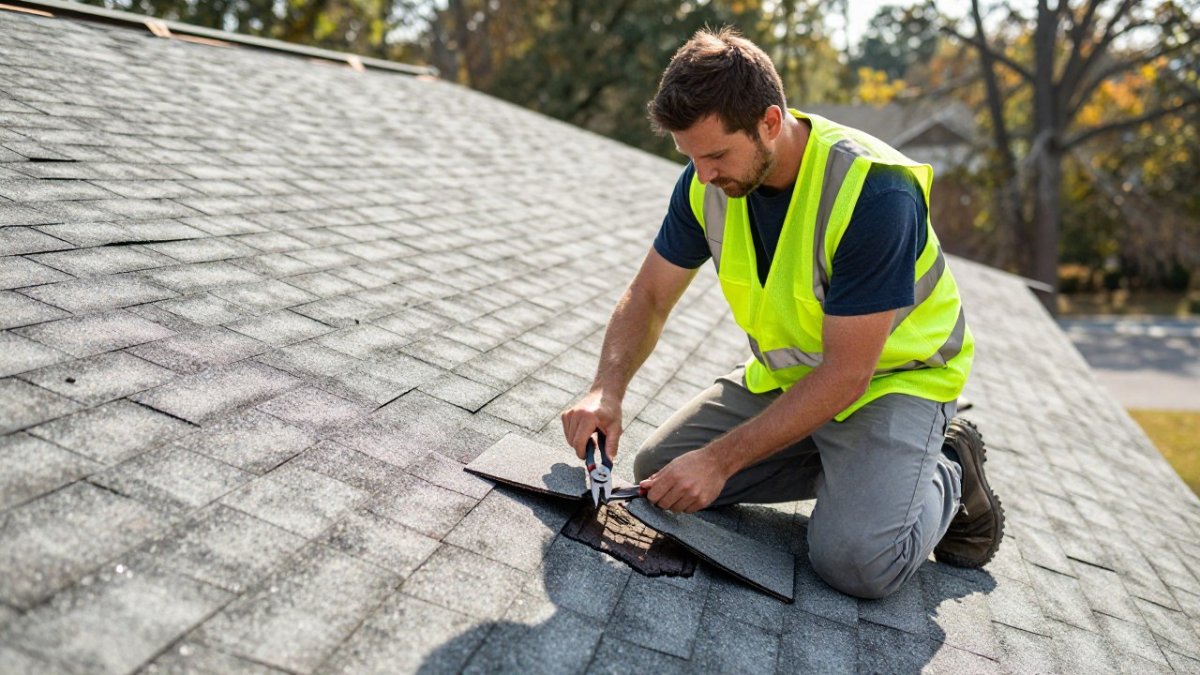
- Lifted shingles, tabs peeled up at the corners or along the seal strip, sometimes flapping in a breeze
- Displaced shingles, tabs slid out of line or creased where the wind folded them back
- Loose shingles near the ridge and roof edge, where the seal is weakest
- Torn or lifted flashing at chimneys, walls, and vents, which is often the first place wind-driven rain gets in
Distinguish storm-lifted shingles from age-related curled shingles. Curling from age is gradual, uniform across the roof, and usually accompanied by widespread granule loss. Storm lifting is sudden, localized, and often leaves a crease line where the tab was bent back. If the damage appeared after a specific storm and clusters on one slope, wind is the likely cause.
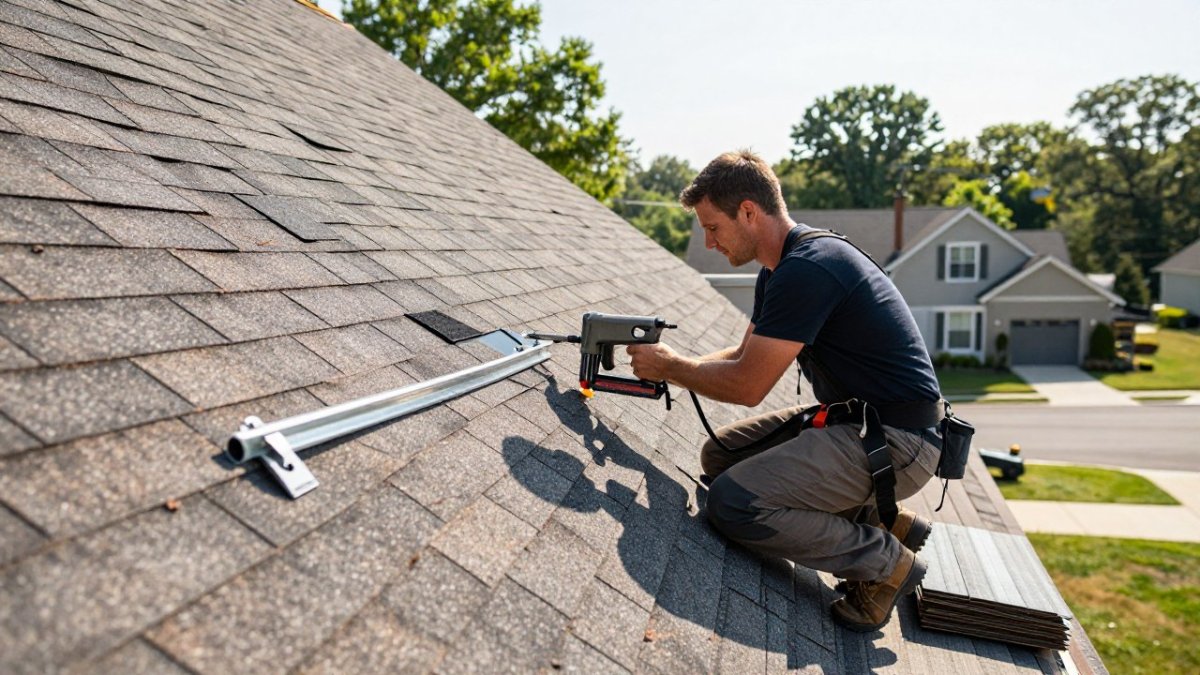
Safe inspection boundaries matter here. From the ground you can confirm missing tabs, obvious lifting, and displaced shingles with binoculars or a phone camera zoom. You should not climb the roof to check a lifted tab, especially after a storm that may have loosened decking or created soft spots. Wet shingles, steep pitches, and any roof with visible sagging are off-limits for a homeowner.
Watch out: a few lifted shingles are easy to dismiss, but once the seal breaks, wind-driven rain gets under the tab and reaches the deck. That small gap becomes a roof leak and ceiling damage inside, often weeks later. Photograph the lifted area from the ground, note the slope and location, and have a roofing contractor assess it before the next rain.
Reading Granule Loss, Dark Spots, and Discoloration
Granule loss is one of the clearest signs of storm damage. The granules protect the shingle, and when they wash away, the roof surface wears out faster. You will often find grit in the gutters and at downspout openings.
Watch for these signals:
- Dark spots and discoloration on the shingles
- Bald patches where granules are missing
- Grit collecting in gutters after a storm
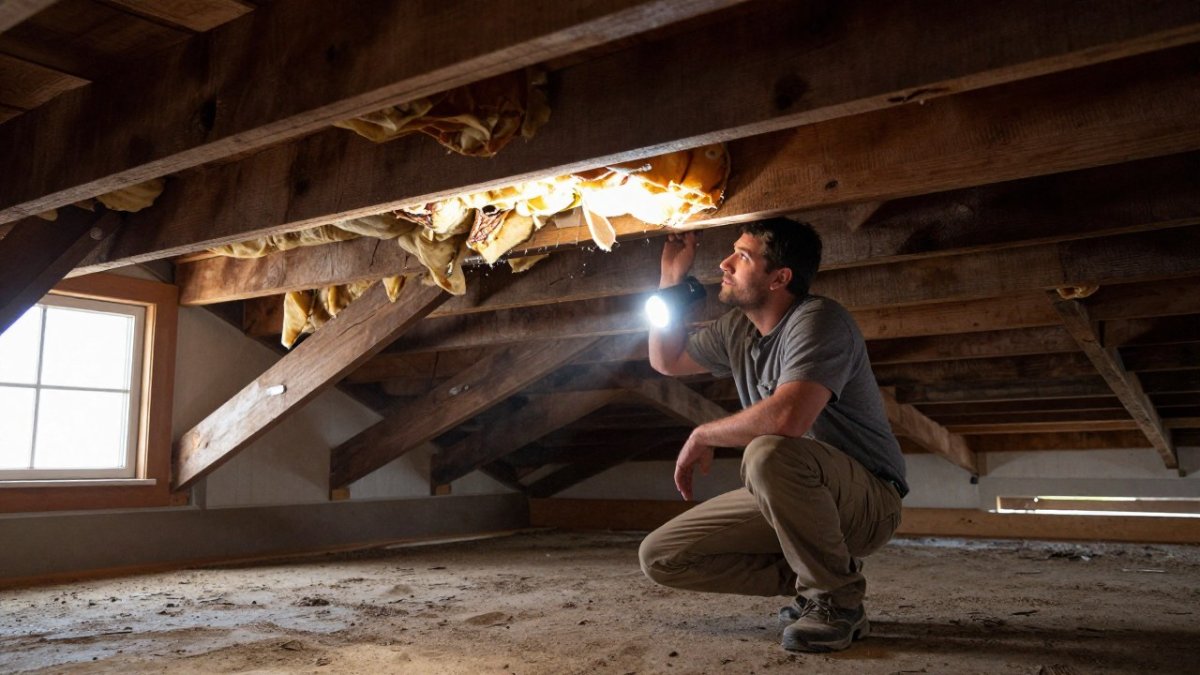
- Water stains on the attic or ceiling
What most guides miss is that discoloration can mean two things. Sometimes it is hail bruising. Sometimes it is just age. A professional roofer can tell them apart before you file a claim.
Using Binoculars and Roof Damage Pictures to Document What You See
Binoculars let you inspect the roof safely from the ground. Pair them with clear roof damage pictures to build a strong record. Good photos support a storm damage roof insurance claim.
Follow these steps:
- Stand back and photograph the whole roof slope
- Zoom in on each damaged area with the binoculars
- Take wide and close shots of the same spot
- Note the date, time, and location of each photo
FEMA's guide to documenting disaster damage recommends photographing damage before you make any repairs. Keep every picture until your claim is settled. For a full walkthrough, see our guide on how to document roof damage for insurance claims.
How to File a Storm Damage Roof Insurance Claim
Filing a storm damage roof insurance claim starts with a call to your insurer. Report the damage quickly and ask what they need from you. Most policies require prompt notice after a storm.
Your claim checklist:
- Photograph all damage before any repair
- Save receipts for emergency tarping
- Get a written damage assessment
- Meet the adjuster on site
- Keep copies of every document
The Insurance Information Institute's guide to homeowners claims explains how the process works. A roofing contractor who knows claims can help you avoid missed damage. For the full process, read our homeowner's guide to roof damage insurance claims. If you need to check your roof safely first, start with our guide on how to safely inspect a roof for damage.
What Roof Damage Repair Cost Looks Like and When to Call a Professional
Roof damage repair cost depends on the damage size, the shingle type, and whether water got inside. The real risk is hidden water damage in the attic that shows up weeks later.
Call a professional when you see:
- Widespread missing shingles or granule loss
- Water stains or interior leaks
- Sagging or soft spots on the roof
- Damage near flashing, roof vents, or the ridge
Watch out: patching one spot often hides a bigger problem. A roofing contractor checks the whole roof surface, not just the visible damage. For ballpark figures, see our breakdown of the average cost of asphalt shingle roof replacement. When you are ready for repairs, you can book residential roofing repair with our team.
Storm damage rarely stays small. A lifted shingle today can mean a ceiling leak next month, and hidden damage is what drives up repair bills. At Certified Roofing Solutions Inc., our experienced team handles residential and commercial roofing, from storm repairs to full installations, with services tailored to your project. We serve homeowners and property managers across Marietta, Alpharetta, Dunwoody, and Johns Creek, Get started with Certified Roofing Solutions Inc. and protect your roof before the next storm hits.
Frequently Asked Questions
How do I know if my roof has storm damage?
Look for missing, lifted, or curled shingles from the ground, dark spots, granule loss in gutters, and dents on shingles or metal flashing. Check the attic for water stains and daylight. If you see any of these signs, take roof damage pictures and call a professional roofer for a full inspection.
Will insurance cover shingles blown off by wind?
Most homeowners insurance policies cover wind damage to roof shingles, including missing or lifted shingles, subject to your deductible and policy terms. Document the damage with photos before any repairs and file a storm damage roof insurance claim promptly. A roofing contractor can help you record the damage accurately.
When should I call a roofing professional after a storm?
Call a roofing professional if you see missing shingles, large areas of granule loss, dents from hail, water stains on ceilings, or if your roof is older than 15 years. A professional roofer can safely inspect the roof slope, flashing, and attic, and provide a written damage assessment for your insurance claim.
What does roof damage repair cost typically include?
Roof damage repair cost depends on the extent of damage, roof size, material, and whether the repair is a patch or partial replacement. Minor shingle repairs cost less than full sections, while structural damage or leaks add to the total. Get a written estimate from a licensed roofing contractor before work begins.