 ultimate-guide
Average Cost of Asphalt Shingle Roof Replacement
Table of Contents
- What Asphalt Shingle Roof Replacement Costs Today
- Asphalt Shingle Roof Replacement Cost Per Square Foot
- Pricing by Roof Size: Examples for Common Home Dimensions
- 3-Tab vs. Architectural Shingles Cost Comparison
- Labor and Installation Costs Explained
- Roof Tear-Off and Disposal Cost
- Hidden Costs and Factors That Affect Roof Replacement Pricing
- Roof Replacement Estimate Checklist
- Frequently Asked Questions
Last Updated: October 10, 2026
What Asphalt Shingle Roof Replacement Costs Today
The average cost of asphalt shingle roof replacement ranges from several thousand to tens of thousands of dollars depending on roof size, materials, and labor. At Certified Roofing Solutions Inc., we help homeowners in Marietta, Alpharetta, Dunwoody, and Johns Creek understand what drives pricing.
Total cost breaks down into three components: materials, labor, and disposal. Material costs vary by shingle quality (3-tab vs. architectural). Labor typically represents 40-60% of total cost, while tear-off and disposal adds 10-15% that many homeowners underestimate.
Asphalt Shingle Roof Replacement Cost Per Square Foot
Pricing is typically quoted per roofing square (100 square feet), a standardized measurement that makes comparing quotes easier.
Cost per square foot varies by shingle quality and region. Basic 3-tab shingles cost less than architectural shingles, which offer better durability and appeal.
Ask contractors to break down per-square-foot costs for materials separately from labor to understand price differences.
Pricing by Roof Size: Examples for Common Home Dimensions
Roof replacement costs scale with total square footage. Understanding how roof area is measured is essential to evaluating estimates accurately.
How roof area is measured and calculated
Roof area differs from floor square footage. A 2,000-square-foot home may have 2,200-2,400 square feet of roof area depending on pitch, overhangs, and design.
Contractors measure slope distance, not horizontal projection. A 12/12 pitch roof requires approximately 20% more material than a 4/12 pitch on the same footprint.
Contractors use: Home footprint × pitch multiplier = roof area. Examples: 4/12 pitch (1.06), 6/12 pitch (1.12), 8/12 pitch (1.20), 12/12 pitch (1.41). A 2,000-square-foot home with 8/12 pitch = 2,400 square feet of roof.
Dormers, valleys, and complex designs increase roof area. Ask your contractor to confirm total square footage before comparing quotes.
Material waste and overages
Contractors add 10-15% to calculated roof area for material waste. A 2,400-square-foot roof may require 2,640-2,760 square feet of materials ordered.
Verify whether estimates include waste allowance. Transparent estimates specify calculated area, waste percentage, and total material quantity.
Sample cost breakdowns by roof size
1,700-square-foot roof (17 squares)
A 1,700-square-foot roof (typical single-story home) will have costs that vary depending on materials, labor, and tear-off/disposal. Installation takes 2-3 days.
2,000-square-foot roof (20 squares)
A 2,000-square-foot roof (mid-sized home) will have costs that vary depending on materials, labor, and tear-off/disposal. Installation takes 3-4 days. Per-square-foot costs can decrease due to labor efficiency.
2,500-square-foot roof (25 squares)
A 2,500-square-foot roof (larger property) will have costs that vary depending on materials, labor, and tear-off/disposal. Complex designs may push costs toward the upper range.
Architectural shingles cost impact by roof size
Upgrading from 3-tab to architectural shingles adds to material costs across all roof sizes. Labor costs remain relatively consistent regardless of shingle type, as installation methodology is similar. The total project cost difference between 3-tab and architectural shingles scales directly with roof area.
Using estimates to verify contractor calculations
When you receive a contractor estimate, verify the calculation by asking these questions:
- What total roof area (in square feet) are you calculating from?
- What pitch multiplier did you apply to my home's footprint?
- What waste percentage is included in your material quantity?
- Are permits and inspections included in the labor cost?
- What is your per-square-foot rate for materials and labor separately?
A contractor who can clearly explain their measurement methodology and provide itemized costs per square foot demonstrates transparency and professionalism. Estimates that lack this detail or vary significantly from similar-sized homes in your area warrant follow-up questions before commitment.
3-Tab vs. Architectural Shingles Cost Comparison
Shingle type is one of the most significant factors affecting your total investment. Understanding the cost difference between 3-tab and architectural shingles helps you make an informed material selection.
| Shingle Type | Typical Lifespan | Material Cost Impact | Best For |
|---|---|---|---|
| 3-Tab Shingles | 15-20 years | Lower cost baseline | Budget-conscious homeowners, rental properties |
| Architectural Shingles | 20-30 years | 25-40% higher cost | Aesthetic appeal, longer durability, resale value |
3-tab shingles offer a straightforward, economical choice. They install quickly and provide basic weather protection. However, they show wear more visibly over time and may need replacement sooner than architectural alternatives.
Architectural shingles cost more upfront but deliver superior durability and visual appeal. The thicker, dimensional design resists wind damage better and weathers more gracefully. For homeowners planning to stay in their home long-term, architectural shingles often represent better value despite higher initial expense.
Labor and Installation Costs Explained
Labor typically accounts for 40-60% of your total average cost of asphalt shingle roof replacement. This substantial portion reflects the skilled work, safety equipment, and project management required for quality installation.

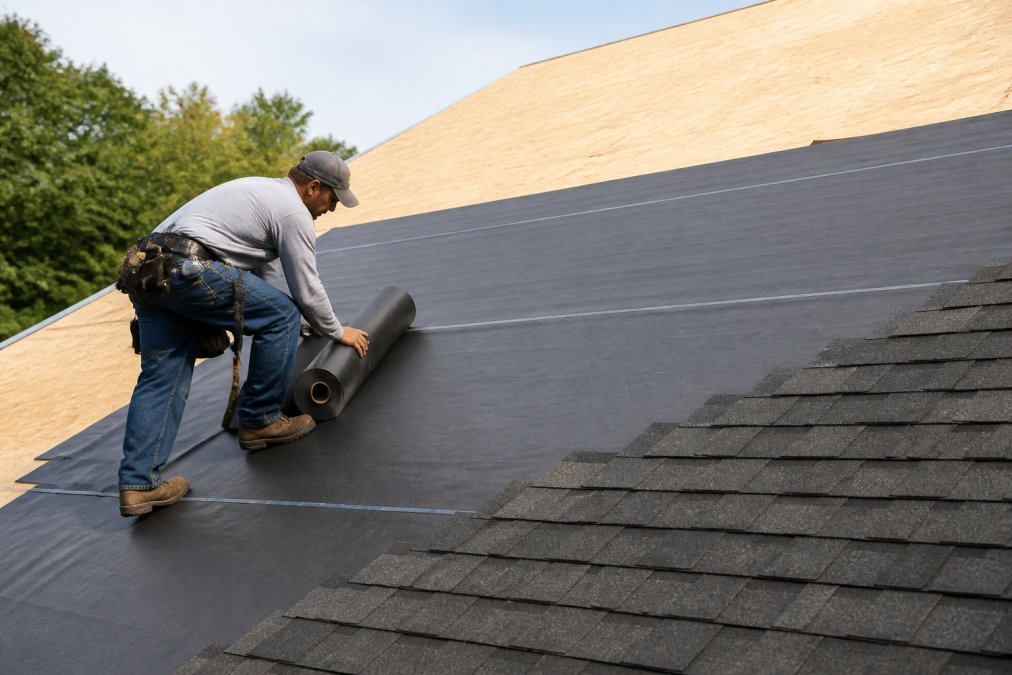
Professional installation requires specialized knowledge. Your contractor must properly seal shingles, install underlayment correctly, flash penetrations like chimneys and vents, and ensure proper ventilation. Poor installation leads to leaks and premature failure, making experienced labor worth the investment.
Installation timeline depends on roof size, complexity, weather, and crew size. A straightforward 2,000-square-foot roof typically takes 2-4 days. Complex roofs with steep pitches, multiple angles, or difficult access may require additional time and specialized equipment, increasing labor costs.
Roof Tear-Off and Disposal Cost
Removing your old roof and disposing of the materials is a separate line item that shouldn't be overlooked. Many homeowners are surprised to learn that tear-off and disposal can represent 10-15% of the total average cost of asphalt shingle roof replacement.
Your contractor must safely remove existing shingles, underlayment, and damaged decking. They haul away the debris, typically weighing 2-5 tons depending on roof size, and dispose of it properly at licensed facilities. Some contractors recycle old shingles; others send them to landfills.
Ask your contractor whether tear-off is included in their estimate or quoted separately. Some quotes assume you're replacing over existing shingles (which is sometimes possible but not recommended), while others include full tear-off. Clarify this distinction before comparing quotes across contractors.
Hidden Costs and Factors That Affect Roof Replacement Pricing
Several factors beyond basic square footage significantly impact your final bill. Understanding these variables helps you anticipate realistic costs and avoid budget surprises.
Roof pitch and complexity
Steeper roofs cost more to replace than low-pitch roofs. Pitch affects labor difficulty, safety requirements, and material waste. A 12/12 pitch (very steep) requires specialized safety equipment and takes longer than a 4/12 pitch (gentle slope).
Complex roof designs with multiple angles, valleys, dormers, and transitions increase installation time substantially. Each transition requires careful flashing work to prevent leaks. Contractors charge premium rates for complex roofs because they demand greater skill and take longer to complete.
Roof accessibility and safety
Difficult roof access increases labor costs. A roof accessible from a simple ladder costs less than one requiring scaffolding or specialized equipment. Safety hazards like nearby power lines or unstable structures also increase contractor costs due to additional precautions.
Homes with high roofs or limited ground access may require equipment rental, which adds to your total expense. Ask your contractor about accessibility challenges during the initial site visit.
Regional and local labor rates
Labor costs vary dramatically by geography. Urban areas and regions with higher costs of living see premium labor rates. Local market competition also influences pricing; areas with many roofing contractors typically see more competitive rates than regions with limited options. Seasonal demand affects availability and pricing, spring and summer typically command higher rates than fall and winter.
Hidden costs discovered during tear-off
One of the most common surprises homeowners face is unexpected costs that surface only after the old roof is removed. These contingency charges can add 5-15% to your total project cost if not anticipated.
Decking replacement: If your contractor discovers rotted, water-damaged, or deteriorated roof decking during tear-off, replacement becomes necessary. Decking repair can add to the overall cost, and a roof with widespread damage can require significant additional decking work.
Flashing and penetration upgrades: Existing flashing around chimneys, vents, skylights, and valleys may be corroded, improperly installed, or incompatible with new shingles. Modern flashing standards and materials often exceed what was originally installed, and upgrading flashing during replacement prevents future leaks. Flashing upgrades can add to the overall cost depending on the number of penetrations.
Ventilation improvements: Your contractor may recommend adding or upgrading soffit vents, ridge vents, or attic ventilation to meet current building codes or improve roof longevity. Proper ventilation reduces heat buildup and moisture, extending shingle life. Ventilation upgrades can add to the overall cost but can prevent premature shingle failure and attic damage.
Water damage and structural repairs: If your roof has leaked, decking, rafters, or attic insulation may be water-damaged. Addressing water damage before installing a new roof prevents mold growth and structural deterioration. Repair costs depend on damage extent but can be significant for water intrusion.
Code compliance upgrades: Building codes change over time. Your contractor may identify that your roof does not meet current code requirements for wind resistance, fire rating, or ventilation. Bringing your roof into compliance may require upgraded underlayment, additional fastening, or structural reinforcement. Code upgrades can add to your project.
Permits and inspections: Most jurisdictions require roofing permits and final inspections. Permit costs vary depending on your location, and some contractors include this in their estimate while others charge separately. Clarify whether permits are included before signing a contract.
Building a contingency into your budget
Professional contractors typically recommend setting aside a percentage of your estimated project cost as a contingency for unexpected issues. This cushion prevents mid-project financial stress if hidden costs emerge. When comparing contractor estimates, ask whether they have already included a contingency allowance or if additional funds should be reserved.
Roof Replacement Estimate Checklist
Before committing to a contractor, ensure their estimate covers all necessary components and clearly itemizes costs. This checklist helps you evaluate quotes from multiple contractors fairly.
- Material costs broken down by shingle type and quantity
- Labor costs specified as hourly rate or lump sum with timeline
- Tear-off and disposal costs clearly stated
- Underlayment, flashing, and penetration sealing included
- Permits and inspections accounted for
- Cleanup and site restoration specified
- Warranty coverage explained for materials and workmanship
- Timeline with start and completion dates
- Payment schedule outlined (deposit, progress payments, final payment)
- Insurance and licensing verification provided
- References from recent projects available
- Hidden cost contingency discussed (percentage for unexpected damage)
When comparing estimates, resist choosing solely based on lowest price. A contractor significantly underbidding the market may cut corners on quality or encounter financial difficulties mid-project. The average cost of asphalt shingle roof replacement reflects fair compensation for skilled work, unusually low bids warrant careful scrutiny.
Roof replacement is a significant home investment, but understanding the costs involved puts you in control of the decision. When you're ready to move forward, Certified Roofing Solutions Inc. provides transparent estimates with detailed breakdowns so you know exactly what you're paying for. Our experienced team in Marietta, Alpharetta, Dunwoody, and Johns Creek provides expert residential and commercial roof replacements. Book an appointment today to get a comprehensive estimate and expert guidance on selecting the right materials for your home.
Frequently Asked Questions
How much does it cost to replace a roof on a 2,200-square-foot house?
A 2,200-square-foot roof will have costs for asphalt shingle roof replacement that depend on shingle type, labor rates, and local conditions. Three-tab shingles run lower; architectural shingles cost more. Tear-off and disposal will add to the overall cost. Get quotes from local contractors for accurate estimates specific to your home.
What factors affect the cost of an asphalt shingle roof replacement?
Key factors include roof pitch and complexity, accessibility and safety requirements, regional labor rates, shingle type (3-tab vs. architectural), existing roof condition, disposal costs, and whether structural damage is discovered during tear-off. Storm damage, ice damming, or poor ventilation can reveal hidden costs. Always request a detailed estimate that accounts for these variables.
How much more do architectural shingles cost than 3-tab shingles?
Architectural shingles typically cost more than 3-tab shingles. The premium reflects durability, appearance, and lifespan. Architectural shingles often last longer than 3-tab, making them a better long-term value for many homeowners.
What costs are usually excluded from a roofing estimate?
Common exclusions include structural repairs, mold remediation, gutter replacement, interior water damage repair, and permit fees. Hidden damage discovered during tear-off (rotted decking, damaged flashing) often incurs extra charges. Request a written estimate that specifies what is and isn't included, and ask about contingency pricing if damage is found during installation.