 Comparison
Commercial Roof Coating Options for Flat Roofs
Table of Contents
- Why Flat Roofs Need the Right Coating
- Commercial Roof Coating Options for Flat Roofs Compared
- Commercial Roof Coating Cost: What Drives the Price
- Commercial Roof Coating Lifespan and Recoating Schedule
- Best Roof Coating for Ponding Water
- The Commercial Roof Coating Application Process
- Coating vs. Repair vs. Replacement: How to Decide
- Conclusion
- Frequently Asked Questions
Last Updated: October 17, 2026
Why Flat Roofs Need the Right Coating
Commercial roof coating options for flat roofs matter because flat and low-slope roofs take punishment that pitched roofs shed.
At Certified Roofing Solutions Inc., we inspect flat roofs across Marietta, Alpharetta, Dunwoody, and Johns Creek, and the same failure pattern shows up repeatedly: a sound roof deck with a weathering top surface.
The catch is that no single coating handles every roof. Acrylic, silicone, polyurethane, and bitumen systems each solve a different problem, and picking the wrong one wastes the money you were trying to save.
Commercial Roof Coating Options for Flat Roofs Compared
The right coating depends on three things: your existing roofing system, how much ponding water the roof holds, and how much foot traffic it takes. Most published comparisons stop at those three variables and describe each coating type in isolation. That is not how a commercial owner chooses.
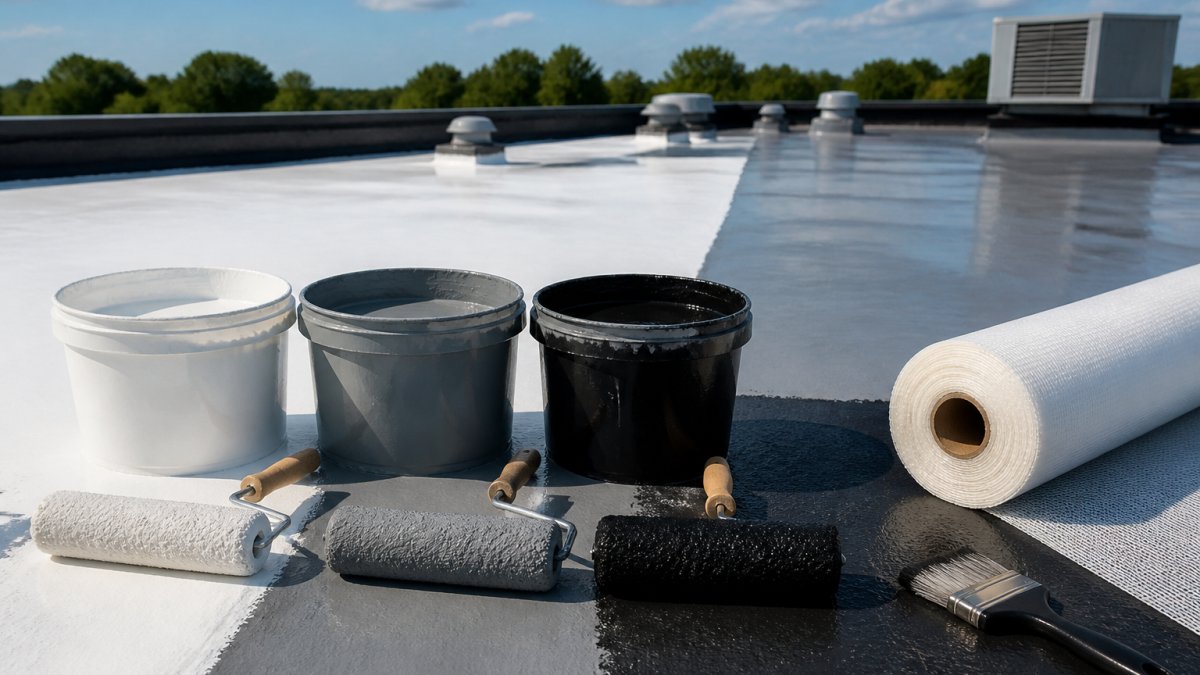
Here is that comparison. The ratings are relative within this group of liquid-applied products, not absolute laboratory values, because actual performance depends on dry-film thickness, surface preparation, and substrate.
| Coating Type | Ponding-Water Tolerance | Initial Solar Reflectance | Elongation / Flexibility | Adhesion Notes | Typical Service Life | Foot-Traffic Durability | Relative Installed Cost |
|---|---|---|---|---|---|---|---|
| Acrylic | Poor, re-emulsifies when submerged | High (white grades) | Moderate | Good on sound, clean substrates; primer often needed on metal and single-ply | Shortest of the group | Light | Lowest |
| Silicone | Excellent, does not soften when submerged | High (white grades) | High | Good on many substrates but requires compatible primer; cannot be top-coated with most other chemistries | Long | Light, slippery when wet | Mid-to-high |
| Polyurethane | Good | Low unless top-coated | Moderate to high depending on grade | Strong on prepared substrates; aromatic grades need a UV-stable topcoat | Long | Heavy | High |
| Elastomeric (acrylic or rubber-based) | Varies by chemistry | Varies | High, the defining property | Varies; adhesion testing matters over seams and patches | Mid | Moderate | Mid |
| Bitumen-based | Moderate | Low, dark surface | Low to moderate | Excellent compatibility with asphalt and modified-bitumen membranes | Mid | Light | Low-to-mid |
How to read the criteria
- Ponding-water tolerance. This is the single most common reason a coating fails early. Acrylic softens and re-emulsifies under standing water; silicone does not. If the roof holds water for more than 48 hours after rain, treat ponding tolerance as a pass/fail criterion, not a preference.
- Solar reflectance. White acrylic and white silicone start with high reflectance. Polyurethane and bitumen systems are dark unless a reflective topcoat is added. Reflectance is not insulation, it lowers surface temperature and can reduce cooling load, but it does not add R-value.
- Elongation. The ability to stretch and recover over cracks, seams, and moving substrate. A coating with low elongation will crack along the same line the membrane cracks along.
- Adhesion. The criterion most often skipped in bids. Adhesion depends on substrate, cleanliness, moisture content, and primer. A coating with excellent lab adhesion still fails if applied over a contaminated or damp surface.
- Service life. Relative, not guaranteed. Dry-film thickness, number of coats, maintenance, and climate move the number more than the product family does.
Where the comparison breaks down
No table replaces a roof inspection. Two roofs with the same membrane and the same square footage can need different coatings because one drains and the other ponds, or because one has a saturated section that must be cut out before any coating goes down. The comparison above is the starting filter, not the final specification.
Commercial Roof Coating Cost: What Drives the Price
Commercial roof coating cost depends on far more than the price per gallon, and the per-gallon number is the least useful figure in the bid. What a commercial owner actually needs is the installed cost per square foot and the lifecycle cost over the coating's service life. Most published comparisons skip both.
Installed cost ranges
Installed cost for a liquid-applied coating system typically falls in a broad range driven by coating chemistry, surface preparation, and access.
Those ranges are wide on purpose. A bid at the low end of the range and a bid at the high end are usually not the same scope, and comparing them without reading the scope is how owners get surprised.
What moves the number most
- Roof size and access. Height, parapets, equipment layout, and staging area all add labor. A roof with heavy mechanical congestion costs more per square foot than an open deck.
- Surface preparation. Cleaning, patching, seam reinforcement, and priming are non-negotiable steps that take time. Prep is often the largest single line item and the one most often understated in a low bid.
- Coating type. Silicone and polyurethane cost more per unit than acrylic, and multi-coat systems cost more than single-coat systems.
- Number of coats and dry-film thickness. Thicker systems cost more up front and last longer. Thin applications are the most common cause of early failure.
- Ponding and drainage corrections. Fixing low spots, adding drains, or installing tapered insulation before coating prevents callbacks and adds cost.
- Warranty terms. Longer warranty coverage generally carries a higher price and stricter application requirements.
- Moisture remediation. If the survey finds saturated insulation or a wet deck, that material must be removed and replaced before coating. This is the line item that turns a coating project into a repair project.
Lifecycle cost, not first cost
The number that matters is cost per year of service, not cost on day one. A cheaper acrylic coating that needs recoating sooner can cost more over a decade than a silicone system applied once at the correct thickness. The comparison only works if you use realistic service-life assumptions for your climate and maintenance schedule, and if you include the cost of inspections and touch-ups between recoats.
A practical way to frame it for a property budget:
- Get the installed cost per square foot for each viable system.
- Divide by the expected service life in years to get an annualized cost.
- Add expected maintenance and recoat costs over the same period.
- Compare that annualized figure to the annualized cost of replacement.
We quote every job after an inspection, because a phone estimate on a flat roof is a guess. The inspection is what separates a real number from a placeholder.
Commercial Roof Coating Lifespan and Recoating Schedule
Commercial roof coating lifespan varies by product and exposure. Acrylic systems generally have the shortest service life, silicone and polyurethane the longest, with elastomeric and bitumen products falling in between.
Recoating is not a failure. It is scheduled maintenance, like repainting a house. The practical approach:
- Inspect the roof at least twice a year and after major storms.
- Wash off dirt and debris so the surface stays reflective.
- Recoat before the coating wears through to the membrane, not after.
- Keep a log of application dates, products, and dry-film thickness.
A coating that is maintained on schedule protects the roof membrane underneath and pushes replacement further out. A coating left alone until it fails protects nothing.
Best Roof Coating for Ponding Water
Silicone is the best roof coating for ponding water. It cures into a seamless, water-impervious membrane that does not soften or re-emulsify when submerged, and it stays flexible through thermal movement.
That said, coating over ponding water treats the symptom, not the cause. Standing water stresses the roof membrane and adds weight.
Acrylic is the wrong choice here, full stop. It will look good for a season and then break down where water sits.
The Commercial Roof Coating Application Process
Application follows a fixed sequence, and skipping steps is how coatings fail early.
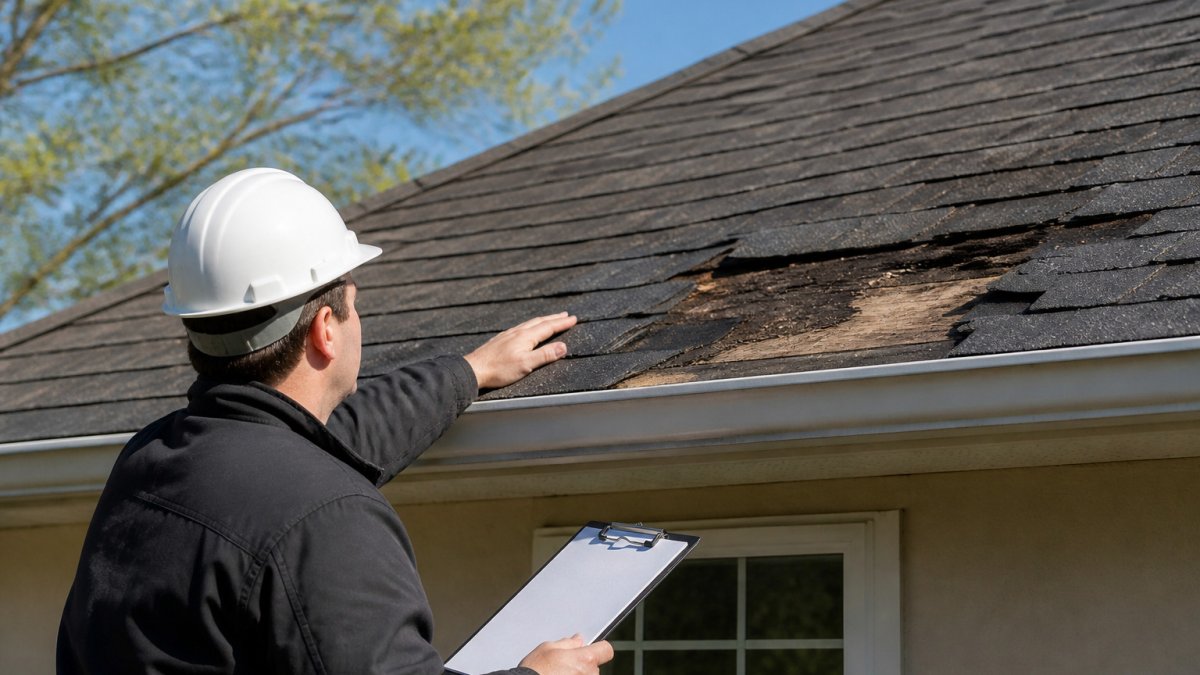
- Inspection. Confirm the membrane is sound, find moisture intrusion, and check adhesion.
- Surface preparation. Clean the roof, remove debris, and repair cracks, punctures, and seams.
- Priming. Apply the primer specified for your substrate, whether EPDM, TPO, metal, or modified bitumen.
- Patching and reinforcement. Treat seams and penetrations with reinforcement fabric.
- Application. Apply the coating by spray or roller in the specified number of coats, at the specified coverage rate.
- Cure and inspect. Let the coating cure fully, then inspect for thin spots and missed areas.
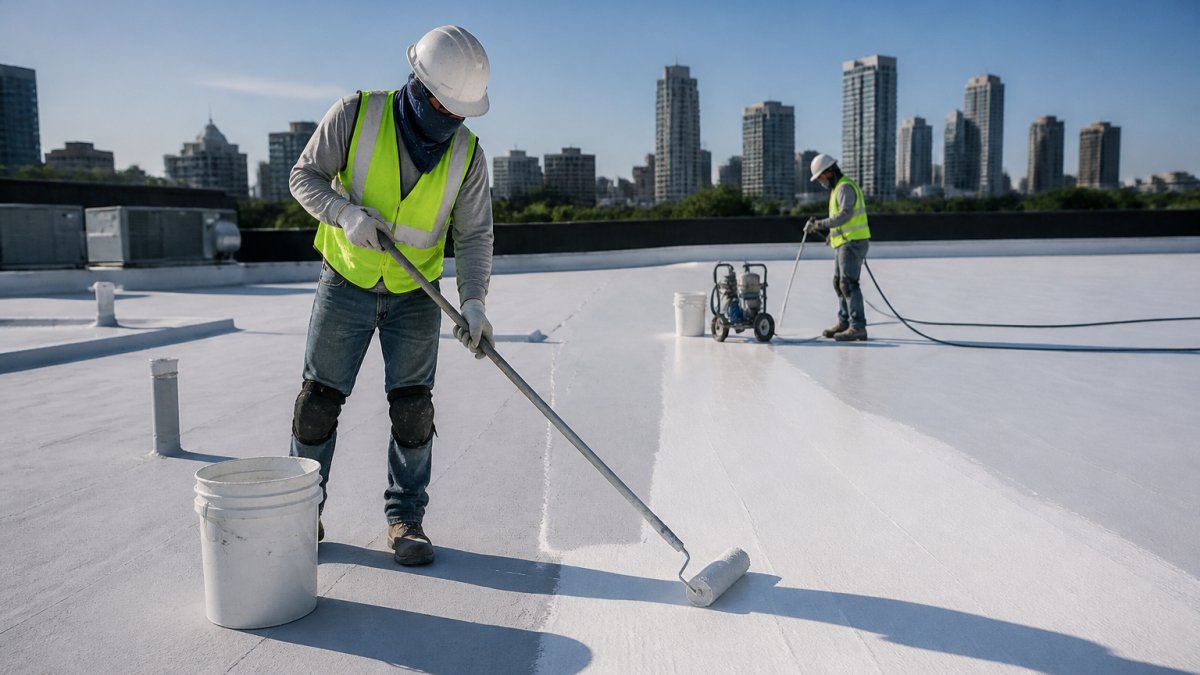
Substrate compatibility is where most do-it-yourself attempts go wrong. The Cool Roof Rating Council's product ratings are a useful starting point for comparing solar reflectance across products, but the manufacturer's compatibility chart decides what goes on your roof.
Coating vs. Repair vs. Replacement: How to Decide
Coating is the right call when the roof membrane is sound and the problem is surface weathering. Repair is the right call when damage is isolated. Replacement is the right call when the membrane is saturated, the deck is compromised, or the roof is at the end of its service life.
A simple decision framework:
- Membrane sound, surface aging? Coat it.
- Isolated cracks, punctures, or seam failures? Repair, then coat.
- Widespread moisture intrusion, soft deck, or repeated leaks? Replace.
The mistake we see most often is coating a roof that already has trapped moisture. The coating seals the water in, and the deck rots underneath. A moisture survey before coating is not optional on older roofs.
Conclusion
Choosing among commercial roof coating options for flat roofs comes down to matching the coating to your roof's real conditions: drainage, traffic, substrate, and the state of the membrane underneath.
If you manage a commercial property and want a straight answer on whether your flat roof should be coated, repaired, or replaced, our team at Certified Roofing Solutions Inc. can inspect it, document the findings, and give you a written scope with no surprise costs.
Frequently Asked Questions
What's the best coating for a commercial flat roof?
There is no single best coating for every flat roof. Silicone performs best on roofs with ponding water and high UV exposure because it resists standing water without breaking down. Acrylic suits dry climates and tight budgets but should not sit in standing water. Polyurethane handles foot traffic and mechanical wear. The right roof coating options depend on your existing membrane, drainage, and climate, so an inspection should come before any product choice.
Can you apply a roof coating over an existing commercial roof?
Yes, in many cases a liquid-applied membrane can go directly over an existing roofing system such as EPDM, TPO, modified bitumen, or metal. The catch is surface preparation: the roof must be clean, dry, and free of loose material, and any punctures or seam failures need repair first. Adhesion testing on a small section confirms the coating will bond. A contractor should verify compatibility with your specific membrane before quoting the job.
How long does a commercial roof coating last?
Commercial roof coating lifespan varies by product and conditions. Acrylic coatings typically need recoating sooner and are more vulnerable to ponding water, while silicone and polyurethane systems generally hold up longer on low-slope roofs. UV exposure, foot traffic, drainage, and surface preparation all affect service life. A maintenance schedule with annual inspections and prompt repair of cracks and punctures is what keeps any coating performing near its expected range.
What's the difference between a roof coating and a roof replacement?
A roof coating is a liquid-applied layer that seals and protects an existing roofing system that is still structurally sound, restoring waterproofing and reflectivity at a fraction of replacement cost. Replacement means tearing off the old membrane and installing a new one, which makes sense when the substrate is saturated, deteriorated, or at the end of its service life. An inspection determines which path fits, and coating over a failing roof only delays the inevitable.