 Comparison
Is a Temporary Roof Repair Enough for Your Home?
Last Updated: November 3, 2026
Quick Summary
A temporary roof repair is enough only to stop water entering your home while a proper fix is arranged. It buys time but does not fix the underlying defect, so a permanent repair is still needed.
- Temporary fixes like tarps, patches, tape and sealant stop active leaks but do not correct the root cause.
- A roof patch is a short-term measure, and a properly secured tarp may degrade over weeks to a few months.
- Schedule a permanent assessment rather than assuming a holding patch is a long-term solution.
- Do not climb a roof in wet, icy or windy conditions, or attempt steep-slope work without fall protection.
- Document damage with dated photos and keep temporary-repair receipts to support any insurance claim.
Table of Contents
- What Temporary and Permanent Roof Repairs Actually Are
- Common Causes of Roof Leaks and Damage That Drive the Decision
- Temporary Roof Leak Repair: Tarps, Patches, Tape and Sealant
- Risks, Limitations and Safety Boundaries of Temporary Fixes
- Repair Costs, Insurance Claims and Expected Lifespan Compared
- Roof Repair vs. Replacement: A Decision Framework
- Booking a Permanent Repair Assessment With Certified Roofing Solutions Inc.
- Frequently Asked Questions
What Temporary and Permanent Roof Repairs Actually Are
A temporary roof repair is a short-term fix that stops water from entering your home while a proper solution is arranged. A permanent roof repair replaces or restores the damaged materials so the roof can perform as designed for years. Many homeowners in Marietta and Alpharetta treat these as interchangeable, and that assumption is where most problems start.
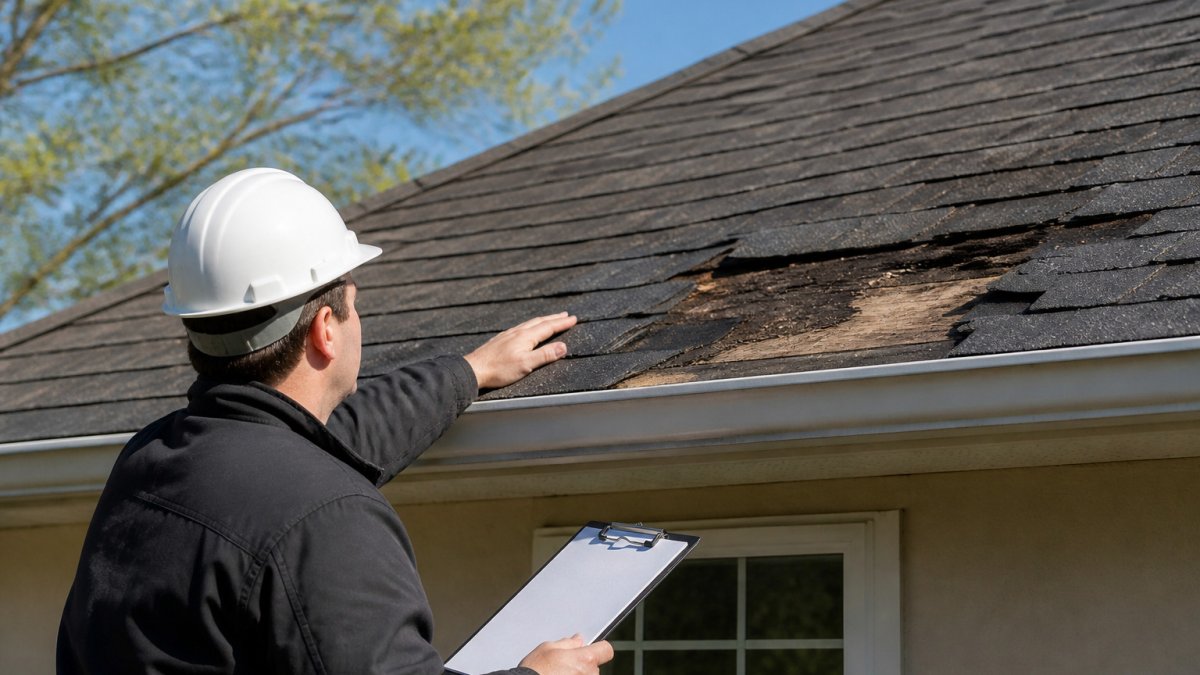
Temporary work typically means tarping, patching a small area, or sealing a crack with roofing tape or cement. It buys time. Permanent work addresses the underlying defect, whether that is a failed flashing detail, a run of missing shingles, or a deteriorated underlayment. A common pattern is that the leak is stopped, the cause is never found, and the damage returns through the same opening.
The distinction matters because the two options solve different problems. One protects the interior right now. The other restores the roof's ability to shed water over the long term.
Common Causes of Roof Leaks and Damage That Drive the Decision
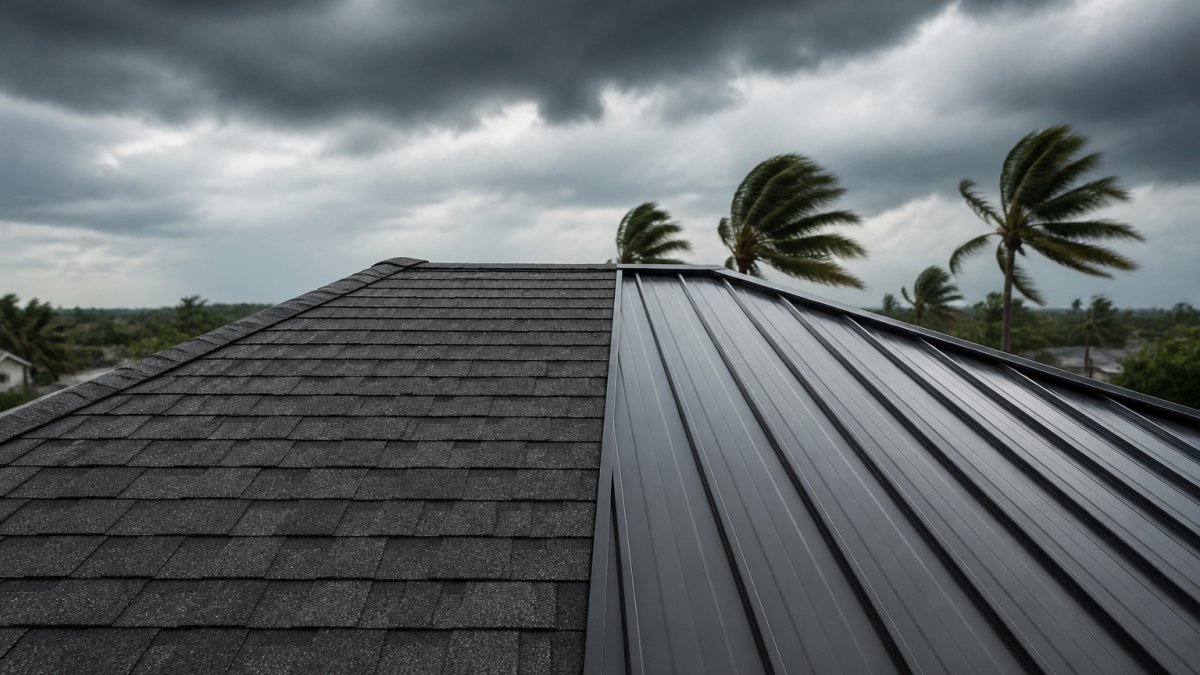
Roof leaks usually have a small number of root causes. Storm damage is the most common trigger in our service area, particularly wind that lifts or tears shingles and hail that bruises or cracks them. Aging is the second driver. Curling, cracking, and granule loss weaken the shingle's ability to repel water over time.
Flashing failures are less visible but cause a large share of leaks around chimneys, vents, and valleys. Sealant around these penetrations breaks down, and water finds its way beneath the surface. Clogged gutters and ponding water add pressure in the wrong places.
Identifying the cause determines the repair path. A single cracked shingle after a storm can often be handled temporarily and then made permanent with a straightforward replacement. Widespread deterioration, by contrast, rarely responds well to patching.
Temporary Roof Leak Repair: Tarps, Patches, Tape and Sealant
When water is actively entering your home, a temporary roof leak repair can prevent interior water damage, mold growth, and further structural harm. The most common methods are tarping, patching with a compatible material, and applying roofing tape or sealant to small openings. Each has a specific use, and the right choice depends on the roof covering, the size of the opening, and how long you need the fix to hold.
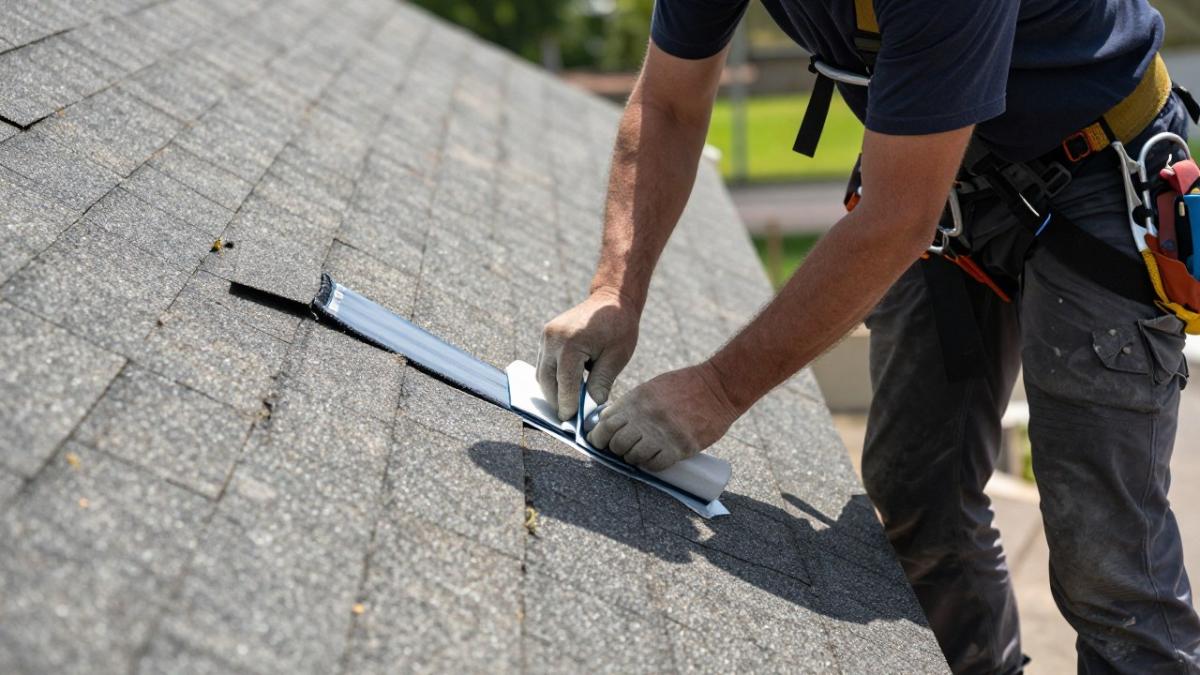
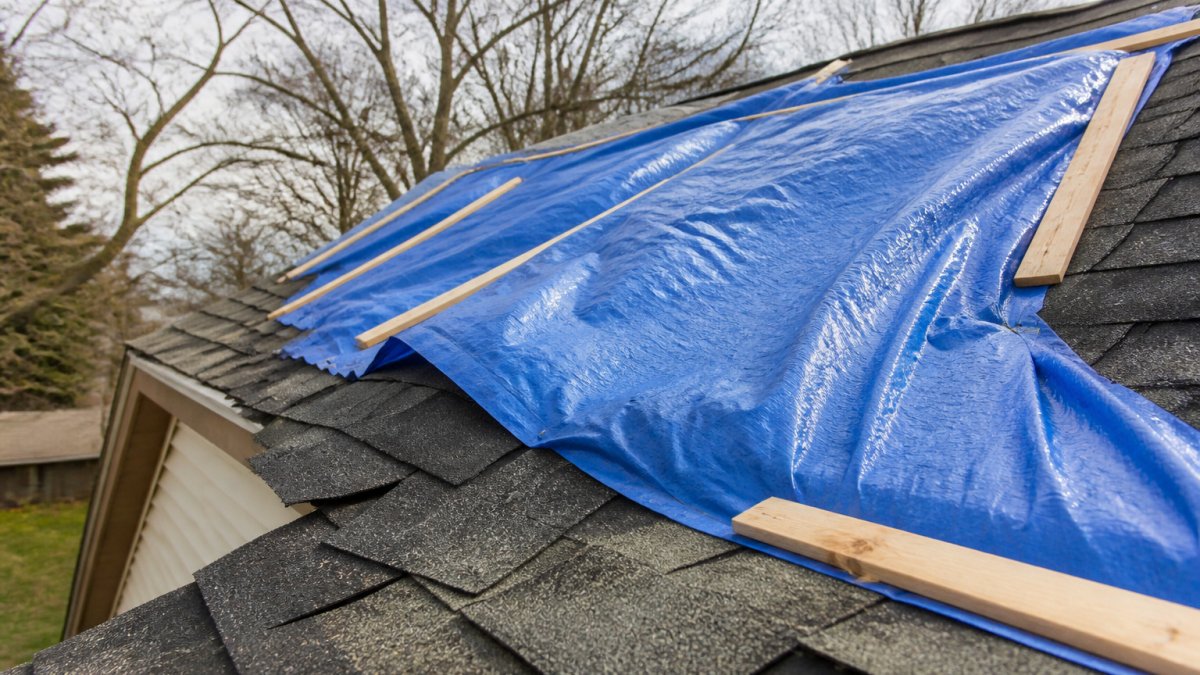
Tarping covers a larger damaged area and is useful after storm damage when the roof has lost multiple shingles. A tarp must be secured properly to avoid wind lift, which can make the damage worse. Patches suit localized holes or cracks. Roofing tape works on seams and small splits, while roofing cement fills gaps around flashing.
Matching the Temporary Fix to the Roof and the Damage
A single method does not fit every roof. The table below pairs common roof coverings and damage patterns with the temporary measure most practitioners reach for first, and notes where that measure tends to fall short.
| Roof type or damage | Suitable temporary measure | Where it tends to fail |
|---|---|---|
| Asphalt shingles, a few lifted or missing tabs | Tarp over the affected slope, or a shingle patch bedded in roofing cement | Wind lift at the tarp edges; cement cracking as it cures |
| Asphalt shingles, granule loss and curling across a slope | Tarp only; patching individual tabs is not worth the labor | The whole slope is near end of life, so the patch has nothing sound to bond to |
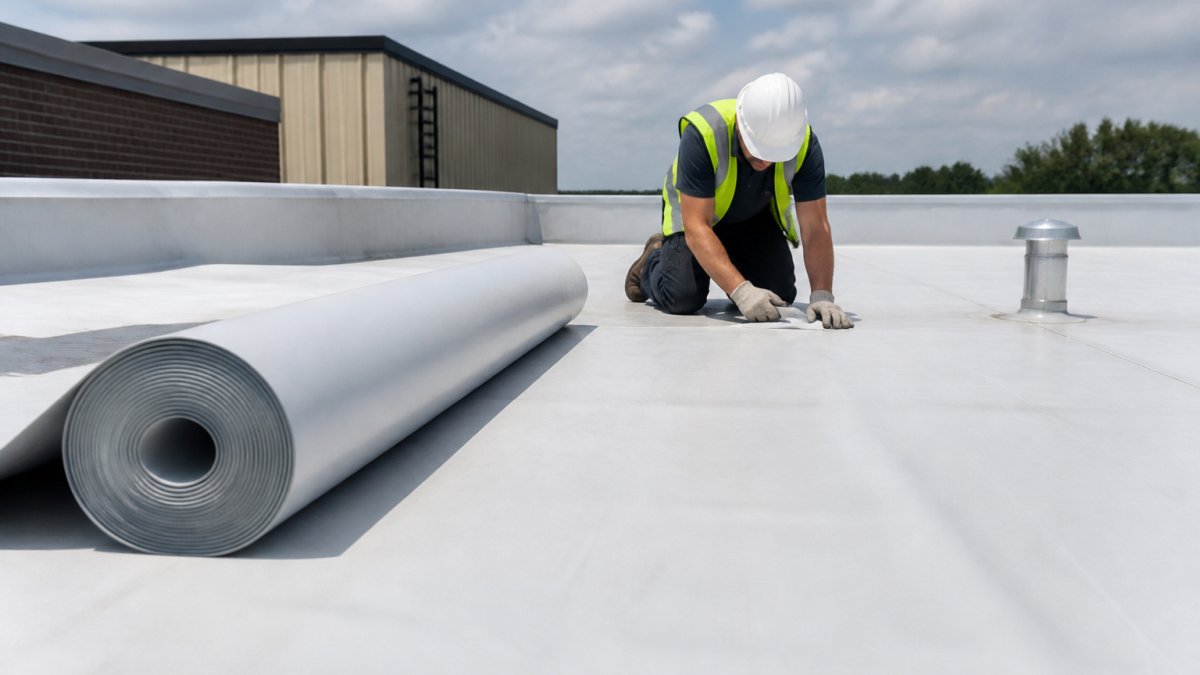
| Flat or low-slope roof, ponding at a seam | Reinforced roofing tape or a compatible lap patch | Standing water works under the lap; tape lifts at the edge |
| Flat roof, blister or split in the membrane | Patch with membrane-compatible material and weight it | Patch edges curl without a primer or termination |
| Flashing at a chimney, vent, or valley | Roofing cement packed into the gap as a stopgap | Cement shrinks and pulls away from metal within a season |
| Storm-driven missing shingles over a wide area | Full tarp secured to the deck, not just to shingles | Tarp tied to shingles tears free in the next gust |
Two rules cut across every row. First, the temporary material has to be compatible with the roof covering; roofing cement that is fine on asphalt can soften some single-ply membranes, and tape made for shingles will not bond to a metal panel. Second, a temporary fix works best when it is installed dry. Applying tape or cement over wet shingles or debris reduces adhesion and can trap moisture against the deck.
How Long a Roof Patch Lasts
A roof patch is a short-term measure, and its lifespan depends heavily on the material, the weather, and how well it was installed. A patch that holds through a single season is a reasonable outcome. Patches are not designed to carry a roof through several years of exposure, and many homeowners who rely on them for longer find the leak returns in a different spot.
As a general guide, a properly secured tarp can degrade in wind and sun over weeks to a few months, and a taped or cemented seam may last through one wet season at best. Neither is a warranty; both are reasons to schedule a permanent assessment.
If a patch is holding, schedule a permanent assessment rather than assuming it is a long-term solution. The longer a temporary fix stays in place, the more likely the deck beneath it is quietly taking on water.
Using Roofing Sealant for Leaks Safely
Roofing sealant can stop a small leak quickly, but it works best on clean, dry surfaces and compatible materials. Applying it over wet shingles or debris reduces adhesion and can trap moisture. Use sealant to stop active water entry, not to cover structural problems.
Sealant is also not a substitute for flashing repair.
Roofing work carries real fall risk. Do not climb onto a roof in wet, icy, or windy conditions, and do not attempt steep-slope work without proper fall protection.
Watch out: a tarp that is tied to shingles rather than anchored to the deck can tear free in the next gust and take shingles with it, turning a small leak into a wide one.
Risks, Limitations and Safety Boundaries of Temporary Fixes
Temporary repairs carry trade-offs that homeowners should understand before relying on them. The biggest is that a fix can hide a worsening problem. A stained ceiling may stop dripping while the underlying deck continues to rot. By the time the leak returns, the repair scope may have grown.
Temporary fixes also fail under load. Heavy rain, wind gusts, and freeze-thaw cycles all test a patch differently. A repair that looks secure in calm weather can loosen within days of a storm.
Know your limits. Work that involves steep pitches, multiple damaged areas, or any question about the roof structure should go to a professional. Attempting it yourself raises the risk of injury and of causing damage that is more expensive to fix than the original leak.
Repair Costs, Insurance Claims and Expected Lifespan Compared
Cost-effectiveness depends on what you are comparing. A temporary repair has a low upfront cost, but it does not eliminate the need for permanent work.
What you can compare before the estimate arrives is the shape of the cost.
Insurance adds another layer. Document the damage with dated photographs before any work begins, keep receipts for temporary measures, and report the claim promptly. Follow practical steps for documenting roof damage so your claim is well supported.
The claim mechanics matter as much as the coverage. Most carriers distinguish between sudden, accidental damage, which is commonly covered, and damage from deferred maintenance or normal wear, which commonly is not.
Expected lifespan also differs. A patch may last one season. A properly executed permanent repair can extend a roof's useful life for many years, while replacement resets the clock entirely.
That is where the decision timeline comes in. A temporary fix is a bridge, and the bridge has a far end. If the permanent repair is weeks away, a tarp and a patch are the right call.
Roof Repair vs. Replacement: A Decision Framework
Use these questions to decide between repair and replacement:
- Is the damage localized or widespread? A few damaged shingles usually point to repair. Damage across large sections points to replacement.
- How old is the roof? A newer roof with a single defect is a strong repair candidate. An older roof with curling, granule loss, and multiple leaks often justifies replacement.
- Is the decking sound? Soft or rotted decking means the repair scope is larger than the visible damage.
- How many repairs has the roof already needed? Repeated leaks in different areas suggest a systemic problem.
- What does the insurance claim cover? Storm damage may shift the economics toward a larger job.
If the roof is near the end of its expected life and the damage is spreading, replacement often makes more financial sense than a series of repairs. Compare the signs that point to each option in more depth.
Booking a Permanent Repair Assessment With Certified Roofing Solutions Inc.
If you have a temporary fix in place, the next step is a permanent repair assessment. Our team inspects the roof, identifies the root cause, and recommends whether repair or replacement fits your situation. We will explain the options, provide a written estimate, and help you document damage for insurance if needed.
Homeowners and property managers across Marietta, Alpharetta, Dunwoody, and Johns Creek rely on us for residential and commercial roofing. Book an appointment today to schedule your inspection. If the roof is actively leaking right now, review our emergency steps while you wait for the crew.
Frequently Asked Questions
What is the best way to temporarily patch a roof?
For an active leak, start by locating the source from the attic or ceiling stain, then cover the area with a tarp or apply a patch and roofing sealant over the damaged shingles or flashing. Clean and dry the surface first, because sealant will not bond to wet or dusty material. Use a tarp secured with sandbags or battens for larger openings. Temporary measures buy time to stop water entry, but they should be followed by a professional assessment so the underlying cause, such as missing shingles or failed flashing, can be repaired permanently.
How long does a temporary roof fix last?
A temporary roof fix typically lasts from a few weeks to several months, depending on the material used, the weather and how severe the damage is. Tarps can fail in high wind, and patches or tape can lose adhesion as temperatures swing. Roofing sealant applied correctly to a clean, dry surface can hold longer, but none of these methods restores the roof's original integrity. Plan on a permanent repair soon after the temporary fix is in place to avoid further interior water damage.
When should a temporary roof repair be replaced with a permanent repair?
Replace a temporary repair with a permanent one as soon as weather allows, ideally within weeks rather than months. Signs that the temporary fix is failing include new staining on ceilings, dripping after rain, curling or cracked patch material, and visible movement of tarps. A roofer should also check for storm damage to flashing, decking or underlayment that a patch cannot address. Scheduling the permanent work promptly limits further property damage and keeps insurance documentation clean.
Will Flex Seal stop a leaking roof?
Consumer sealants can slow a small leak on a clean, dry surface, but they are not a reliable permanent solution for a roof. Performance depends on the roofing material, the size and cause of the leak, and how well the product bonds to the surface. Sealant cannot correct failed flashing, rotted decking or missing shingles. Use it only as a short-term measure, and have a professional inspect the area to confirm the cause and recommend a durable repair.