 Comparison
When Should You Repair or Replace Your Roof?
Last Updated: November 1, 2026
Quick Summary
Repair the roof when damage is confined to one small area and the rest of the system is sound, and replace it when damage is widespread or recurring. Age matters too: a roof over 20 years old that needs repeated repairs usually makes replacement the better repair or replace roof decision.
- Compare cost per remaining year of roof life, not the upfront price of each option.
- A repair costing more than about one-third of a replacement, on a roof past its midpoint, usually favors replacement.
- Look for curling, cupping or cracked shingles, granule loss, and leaks that return in different places.
- Soft or spongy decking means moisture damage that a patch will not fix.
- Get itemized repair and replacement estimates, and check insurance and warranty terms before committing.
Table of Contents
- Repair or Replace Your Roof: Why the Decision Matters
- How Long Does a Roof Last?
- Signs a Roof Can Be Repaired
- Signs You Need a New Roof
- Roof Repair vs. Replacement Cost: A Side-by-Side Look
- Roof Inspection Checklist Before You Decide
- Booking a Roof Assessment With Certified Roofing Solutions Inc.
- Frequently Asked Questions
Deciding whether to repair or replace roof damage is one of the bigger calls a homeowner faces, and the wrong answer can cost thousands. The real question is whether the damage is localized and the roof still has useful life, or whether the damage is widespread and the roof is near the end of its service life. Compare repair and replacement options for your home to see which path fits your situation.
Repair or Replace Your Roof: Why the Decision Matters
A roof repair is a targeted fix, such as replacing a cracked pipe boot or a section of missing shingles. A replacement strips the old system down and installs a new one, which is a much larger project with a much larger bill. Many homeowners lean toward repair simply because it costs less upfront, but when weighing repair or replace roof options, a repair that buys only one more season is not always the cheaper path.
How Long Does a Roof Last?
Roof lifespan depends heavily on the material, climate exposure and how well the roof has been maintained. Roof lifespan varies by material, climate and maintenance, and an inspection is the best way to assess the remaining life of your specific roof. Roof age is the first number to check, but it is not the final answer. A 22-year-old roof in good condition may have years of life left, while a 14-year-old roof that has already weathered several storms may be failing.
Signs a Roof Can Be Repaired
A roof is usually a good candidate for repair when the damage is confined to a small area and the rest of the system is sound. Typical examples include a handful of missing or lifted shingles after a windstorm, a single failed flashing around a vent or chimney, or one isolated leak traced to a specific spot. A useful test is to ask whether the problem has a clear cause that can be fixed in one visit.
Signs You Need a New Roof
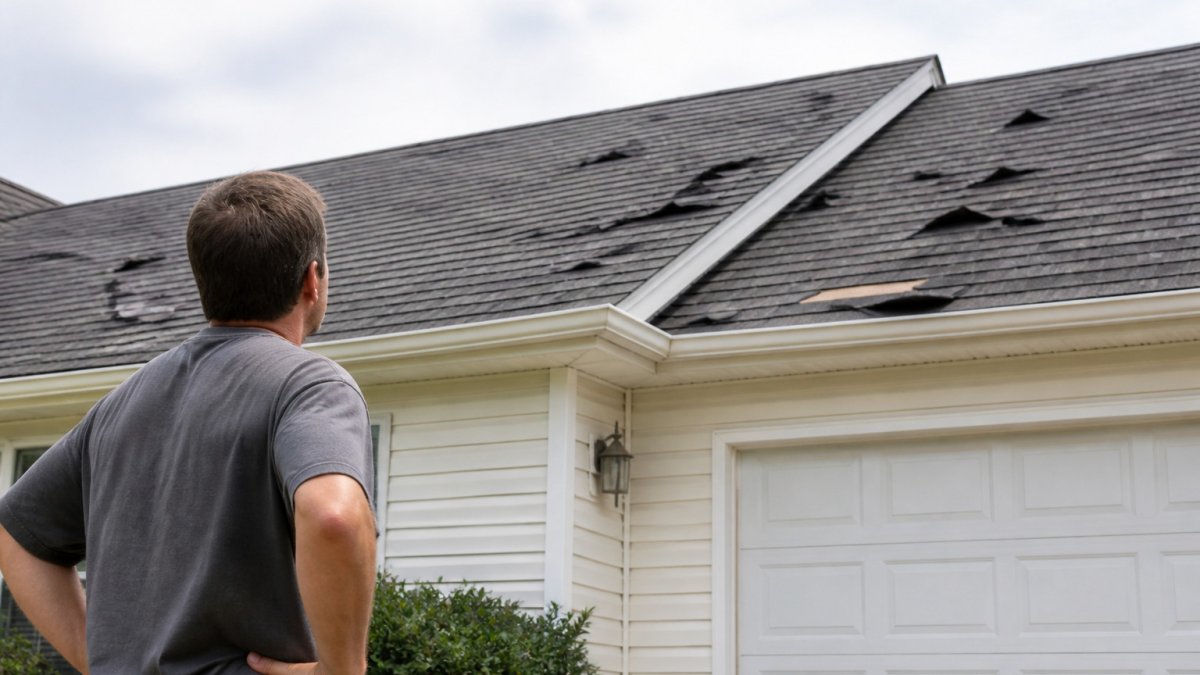
Some warning signs point toward replacement rather than another patch. Look for curling, cupping or cracking shingles across a large portion of the roof, granule loss that leaves the asphalt exposed, and recurring leaks that show up in different places. Water stains on interior ceilings that keep returning after repairs also suggest the problem is systemic. Review the top signs it's time to replace your roof for a complete checklist of warning signals.
Roof Repair vs. Replacement Cost: A Side-by-Side Look
Cost is usually the deciding factor, but the useful comparison is not the sticker price of a repair versus a replacement, it is cost per remaining year of roof life. A Here is how to build that comparison.
What drives the estimate
Every roofing estimate is a stack of variables. Ask the contractor to break out each one so you can compare bids line by line:
- Roof size and pitch. Steep pitches require more labor, staging and safety equipment. A simple gable is cheaper to work on than a complex hip with multiple valleys.
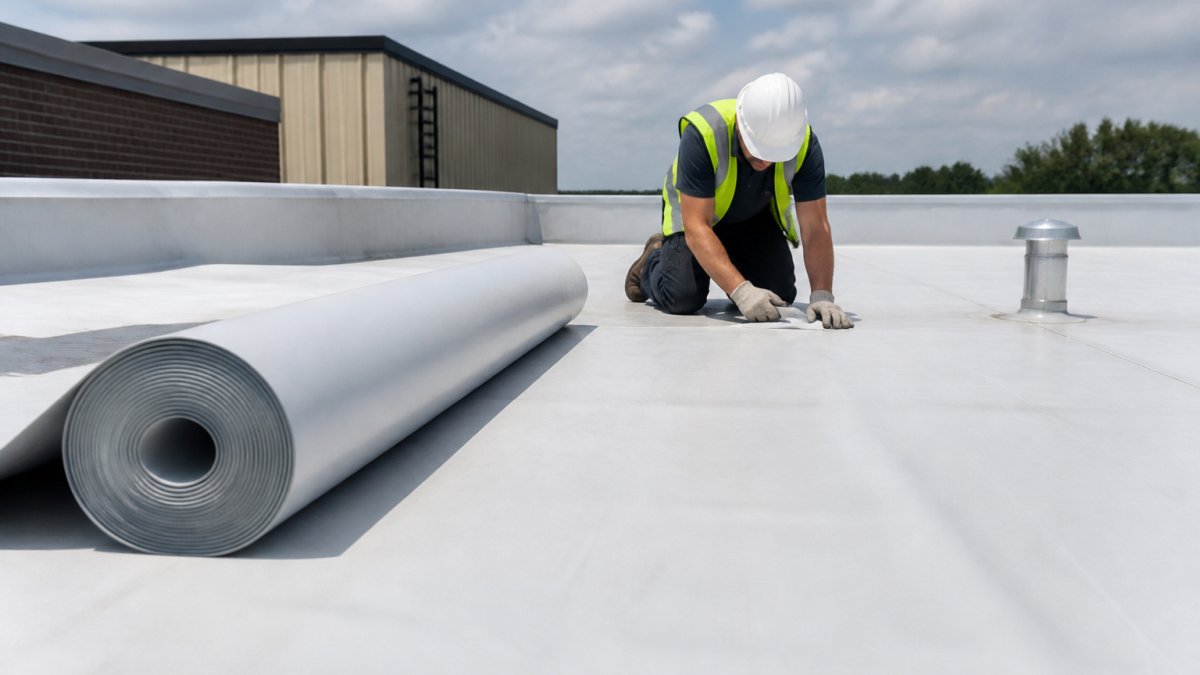
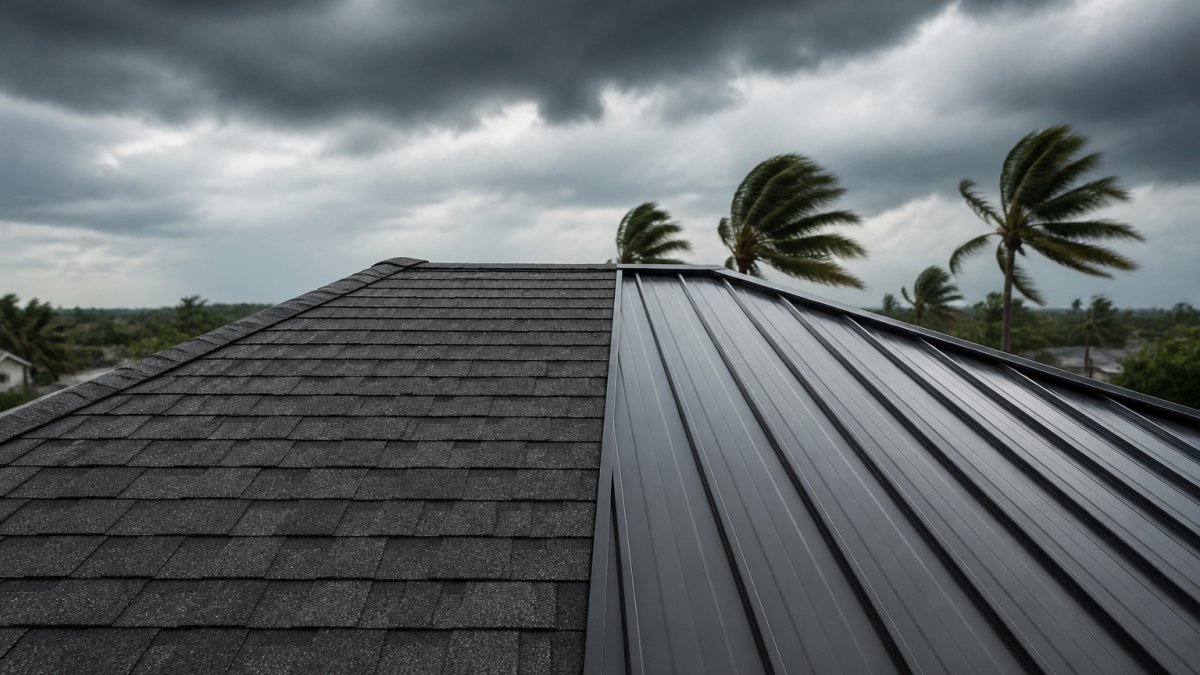
- Material. Asphalt shingles are the lowest-cost common option; metal, tile and synthetic systems carry higher material and installation costs but longer service lives. See a concrete breakdown of asphalt shingle roof replacement pricing to compare against your estimates.
- Layers. Tear-off of existing layers adds disposal and labor. A replacement that goes over an existing layer is cheaper upfront but often voids manufacturer warranties and traps moisture.
- Decking condition. Soft or rotted decking must be replaced at an added per-sheet cost; this is frequently discovered only after tear-off begins.
- Access and height. Multi-story homes, tight lots and landscaping protection add labor.
- Extent of damage. A single pipe boot is a small job; a repair spanning multiple penetrations or a valley is not.
A practical comparison model
Because pricing depends on the condition of your roof, use this framework with the written estimates you collect:
- Get the repair number. Ask for a fixed-price repair estimate that specifies exactly what is being replaced and what is not.
- Get the replacement number. Ask for a full replacement estimate including tear-off, underlayment, flashing, decking allowance and disposal.
- Estimate remaining life. Combine roof age with the material's expected service life (asphalt shingles commonly 15-30 years; metal and tile longer) and the inspector's condition rating.
- Do the math. Divide each option's cost by the years of service it buys. The calculation works the same way with your own estimates: divide each option's cost by the years of service it buys, and compare the results.
The hidden costs of patching an aging roof
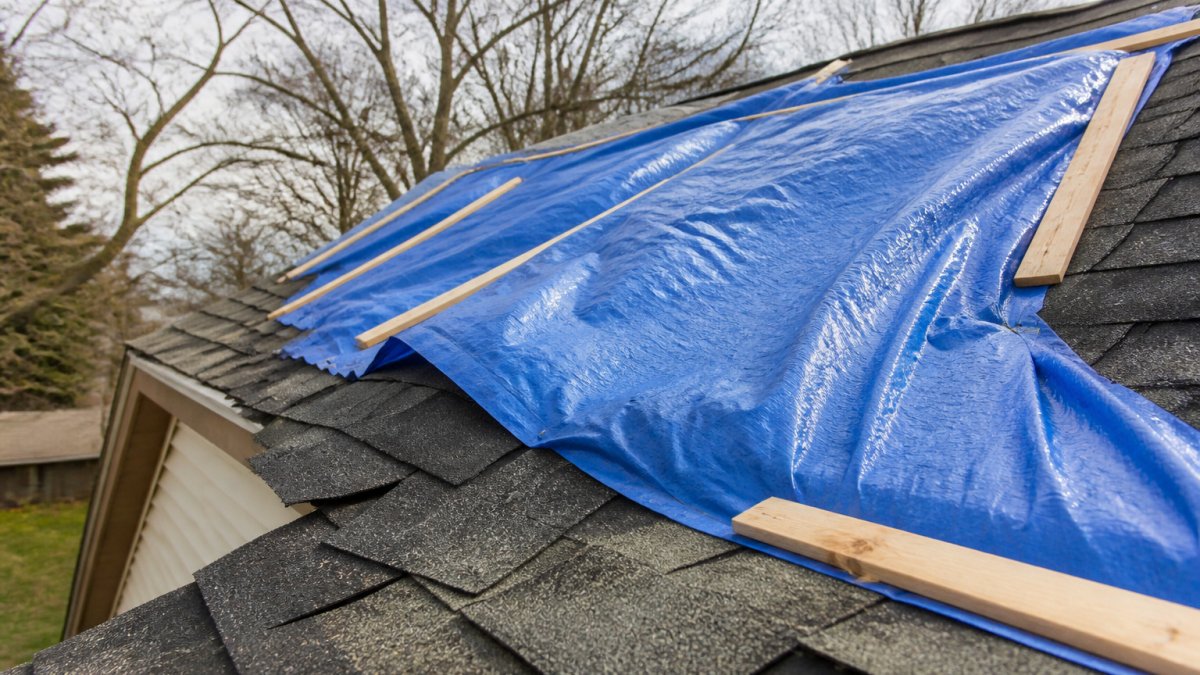
Repeated repairs carry costs that never appear on a single invoice: the second and third service calls, the interior damage from a leak that returns between visits, and the premium you may pay for emergency tarping after a storm. If you have called for repairs twice in the past two seasons, add those invoices together before comparing against a replacement quote, the gap is often smaller than it looks.
Insurance, warranties and financing
Storm damage may be covered by a homeowners policy, but coverage depends on the cause of loss, your deductible and the policy terms; age-related wear and tear is generally excluded. Document damage promptly with photos and a written inspection report, and confirm with your insurer before authorizing work. Manufacturer warranties on shingles are often prorated and may require professional installation and registration, check the paperwork before deciding, because a repair that uses mismatched or improperly installed materials can void coverage on the surrounding roof.
Roofing cost guidance and material lifespan data
Roof Inspection Checklist Before You Decide
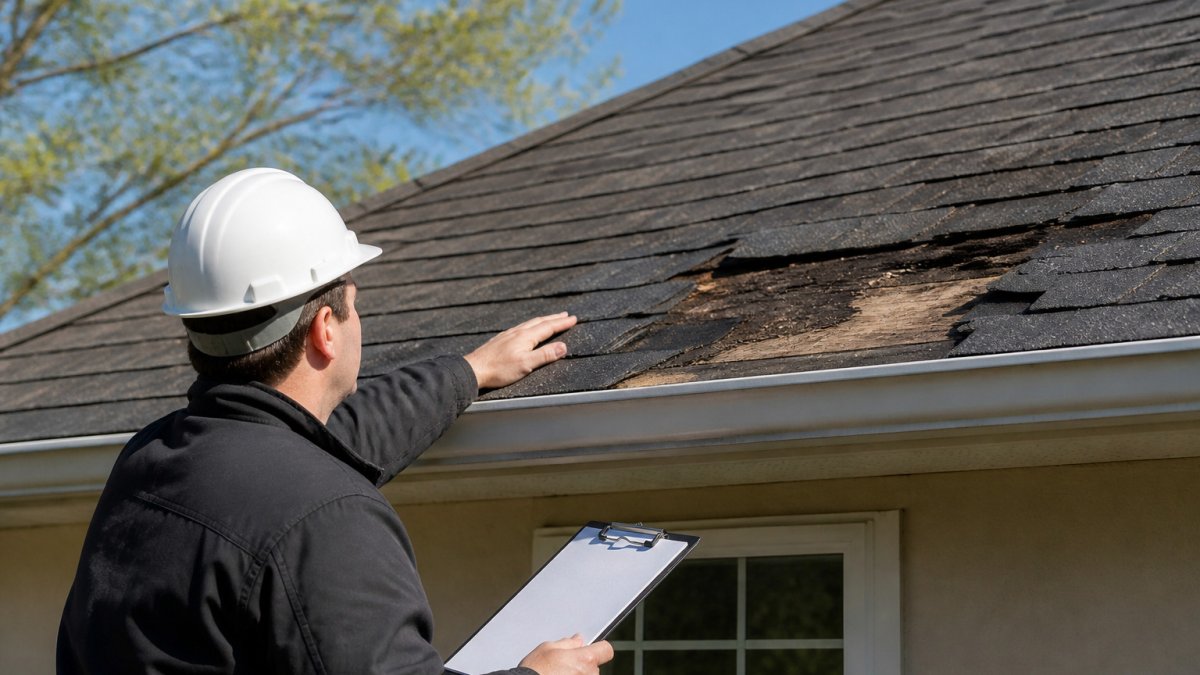
An inspection is only useful if you know what to do with the findings. Learn how regular roof inspections catch problems early and save money in the long run before you assess your own roof. Use this checklist to gather the facts, then apply the decision framework below to turn those facts into a repair-or-replace call before you sign anything.
What the inspector should check
- Roof age and installation date, from the original permit or disclosure documents if available
- Shingle condition, curling, cupping, cracking, missing tabs and granule loss
- Damage extent, localized to one area or spread across multiple slopes
- Flashing, around chimneys, vents, skylights and valleys; failed flashing is a common leak source
- Attic inspection, water staining, mold, daylight through the deck, and soft or spongy decking
- Underlayment condition, visible only at edges or during repair, but critical to whether a patch will hold
Hidden damage: why a small leak can mean a big problem
A stain on the ceiling rarely tells you the full story. Water travels along decking and framing, so the visible spot may be far from the actual entry point. When an inspector opens up a repair area, watch for these signals that the problem is bigger than it looked:
- Soft or delaminated decking, means moisture has been trapped long enough to rot the wood; a patch will not fix it.
- Cracked or deteriorated underlayment, the waterproofing layer beneath the shingles may be failing even where shingles look intact.
- Rusted or lifted flashing, often the true source of a leak that appears elsewhere.
- Moisture or frost in the attic, points to ventilation failure, which will keep damaging the roof until corrected.
If any of these appear, the repair scope should expand to address them, and if they are widespread, replacement becomes the more honest option.
A decision framework by age and severity
Use this grid to organize what the inspection found:
| Roof age | Localized damage | Widespread damage or recurring leaks |
|---|---|---|
| Under 10 years | Repair, likely a defect or isolated event; check warranty coverage | Investigate cause first; repair if traceable to installation error |
| 10-20 years | Repair if decking and underlayment are sound | Replacement usually wins on cost per year |
| Over 20 years | Repair only if it buys several years and the rest of the roof is sound | Replacement is the default |
This is a starting point, not a substitute for the inspector's condition rating, a well-maintained 22-year-old roof can outperform a neglected 14-year-old one.
Questions to ask the contractor
Before accepting a recommendation, ask:
- What exactly did you find, and can you show me photos?
- Is the damage localized or widespread, and how did you determine that?
- What is the expected remaining life of the roof if I repair it?
- Does the repair address the cause, or only the symptom?
- Will this repair affect my manufacturer warranty?
- What is included in, and excluded from, each estimate?
A contractor who answers these clearly and shows evidence is giving you a recommendation you can trust. One who pushes replacement without documenting the findings, or repair without explaining remaining life, is giving you a sales pitch.
Booking a Roof Assessment With Certified Roofing Solutions Inc.
If you are weighing repair against replacement, a professional assessment is the fastest way to get a clear answer. Certified Roofing Solutions Inc. provides residential and commercial roofing services in Marietta, Alpharetta, Dunwoody and Johns Creek, and our team will walk you through your options for your property. View our commercial roofing repair service page to book your assessment. For current pricing or to schedule an assessment, visit our website or request a quote directly.
Frequently Asked Questions
How do you know when it's time to replace your roof?
Replacement usually makes sense when the roof is near the end of its expected life and when damage is widespread rather than confined to a few spots. Other strong signals include frequent repairs over a short period, granule loss visible in gutters, daylight showing through the decking in the attic, and curling or cracking across much of the surface. A professional inspection can confirm whether the remaining life justifies repairs or a full replacement.
Can a roof be repaired instead of replaced?
Yes, a roof can often be repaired instead of replaced when damage is localized, the decking is sound, and the roof still has a meaningful portion of its expected life left. Common repairs include replacing missing or damaged shingles, resealing flashing around chimneys and vents, and fixing isolated leaks.
Does insurance pay for roof replacement?
Homeowners insurance may cover roof replacement when the damage is caused by a covered peril such as wind, hail, or a fallen tree, and not by normal wear and tear or lack of maintenance. Coverage depends on your policy, your deductible, and whether the policy pays actual cash value or replacement cost. Document the damage with photos, file the claim promptly, and request a written inspection report before signing any contract.
When is roof damage too extensive to repair?
Roof damage is generally too extensive to repair when it affects a large share of the roof, or when the underlayment and roof decking are rotted, delaminated, or water-saturated. Repeated leaks in different areas, sagging rafters, and mold in the attic are also strong signs that repairs will not solve the underlying problem. An on-site assessment is the most reliable way to determine whether localized repairs will hold or whether replacement is the more practical option.