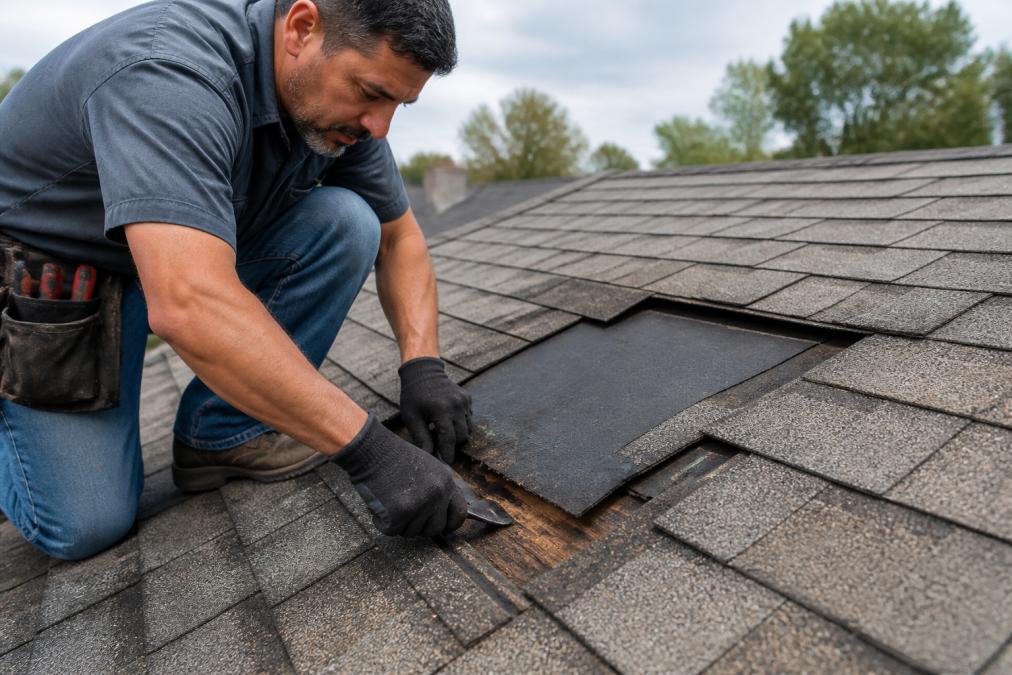
 how-to
Roof Leak Repair: A Step-by-Step Guide
Table of Contents
- Signs of a Leaking Roof
- How to Inspect Your Roof for Damage
- Temporary Leak Fixes Before Professional Help
- Cost of Roof Leak Repair
- Emergency Roof Repair Services
- Insurance Claims and Documentation
- Preventing Future Roof Leaks
- Frequently Asked Questions
Last Updated: August 21, 2026
Signs of a Leaking Roof
A roof leak starts small and silent, becoming expensive only after months of hidden damage. Catching them early prevents structural damage, mold growth, and attic deterioration. At Certified Roofing Solutions Inc., we help homeowners identify these warning signs before they become emergencies.
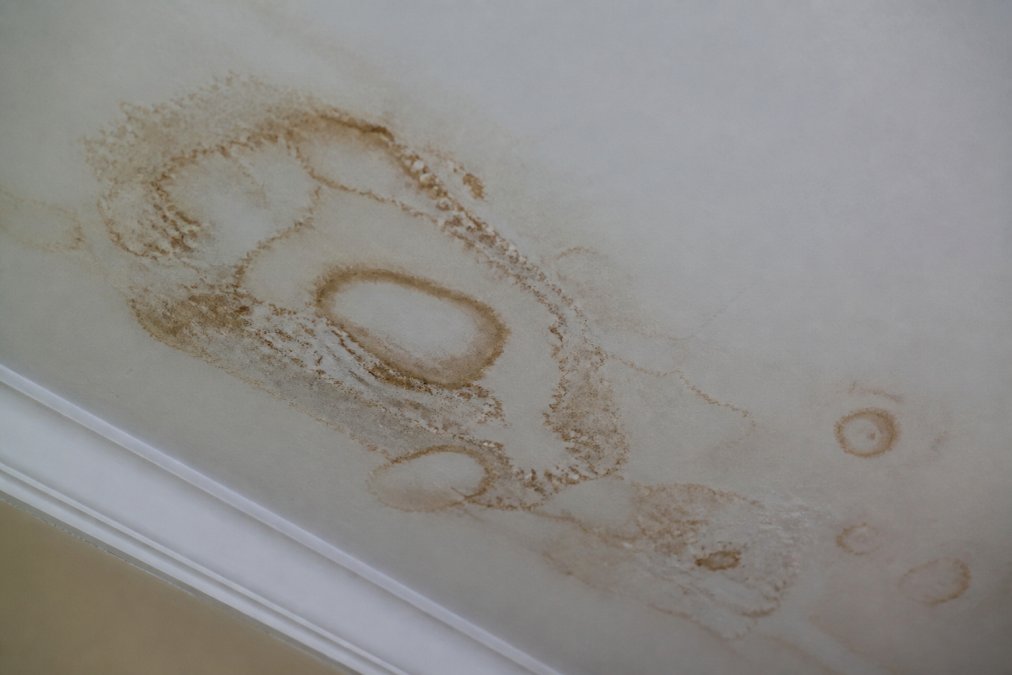
Interior warning signs often appear first. Water stains on ceilings or upper-floor walls are the most common indicator, brown, yellow, or rust-colored rings that grow larger over time or reappear after rain. Look especially in corners, along walls, and near where the roof meets interior walls. Discoloration in attics is equally important; many homeowners discover leaks only when they notice water damage on the underside of roof decking or darkened areas on insulation.
Sagging drywall or soft spots in ceilings signal serious water accumulation and require immediate attention. Peeling paint or wallpaper in upper rooms also indicates moisture problems, as water vapor rises and condenses on cooler surfaces.
Exterior warning signs require you to look at your roof. Missing shingles are the most obvious red flag, high winds, storms, and age cause shingles to lift, curl, or blow away entirely. Even one missing shingle creates an entry point for water. Curling or buckling shingles indicate the shingle is nearing end-of-life and no longer seals properly. Granule loss is subtle but significant; if you notice excessive granules in gutters or bald patches where granules have worn away, your roof is losing its protective layer.
Flashing damage is particularly problematic because flashing prevents water from entering seams and joints where the roof meets walls, chimneys, or valleys. When flashing separates, corrodes, or develops gaps, water bypasses the shingle barrier and enters directly into the framing.
How to Inspect Your Roof for Damage
Start from the ground with binoculars to spot many problems without climbing a ladder. Look for missing or curling shingles, visible flashing damage, moss or algae growth, and sagging areas.
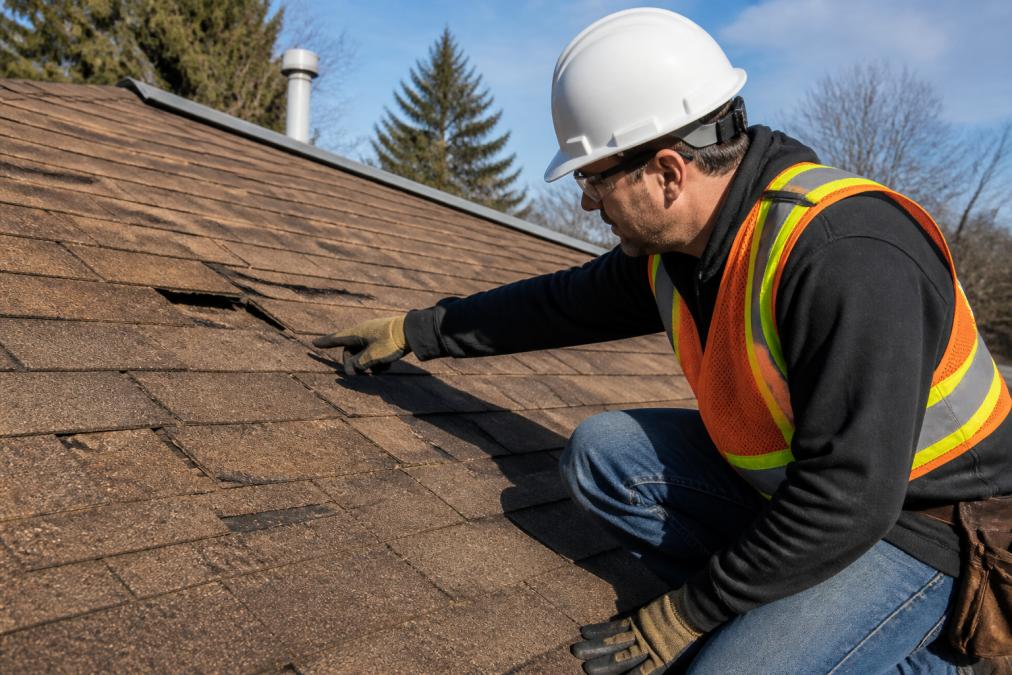
If you climb onto the roof, do so only on a dry day with proper safety precautions. Wear rubber-soled shoes, use a secure ladder, and consider a safety harness if your roof is steep. Never inspect during or immediately after rain. Step on the lower third of each shingle row where they're supported by the row below.
Check shingle condition by gently lifting an edge to see if it's still flexible. A shingle that cracks when touched is reaching end-of-life. Granules should be tightly adhered to the surface; excessive loss or bare patches mean the protective layer is compromised. Inspect flashing carefully for rust, gaps, or separation. Roof valleys, where two roof planes meet, are particularly vulnerable and demand immediate attention if deteriorated.
Check your roof's underlayment if visible. If you notice exposed underlayment or dark staining on it, water has breached the shingle layer. Examine roof penetrations, vents, pipes, skylights, and antennas all create potential leak points. The boots or flashing around these should be intact and sealed.
Document findings with photos for insurance claims or contractor discussions.
Temporary Leak Fixes Before Professional Help
When you discover a leak but can't immediately hire a contractor, temporary measures prevent further water intrusion while you arrange repairs. These are stopgaps only and shouldn't delay professional repair.
For active leaks dripping into your home, place a bucket under the drip. If water pools in an attic, use towels to soak it up and improve ventilation by opening attic vents on dry days.
For accessible exterior damage, temporary tarping can buy time. A heavy-duty tarp weighted down with rope or boards can cover a damaged area and redirect water. This is short-term only; tarps deteriorate in sunlight and wind.
Roof cement or roofing caulk can temporarily seal small gaps around flashing, but these products don't adhere well to wet surfaces and won't hold during heavy rain.
Temporary fixes give you time to get professional help but don't repair the underlying problem. The sooner you arrange professional repair, the less additional damage occurs.
Cost of Roof Leak Repair
Roof leak repair pricing depends on several factors. A simple fix replacing a few missing shingles or resealing flashing costs less than repairs involving structural damage, extensive water intrusion, or underlayment replacement. Location matters too, a leak near the roofline is easier to access than one near the peak. Asphalt shingle repairs are typically less expensive than metal or specialty roofing repairs.
For specific pricing, contact Certified Roofing Solutions Inc. for an estimate. We assess damage, identify all problem areas, and provide transparent pricing before work begins.
The extent of damage affects pricing significantly. Multiple damaged shingles, compromised flashing, and water damage to decking increase both labor and materials. Roof complexity matters, a simple pitch is faster to repair than one with multiple valleys and angles. The age and condition of your roof influences whether repair or replacement makes more sense. If your roof is near end-of-life and showing multiple signs of wear, repair might only delay replacement. Insurance coverage also affects your out-of-pocket cost; storm damage repairs are often covered, meaning your deductible applies rather than the full repair cost.
Emergency Roof Repair Services
Some roof damage requires immediate attention to prevent catastrophic water intrusion. Storm damage leaving your roof exposed, large holes from fallen trees, or extensive flashing failure during heavy rain all qualify as emergencies.
Call for emergency service if you have active water intrusion during rain spreading to multiple rooms, if a storm has knocked off a roof section or created a large hole, or if heavy rain is forecast within hours.
Certified Roofing Solutions Inc. offers emergency roof repair services. We respond quickly to stabilize your roof and prevent further damage. Emergency repairs often involve temporary measures, tarping, temporary shingle replacement, or flashing repair, to get you through the immediate crisis. Once contained, we schedule permanent repairs at your convenience.
Emergency service typically costs more than standard repairs because it requires rapid response and possibly overtime labor. However, the cost of emergency repair is far less than water damage spreading through your home over days or weeks. Mold remediation, structural repairs, and interior damage restoration can easily exceed prompt emergency roofing service costs.
Insurance Claims and Documentation
If your roof damage results from a storm, falling tree, or other covered event, your homeowners insurance may cover the repair cost. The process requires proper documentation and often benefits from professional guidance.
Document everything immediately after discovering damage. Take photos and video from multiple angles and distances. Capture wide shots showing overall damage and close-ups showing specific problems. If water has entered your home, photograph interior damage as well. Save all photos with timestamps intact.
Write down details about the damage: when you discovered it, what weather preceded it, and what you observed. If damage resulted from a specific storm, note the date and type.
Contact your insurance company promptly. Most policies require reporting within a specific timeframe. Provide documentation and explain the situation clearly. The insurance company will assign an adjuster to inspect and determine coverage.
When getting repair estimates, ask your contractor to itemize clearly. Insurance adjusters need to understand what's being repaired and why. Some contractors specialize in insurance claims and can simplify the process.
Be aware that insurance companies sometimes lowball initial estimates. If the adjuster's estimate seems low compared to contractor estimates, request re-evaluation or hire an independent adjuster. Keep records of all communication with your insurance company, including claim numbers, adjuster names, dates, and discussion details.
Preventing Future Roof Leaks
The best roof leak repair is the one you never need. Preventative maintenance catches small problems before they become expensive and extends your roof's lifespan significantly.
Inspect your roof twice yearly, spring and fall, looking for warning signs. Pay special attention after storms, high winds, or heavy snow. Document findings with photos to track changes over time.
Keep gutters and downspouts clean and clear. Clogged gutters cause water to back up under the roofline, leading to leaks and water damage. Clean gutters at least twice yearly, more frequently if you have trees overhead. Ensure downspouts direct water at least 4-6 feet away from your foundation (fema.gov).
Trim tree branches hanging over your roof. Falling branches damage shingles and flashing. Branches also drop leaves and debris that accumulate in valleys and gutters, trapping moisture.
Ensure your attic has proper ventilation. Poor ventilation traps heat and moisture, accelerating shingle deterioration and promoting mold growth. Soffit vents should be clear and unobstructed. Ridge vents should allow air to flow freely.
Address minor damage immediately rather than waiting. A single missing shingle is a quick, inexpensive fix. Left unrepaired for months, it can cause water damage to decking and underlayment, turning a simple repair into an expensive one.
Have a professional roof inspection every 3-5 years, or more frequently if your roof is aging. Certified Roofing Solutions Inc. provides thorough inspections identifying current problems and predicting future issues, helping you plan repairs and replacements strategically.
Consider your roof's age and material when planning maintenance. Asphalt shingles typically last 20-25 years (nrca.net). Metal roofing can last 40-70 years (nrca.net). As your roof approaches end-of-life, maintenance becomes less cost-effective than replacement.
Roof leaks demand attention, but they don't have to become disasters. Early detection through regular inspection and prompt professional repair prevent water damage, mold, and structural problems. When you discover a leak, contact Certified Roofing Solutions Inc. for a thorough assessment and transparent repair estimate. Our experienced team identifies all damage, explains your options, and handles repairs with the same commitment to excellence we bring to every project. Book an appointment today and protect your home from the inside out.
Frequently Asked Questions
Q: How quickly should I address a roof leak to prevent water damage?
A: Address a roof leak as soon as you notice it. Water damage can spread rapidly through your attic, insulation, and structural components. Even small leaks can cause mold growth and rot within days. If you cannot schedule a professional repair immediately, place buckets to catch water and improve attic ventilation to reduce moisture. The longer a leak persists, the more expensive the final repair becomes.
Q: What are the common causes of roof leaks?
A: Roof leaks typically result from missing or damaged shingles, deteriorated flashing around chimneys and vents, popped nails that have worked loose, gaps in roof valleys, and age-related wear and tear. Storm damage is a major cause, high winds can lift shingles and expose the underlayment. Poor attic ventilation can also accelerate deterioration. Regular roof inspections help catch these issues before they become expensive problems.
Q: Is roof leak repair covered by homeowners insurance?
A: Most homeowners insurance policies cover roof leak repair if the damage results from a covered peril like a storm, falling tree, or sudden event. However, damage from lack of maintenance, age, or wear and tear is typically not covered. Review your policy's specific terms and file a claim promptly with documentation of the damage. A professional contractor can help you navigate the claims process and document the damage for your insurer.
Q: When should I replace my roof instead of just repairing the leak?
A: If your roof is older than 15-20 years, has widespread damage across multiple areas, or shows signs of extensive wear and tear, replacement may be more cost-effective than repeated repairs. A professional roof inspection can determine whether isolated leaks can be patched or if the entire roof needs replacement. Curling shingles, missing shingles in multiple locations, and water damage in the attic suggest replacement is the better choice.