 ultimate-guide
Roof Insurance Claim Process Timeline: A 2026 Guide
Table of Contents
- Initial Damage Assessment and Documentation
- Filing Your Roof Insurance Claim: Step-by-Step
- What Is Covered Under Storm Damage Roof Insurance
- How to Talk to an Insurance Adjuster for Roof Damage
- The Adjuster Inspection and Claim Review Process
- Roof Insurance Claim Denial Reasons and Appeal Options
- Supplemental Claims and Hidden Damage Discovery
- Timeline Expectations and Policy Deadlines
- Frequently Asked Questions
Last Updated: August 27, 2026
Initial Damage Assessment and Documentation
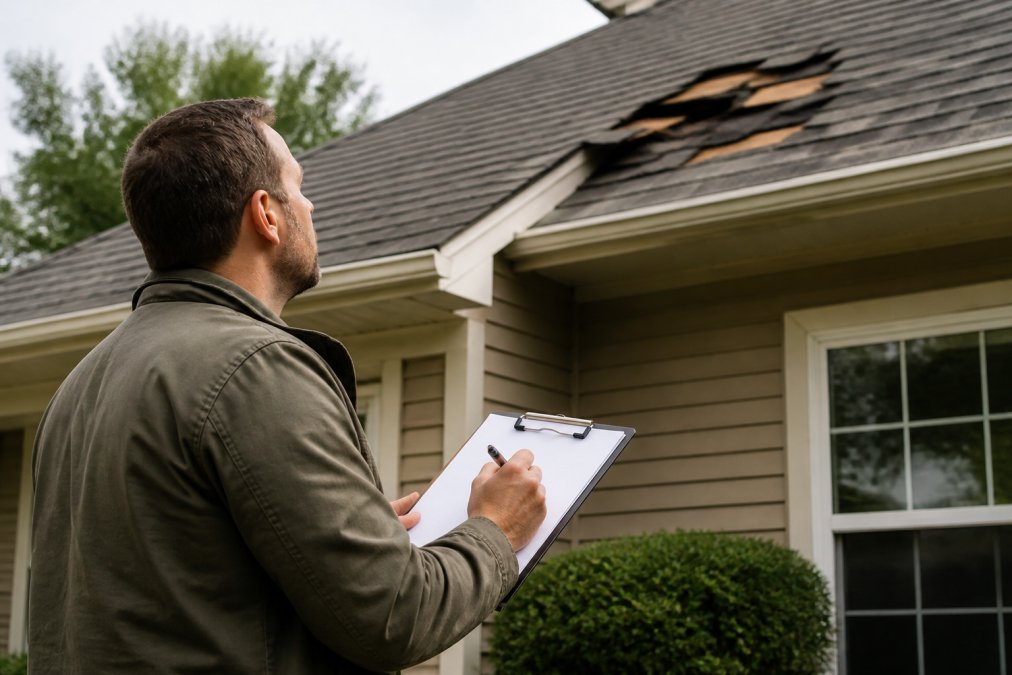
The first hours after storm damage are critical. Your actions determine how smoothly the roof insurance claim process unfolds. Document everything before calling your insurance company.
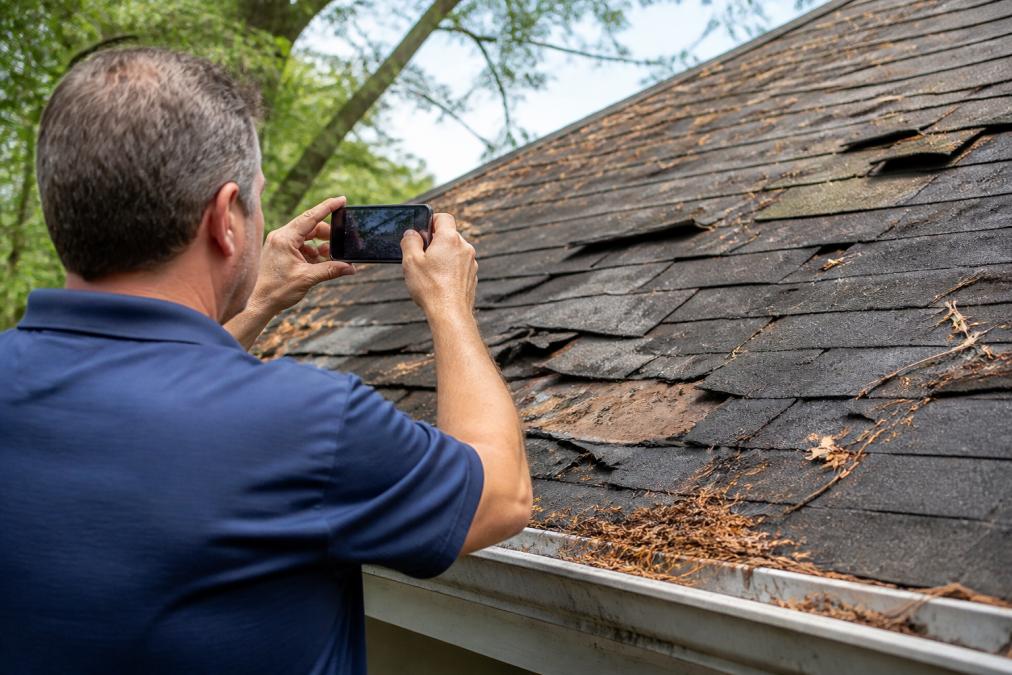
Photograph the damage from multiple angles, wide shots of overall roof condition and close-ups of specific problem areas. Capture curled shingles, missing pieces, debris, and visible water intrusion. If you can safely access your attic, photograph water stains on the roof deck or insulation. This visual evidence becomes your proof of loss.
Write down the storm date, time, and weather conditions. Note exactly what damage occurred and where. Insurance policies require you to report damage within 30 to 90 days of the storm, though this varies by insurer and policy type (iii.org).
Create a written inventory including the roof's age, material type (asphalt shingles, metal, TPO, etc.), and damage extent. If you hired a contractor for assessment, get their written estimate and keep it with your documentation.
Don't make temporary repairs unless water is actively entering your home. Your insurance company needs to see the damage in its original condition. If you must prevent further damage, such as placing tarps over large holes, document those mitigation steps with photos.
Filing Your Roof Insurance Claim: Step-by-Step
Step 1: Contact Your Insurance Company Call your insurer's claims line as soon as possible after the storm. Provide the storm date, location of damage, and a brief description. The representative will open a claim file and assign a claim number. Ask for the claims adjuster's name, contact information, and expected timeline for inspection.
Step 2: Submit Your Proof of Loss Within 10 to 30 days, submit a formal proof of loss, a written statement describing the damage, when it occurred, and estimated repair cost (naic.org). Include your photographs and any contractor estimates. This document is legally required and initiates formal claim review.
Step 3: Receive Claim Acknowledgment Your insurer must acknowledge receipt within 5 to 10 business days (naic.org). They'll confirm the claim number, provide the adjuster's assignment, and outline next steps, including any deadlines for inspections or documentation.
Step 4: Prepare for the Adjuster Inspection Schedule the inspection when you can be present. Ensure the roof area is safe and clear of obstacles. Have your documentation ready and point out all visible damage and areas of concern, such as suspected water intrusion in the attic.
Step 5: Review the Initial Estimate After inspection, the adjuster prepares an estimate detailing what the insurance company will cover, the payment amount, and any exclusions or deductibles. Review it carefully. If you believe damage was missed or the estimate is too low, you have the right to dispute it through supplemental claims.
What Is Covered Under Storm Damage Roof Insurance
Understanding what your policy covers prevents surprises later in the roof insurance claim process.
Storm Damage Coverage Covered events typically include damage from wind, hail, lightning, and fallen trees. If a hurricane or severe thunderstorm damages your roof, your insurer should cover the cost to repair or replace it, minus your deductible.
What Is NOT Covered Insurance does not cover damage from normal wear and tear, lack of maintenance, or gradual deterioration. Pre-existing damage, poor installation, or missing flashing due to negligent maintenance falls outside coverage. Water damage from a roof that failed to shed water properly, rather than storm-caused damage, is typically denied.
Some policies exclude certain events. Earthquakes, floods, and acts of war are common exclusions. If you live in a flood-prone area, you'll need a separate flood insurance policy.
Actual Cash Value vs. Replacement Cost Value
This distinction determines how much you actually receive.
Actual Cash Value (ACV) is what your roof is worth today, accounting for depreciation. If your roof is 15 years old with a 25-year lifespan, the insurer reduces the payout accordingly. For example, if a new roof costs $12,000 and your roof has depreciated 60%, you'd receive $4,800 minus your deductible.
Replacement Cost Value (RCV) is the full cost to replace your roof with new materials of similar quality, with no depreciation deduction. If a new roof costs $12,000, you receive $12,000 (minus your deductible). RCV policies cost more but provide significantly better protection, especially for older roofs.
Check your policy declarations page to see which you have. The difference can be thousands of dollars. Some insurers offer recoverable depreciation: they initially pay the ACV, but after you complete repairs and provide receipts, they reimburse the depreciation amount.
How to Talk to an Insurance Adjuster for Roof Damage
The adjuster inspection is your opportunity to ensure all damage is documented and considered for coverage.
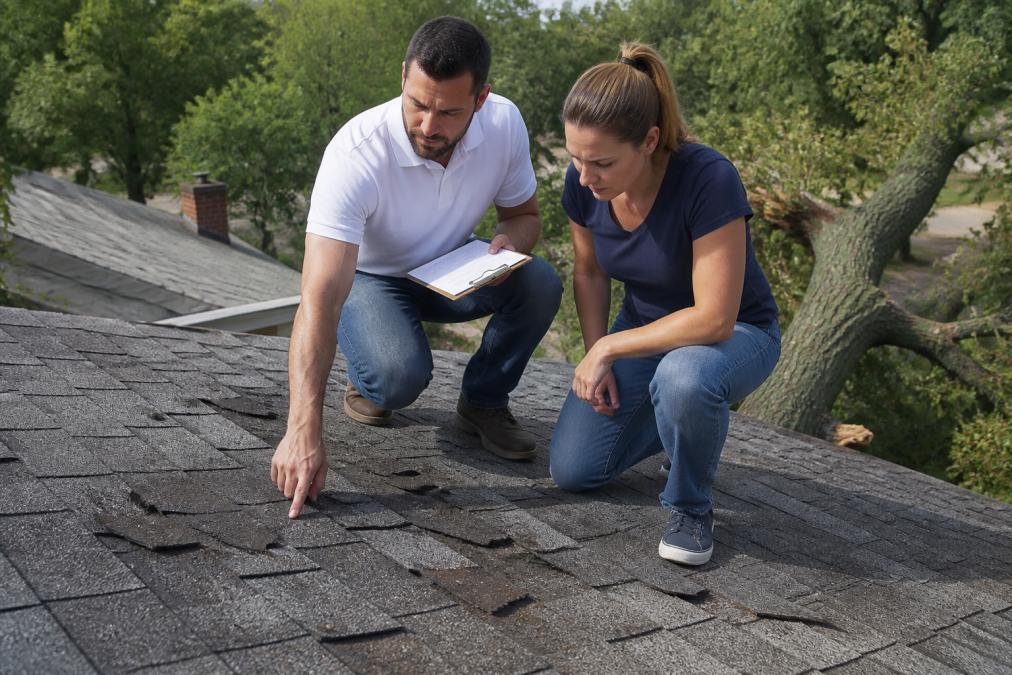
Before the Inspection Walk your roof beforehand and note all visible damage. If you hired a contractor for an estimate, review it together. Prepare a list of questions about coverage, deductibles, and payment timeline. Have your policy documents and proof of loss available.
During the Inspection Be present and attentive. Point out all damage you've observed, including areas that might not be immediately obvious. If you suspect hidden damage, water stains in the attic, damage under flashing, or deterioration around vents, mention it. Ask the adjuster to explain their assessment as they work so you can catch any missed damage in real time.
After the Inspection Request a timeline for the estimate. Most adjusters provide preliminary estimates within 5 to 10 business days. When you receive the estimate, review it thoroughly and compare it to any contractor estimates. If the insurance estimate is significantly lower, contact your adjuster to discuss the discrepancy with specific examples.
The Adjuster Inspection and Claim Review Process
After the adjuster submits their report, your insurer enters the formal review phase.
The adjuster's inspection typically takes 30 minutes to 2 hours, depending on roof complexity and damage extent. They photograph the damage, measure affected areas, and may access the attic to check for water intrusion. The adjuster then prepares a scope of work detailing repairs needed and estimated cost.
The insurer's review department examines the adjuster's report and scope, verifying that damage qualifies under the policy and that no exclusions apply. This review usually takes 5 to 10 business days.
Payment Structure Most insurers use a two-check system. The first check covers 80% to 90% of the approved estimate and is issued once the claim is approved. The second check, called the final payment or holdback, is issued after you provide proof that repairs were completed.
Some insurers require the mortgagee clause to be honored, meaning your mortgage lender receives a copy of the check and must approve repairs before funds are released.
The entire roof insurance claim process from filing to final payment typically takes 30 to 60 days, though complex claims can extend longer.
Roof Insurance Claim Denial Reasons and Appeal Options
Not all claims are approved. Understanding common denial reasons and your appeal rights protects you if your claim is rejected.
Common Denial Reasons
Policy exclusions are the most frequent cause of denial. If your policy excludes a specific type of damage and that's what caused your roof damage, the claim is denied.
Pre-existing damage is another common reason. If the adjuster determines that damage existed before the storm, it's excluded. Your documentation of the storm date and damage timeline becomes critical here.
Lack of maintenance is cited when the adjuster believes poor upkeep contributed to the damage. This is subjective and often worth challenging.
Some claims are denied because damage doesn't meet the policy's threshold for coverage. Many policies require a minimum percentage of damage (e.g., 25% of the roof's surface) to trigger replacement coverage.
How to Appeal a Denial
If your claim is denied, contact your insurance company's claims department and request the reason for denial in writing. Review the adjuster's report and photographs. If you disagree with their findings, document your objections and provide additional photographs, contractor assessments, or expert opinions.
Request a second adjuster review or an independent appraisal. Many policies include an appraisal clause allowing either party to request independent evaluation if they disagree with the adjuster's estimate.
If the insurer still denies your claim after appeal, you can file a complaint with your state's insurance commissioner. This free process investigates whether the insurer violated state insurance laws.
Supplemental Claims and Hidden Damage Discovery
Supplemental claims allow you to recover additional costs when damage is discovered after the initial estimate.
When Supplemental Claims Are Necessary
Initial adjuster estimates often miss damage. Your contractor may discover water damage under flashing, structural deterioration in the roof deck, or damage to fascia and soffit during work. Once repairs begin, previously hidden problems become visible, justifying a supplemental claim.
Filing a Supplemental Claim
Contact your insurance adjuster and describe the newly discovered damage. Provide photographs showing the damage in detail. Your contractor should prepare a written scope of work for additional repairs with cost estimates. Submit this documentation along with a formal supplemental claim request.
The insurer will typically send an adjuster to inspect the additional damage. If it's directly related to the original storm damage and wasn't visible during the initial inspection, it should be covered. The insurer issues an amended estimate and an additional check.
Timing Considerations
File supplemental claims promptly after discovering additional damage. Most policies allow supplemental claims within 30 to 90 days from initial claim approval. Your contractor plays a key role by identifying potential hidden damage during their initial assessment and documenting any issues discovered during work.
At Certified Roofing Solutions Inc., we document all damage thoroughly during initial assessment and photograph any additional issues discovered during work. This attention to detail ensures you recover the full cost of repairs.
Timeline Expectations and Policy Deadlines
The roof insurance claim process timeline varies, but understanding key deadlines prevents claim denial or loss of coverage.
Filing Deadline
Most homeowner policies require you to report damage within 30 to 90 days of the loss. This is a critical deadline. Mark the storm date on your calendar and file your claim well before this deadline, ideally within 7 to 14 days.
Proof of Loss Deadline
You typically have 10 to 30 days to submit your proof of loss. Missing this deadline can delay claim approval or result in denial.
Adjuster Inspection Timeline
The insurer schedules an adjuster inspection typically within 10 to 15 business days, though it can take longer during peak storm seasons.
Estimate Review and Approval
After inspection, the insurer's review department evaluates the adjuster's report. This takes 5 to 10 business days. Complex claims may take longer.
Payment Timeline
Once approved, the insurer issues the first check within 10 to 15 business days. The final check is issued after you provide proof of completion, typically receipts and photos from your contractor.
Total Timeline
From filing to final payment, expect 30 to 60 days for straightforward claims. Claims with supplemental damage, appeals, or complications can extend to 90 days or longer.
Statute of Limitations
Your state sets a statute of limitations for filing a lawsuit against your insurer if they wrongfully deny or underpay your claim. This period is typically 2 to 4 years from the date of loss.
Navigating the roof insurance claim process requires attention to detail, clear communication, and persistence. The timeline from initial damage assessment through final payment typically spans 30 to 60 days, but understanding each phase helps you anticipate delays and stay organized. Certified Roofing Solutions Inc. provides expert residential and commercial roofing services. Our team of experienced professionals is dedicated to delivering top-quality installations, repairs, and specialized roofing solutions. If you've experienced storm damage to your roof, contact us today to schedule a comprehensive assessment. We are committed to excellence and ensuring exceptional results for all our customers in the region.
Frequently Asked Questions
How long does it take for a roof insurance claim to be approved?
Most roof insurance claims are approved within 5-10 business days after the insurance adjuster completes their inspection, though this varies by insurer and claim complexity. Initial claim acknowledgment typically happens within 1-3 days of filing. If your claim involves significant damage or requires supplemental inspections, the timeline may extend to 2-3 weeks. Contact your insurance company for a specific estimate based on your claim's details.
What are common reasons for roof claim denials?
Roof insurance claim denial reasons include lack of maintenance (missing repairs before the storm event), pre-existing damage not caused by the covered storm, failure to meet policy deadlines, insufficient documentation, and damage excluded under your specific policy (such as wear and tear or damage from poor installation). Deductibles not met and claims filed outside the statute of limitations also result in denials. Review your policy carefully and provide complete proof of loss documentation to minimize denial risk.
What is covered under storm damage roof insurance?
Storm damage roof insurance typically covers damage from hail, wind, lightning, and falling debris caused by covered weather events. Most policies cover the cost of repairs or replacement of damaged materials, including asphalt shingles, structural damage, and water intrusion. However, coverage excludes normal wear and tear, maintenance issues, and damage from poor installation. Your policy limits and deductible apply. Review your specific policy and ask your insurer about coverage details before filing a claim.
What should I not say to a roof insurance adjuster?
Avoid admitting fault, exaggerating damage, or making statements about prior damage or maintenance issues. Don't say the damage is 'definitely' from the storm if you're uncertain, and avoid discussing other insurance claims or disputes. Don't agree to the first estimate without review, and don't pressure the adjuster or make threats. Stick to facts: describe what you observed, when you discovered the damage, and provide documentation. Let your documentation and the adjuster's inspection speak for themselves.
Can I file a supplemental claim if the contractor finds hidden damage?
Yes. Supplemental claims allow you to submit additional damage discovered after the initial adjuster inspection. This commonly happens when contractors begin work and uncover hidden damage beneath the roof surface. Document the new damage with photos and a written description, then contact your insurance company to file a supplemental claim. The adjuster will typically re-inspect and issue an additional estimate. Keep all communication with your contractor in writing to support your claim.
How does mortgage company involvement affect my roof insurance claim?
If your mortgage lender has a mortgagee clause in your insurance policy, they must approve the claim payout before you receive funds. The insurance company will send the check to both you and your lender. You'll need both signatures to cash it. Communicate with your lender early in the process and coordinate with them on timing. Some lenders require proof that repairs are completed before releasing their portion of the payout, which affects your cash flow timeline.
What documentation do I need for a roof insurance claim?
Gather photos and videos of all visible damage, dated before any repairs. Collect your insurance policy, proof of loss (itemized damage list), receipts for emergency repairs, contractor estimates, and any prior inspection reports. Document the storm date and weather conditions. Keep records of all communication with your insurer. If you have a mortgagee clause, include mortgage details. Organize everything chronologically and provide it to your adjuster. Complete documentation speeds approval and reduces denial risk.
What is the difference between Actual Cash Value and Replacement Cost Value?
Actual Cash Value (ACV) accounts for depreciation, paying you the current market value of your roof minus wear and tear. Replacement Cost Value (RCV) covers the full cost to replace damaged materials without depreciation deduction. RCV typically results in higher payouts but may cost more in premiums. Check your policy to see which applies. Some policies offer recoverable depreciation, where you receive ACV initially, then get the depreciation back after completing repairs and providing receipts.