 how-to
Repairing Roof Leaks After Storm Damage: A Step-by-Step Guide
Table of Contents
- Immediate Steps to Take During a Roof Leak
- How to Identify Storm Roof Damage
- Emergency Roof Tarping Procedures
- Documenting Storm Damage for Insurance
- Filing a Homeowners Insurance Claim for Roof Damage
- Temporary Patch Solutions vs. Professional Repair
- Average Cost of Roof Leak Repair
- When to Call a Professional Contractor
- Frequently Asked Questions
Last Updated: August 29, 2026
Immediate Steps to Take During a Roof Leak
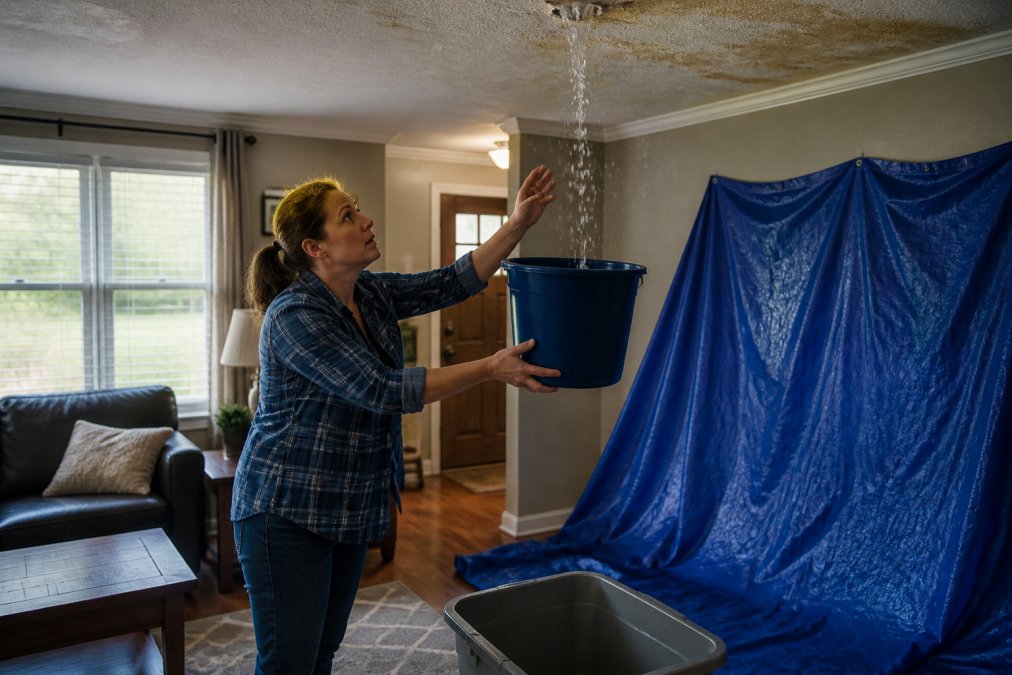
When water drips into your home after a storm, act methodically to prevent further intrusion while arranging professional assessment. Move valuables and furniture away from the affected area. Spread tarps or plastic sheeting across floors and furniture, and place buckets under active drips to minimize water spread. Open interior windows and doors to improve air circulation and prevent mold growth.
If water flows into multiple rooms, turn off electrical power to those areas as a safety precaution. Document the leak location with photos and videos before moving anything, these images are essential for your insurance claim.
Do not climb onto the roof yourself during or immediately after a storm. Wet surfaces are extremely slippery, and structural damage may have compromised the roof's integrity.
Contact your insurance company within 24 hours (iii.org). Most policies require prompt notification of storm damage. Have your policy number ready and ask whether your policy requires a specific contractor or allows you to choose freely.
How to Identify Storm Roof Damage
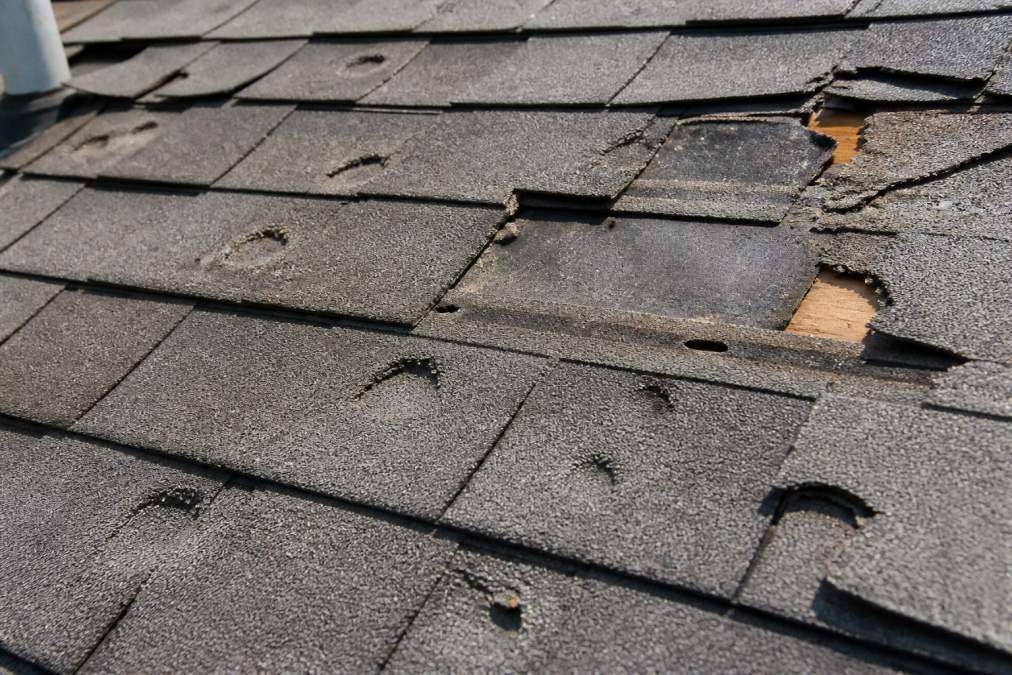
Identifying storm roof damage requires understanding what to look for both from the ground and in your attic. Hail creates distinctive dents and punctures. High winds tear shingles or lift them away from the roof deck. Falling branches puncture or crack shingles and underlying layers.
Signs of Structural Roof Damage
Visible shingle damage is the most obvious indicator. Look for missing shingles, torn pieces, or shingles with exposed edges where the granule coating has been stripped away. Curling or buckling shingles suggest age or weather exposure.
Roof flashing damage often goes unnoticed but causes serious leaks. Flashing is the metal or rubber barrier installed around chimneys, vents, skylights, and roof valleys to direct water away from seams. If flashing is bent, cracked, separated from the roof, or has peeling caulk, water will infiltrate the structure.
Check your gutters and downspouts for debris, granules, or shingle pieces. An accumulation of granules indicates shingle deterioration.
Interior Water Damage and Ceiling Stains
Water stains on ceilings or walls indicate active or recent water intrusion. Fresh stains appear light brown or yellowish; older stains have darker rings where mold has begun growing. Water can travel along rafters, insulation, and structural members before dripping through, so interior stains don't always correspond directly to roof damage.
Check your attic after a storm, even if you don't see interior water damage yet. Look for wet insulation, water stains on the underside of the roof deck, or moisture on rafters. Attic inspections often reveal hidden damage that hasn't yet penetrated to living spaces. Moisture in the attic creates conditions for mold growth and wood rot, far more costly to repair than catching a leak early.
Emergency Roof Tarping Procedures
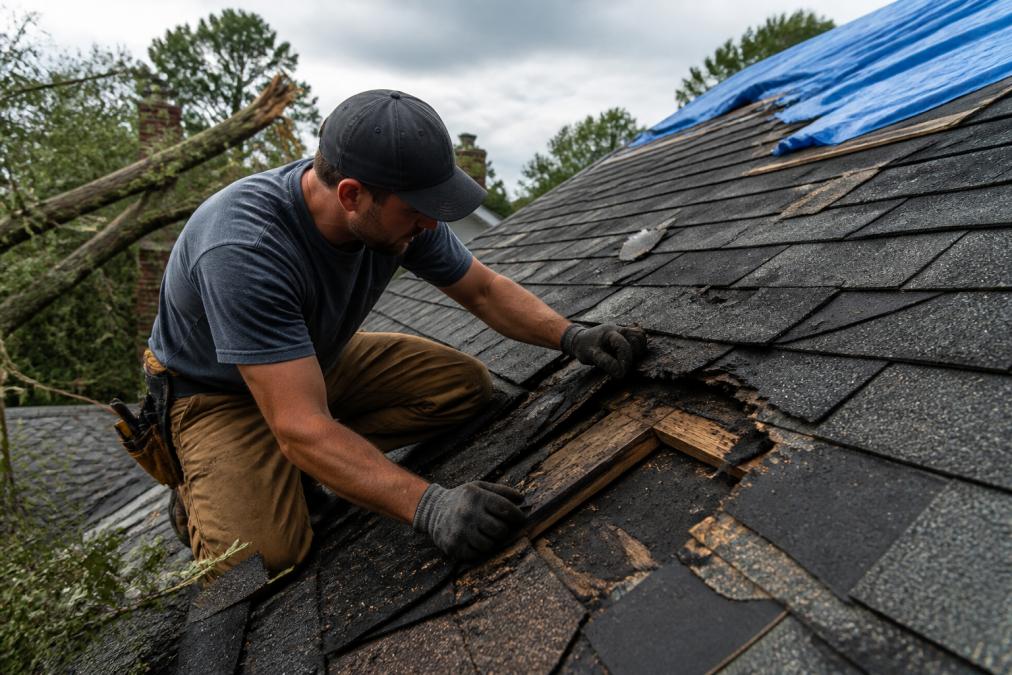
Emergency roof tarping is a temporary measure that prevents additional water intrusion while you arrange permanent repairs. A properly installed tarp can protect your home for weeks.
Safety Precautions and Gear Requirements
Before any work begins, understand that roof work carries serious risks. Falls from height are the leading cause of serious home injuries (the CDC). If you choose to tarp your roof yourself, use proper safety equipment without exception.
Required safety gear includes a fall arrest system or safety harness rated for roof work, a helmet, non-slip footwear, and work gloves. Secure your harness to a roof anchor or structural beam that can support your weight. Never rely on gutters, which will tear away under load.
Check weather conditions before beginning. Do not work on a wet roof or if rain is forecast within the next few hours. Wind speeds above 15 mph make tarp installation difficult and dangerous (osha.gov).
Material-Specific Temporary Repairs
For minor leaks, rubberized caulk or roofing sealant can provide temporary relief. Clean the damaged area thoroughly, removing loose granules and debris. Apply a generous bead of rubberized caulk over the damaged area and smooth it with a wet finger. This works for small punctures, cracks, and gaps in flashing.
Peel-and-stick repair tape offers another temporary option. Clean the area, peel back the tape's backing, and press firmly into place, smoothing out air bubbles. The tape creates a waterproof seal lasting several weeks.
For larger damaged areas, a temporary patch using roofing cement and plywood is effective. Cut a plywood patch to cover the damaged area with several inches of overlap. Apply roofing cement to the underside and press firmly into place. Secure with roofing nails around the perimeter. This method is more durable than tape or caulk but still temporary.
The most comprehensive temporary solution is full roof tarping. Measure the damaged area and purchase a heavy-duty polyethylene or vinyl tarp. Extend the tarp at least 3-4 feet beyond the damaged area on all sides. Secure using 2x4 lumber laid across the edges and fastened with roofing nails or screws.
Documenting Storm Damage for Insurance
Insurance claim documentation is critical. Insurers require clear evidence of damage and its cause.
Photograph the entire roof if safely possible, either from the ground or from a ladder. Take close-ups of damaged shingles, flashing, and visible water intrusion. Include wide-angle shots showing the overall roof condition. Photograph interior damage as well: ceiling stains, water marks on walls, wet insulation, and damaged personal property.
Create a written inventory of damage. Note the specific location of each damaged area, the type of damage, and the approximate square footage affected. Include the date the damage was discovered and the date of the storm.
Keep all receipts and documentation related to temporary repairs. Obtain a professional roof inspection report if possible. A licensed roofing contractor's assessment carries significant weight with insurance adjusters.
Filing a Homeowners Insurance Claim for Roof Damage
Contact your insurance agent or claims department within 24-48 hours of discovering damage. Have your policy number, the storm date, and a damage description ready.
Working with Your Insurance Adjuster
Your insurer will assign an adjuster to inspect the damage and estimate repair costs. You have the right to be present during the inspection and to ask questions.
Before the adjuster arrives, compile all documentation: photos, videos, written descriptions, receipts for temporary repairs, and the professional inspection report. Walk the adjuster through the damage, pointing out specific areas. Be factual and specific; vague descriptions lead to low estimates.
If you disagree with the adjuster's assessment, request a second inspection, hire an independent adjuster, or file a formal appeal. The difference between estimates can hinge on whether hidden damage in the attic or underlying roof deck is identified. Professional inspection before the adjuster's visit is valuable.
Temporary Patch Solutions vs. Professional Repair
Temporary patches, caulk, tape, tarp, or plywood covers, prevent additional water intrusion for days or weeks. They're appropriate when permanent repairs can't be scheduled immediately or when waiting for insurance approval. They're not meant to last through multiple seasons or heavy weather.
Professional repair addresses underlying damage and restores the roof to its original condition. For localized damage, repair involves replacing damaged materials and resealing. For extensive damage or aging roofs, replacement of the entire affected section or whole roof may be necessary.
A temporary tarp installation costs a few hundred dollars. Professional repair of the same area costs thousands. But delaying professional repair risks escalating damage, water in insulation or wood framing causes mold, rot, and structural deterioration far more costly than addressing the original leak promptly.
At Certified Roofing Solutions Inc., we recommend treating temporary solutions as exactly that: temporary. They buy you time to arrange insurance adjustments and schedule permanent work, but they're not a substitute for professional repair.
Average Cost of Roof Leak Repair
Roof repair costs vary widely based on damage extent, roof type, material costs, and local labor rates. Several factors influence the final cost: the size of the damaged area, the type of roofing material, the pitch and complexity of your roof, whether underlying structural damage requires repair, and your location.
For accurate pricing on your specific situation, request quotes from multiple licensed contractors. A professional inspection and estimate should be free or low-cost. Compare not just the total price but what's included: materials, labor, cleanup, warranty, and whether the estimate covers only visible damage or includes contingencies for hidden damage discovered during work.
When to Call a Professional Contractor
Call a professional immediately if the roof damage is extensive, water is actively leaking into multiple rooms, you see signs of structural damage, the damage involves flashing around chimneys or skylights, your roof is steep or high, you're uncomfortable working at heights, or the damage occurred more than a week ago.
Professional contractors bring several advantages: proper safety equipment and training, ability to identify hidden damage, knowledge of local building codes and permits, liability insurance that protects you if someone is injured, and warranties on their work.
At Certified Roofing Solutions Inc., we understand the complexities of storm damage repairs. Common mistakes we see include attempting repairs without proper equipment, delaying professional inspection while temporary patches are in place, and accepting the first insurance adjuster estimate without questioning whether it covers all necessary work. Our team works directly with insurance adjusters to ensure claims reflect the full scope of damage and necessary repairs.
Schedule a professional inspection within 48-72 hours of discovering storm damage. Early identification and documentation strengthens insurance claims and prevents secondary damage from escalating costs.
Storm damage to your roof demands quick action and careful documentation. Whether managing a small leak or extensive damage, the steps you take in the first days, securing temporary protection, documenting damage, contacting your insurer, and arranging professional inspection, determine whether you recover quickly or face months of complications. Contact Certified Roofing Solutions Inc. today to schedule a professional storm damage assessment. Our experienced team will document all damage, work directly with your insurance adjuster, and provide a detailed repair estimate so you know exactly what restoration will cost and what your coverage includes.
Frequently Asked Questions
What are the immediate steps to take when a roof starts leaking during a storm?
First, move valuables and furniture away from the leak area. Place buckets or tarps under active leaks to contain water and prevent interior water damage. If it's safe, access your attic to identify the leak source and document the damage with photos. Close interior doors to isolate affected rooms and reduce moisture spread. Once the storm passes, contact a professional roofing contractor immediately. Do not attempt roof repairs during active storms, wait for safe conditions. Temporary tarping can be applied once weather permits, but professional inspection is essential to identify hidden structural damage that may not be visible initially.
How do I document storm damage for an insurance claim?
Photograph all visible damage from multiple angles, including close-ups of shingle damage, hail marks, and water stains. Document interior damage like ceiling stains and wet insulation. Create a detailed written inventory listing the date of the storm, weather conditions, and specific areas affected. Keep receipts for any temporary repairs or emergency mitigation work. Contact your insurance company within 24-48 hours to report the damage and request an adjuster inspection. Provide your insurance adjuster with all documentation, photos, and contractor estimates. Avoid admitting fault or downplaying damage during the claim process, as this can affect your settlement.
What is the average cost of roof leak repair after storm damage?
Roof leak repair costs vary widely based on damage severity, roof size, materials, and location. Small localized repairs may range from a few hundred dollars, while extensive storm damage requiring underlayment replacement or structural repairs can cost significantly more. Full roof replacement after major storm damage typically requires a professional assessment. Costs depend on whether damage is covered by homeowners insurance, which often covers storm-related repairs after you meet your deductible. Contact Certified Roofing Solutions Inc. for a detailed inspection and quote, professional estimates account for hidden damage that initial visual inspection might miss.
When should I hire a professional contractor instead of attempting temporary repairs myself?
Hire a professional contractor immediately if you see signs of structural damage, active water intrusion into your attic, or damage affecting multiple roof sections. If you're uncomfortable working at heights or lack proper safety equipment, professional help is essential, roof work poses serious fall risks. Contractors have the expertise to identify hidden damage beneath shingles and underlayment that homeowners typically miss. If your insurance claim requires professional documentation, an inspector's report is necessary for claim approval. Temporary tarping can buy time, but professional repair prevents costly secondary damage from moisture infiltration and ensures your roof meets building codes and warranty requirements.