 blog
blog
6 Ways to Prevent Roof Damage During Severe Storms
Table of Contents
- Schedule a Professional Roof Inspection Before Storm Season
- Trim Overhanging Branches and Remove Yard Debris
- Clean Gutters and Downspouts for Proper Water Drainage
- Secure Loose Shingles, Flashing, and Roof Components
- Check Attic Ventilation and Insulation to Prevent Moisture Buildup
- How to Identify Storm Roof Damage After Severe Weather
- Roof Storm Damage Inspection Checklist for Homeowners
- How to File a Roof Insurance Claim After a Storm
- Frequently Asked Questions
Last Updated: September 26, 2026
Schedule a Professional Roof Inspection Before Storm Season
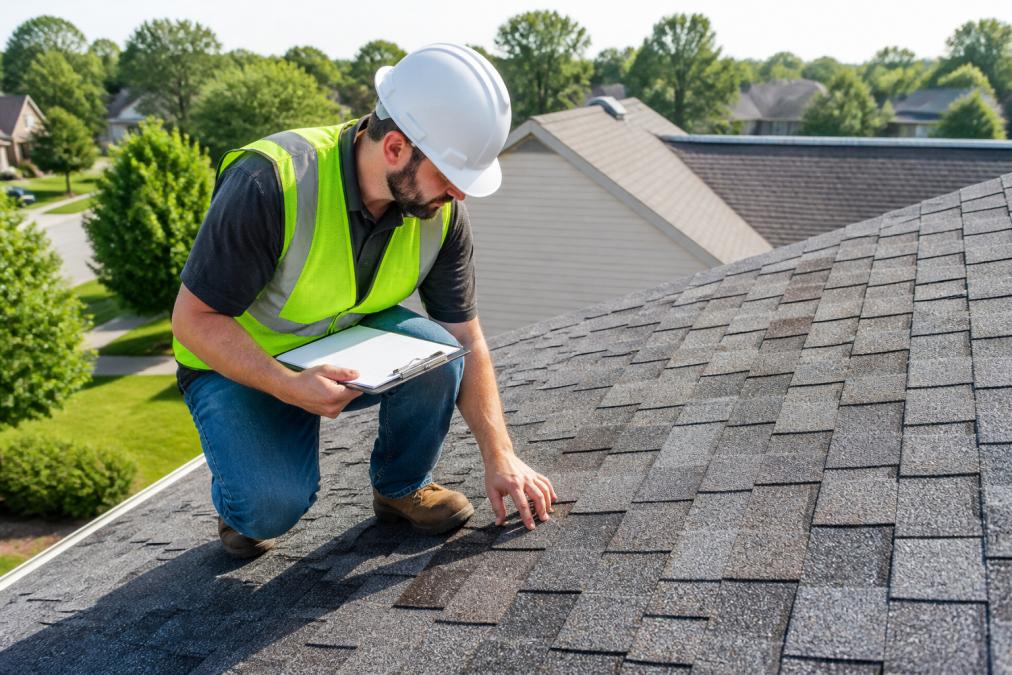
The best way to prevent roof damage during severe storms starts long before the first forecast warning. A professional roof inspection catches weak spots while the weather is clear.
What a Professional Inspector Looks For
A good inspector checks more than missing shingles. They look at the whole roof system.
- Shingle integrity: cracks, curling, or granule loss
- Flashing: rust, gaps, or loose metal around vents and chimneys
- Underlayment: the water barrier beneath your shingles
- Decking: soft spots that signal hidden rot
- Attic ventilation: airflow that keeps moisture from building up
Trim Overhanging Branches and Remove Yard Debris
Overhanging branches are the number one cause of avoidable storm roof damage. A single limb can punch through shingles in high winds, and the mechanism is simple: a limb acts as a lever, so wind pressure at the tip multiplies the force at the point where it meets the trunk. A branch that looks harmless on a calm day can deliver thousands of pounds of impact when a 60 mph gust loads it.
Here's what to do before storm season:
- Trim any branch within 10 feet of the roof surface
- Remove dead limbs entirely, even if they look stable
- Clear loose items from the yard: chairs, grills, planters, toys
- Store or tie down anything the wind can lift
What to Remove and What to Leave
Not every branch is a threat. Focus your effort where the risk is highest.
- Remove: dead, cracked, or hanging limbs; branches that touch or overhang the roof; any limb within 10 feet of the roofline
- Leave: healthy branches that grow away from the house and shade the roof, since shade reduces attic heat and extends shingle life
- Watch: trees with shallow root systems, which are more likely to uproot in saturated soil after heavy rain
Clean Gutters and Downspouts for Proper Water Drainage
Clogged gutters cause more roof leaks than most homeowners realize. When water can't drain, it backs up under the shingles and rots the decking.
Follow this routine:
- Clear leaves and debris from gutters each spring and fall
- Check that downspouts point water at least 2 meters from the foundation
- Look for sagging gutters that trap water instead of moving it
- Test flow with a garden hose after cleaning
Secure Loose Shingles, Flashing, and Roof Components
Loose shingles and flashing are the first things to fail in high winds. Fixing them now costs far less than a full replacement later.
- Shingles that lift at the edges
- Missing or bent flashing
- Loose vent covers or pipe boots
- Exposed nails or lifted ridge caps
Material-Specific Storm Prep for Asphalt Shingles and Metal Roofing
Different roofing materials need different prep. This is where generic advice falls short.
Check Attic Ventilation and Insulation to Prevent Moisture Buildup
Poor attic ventilation traps moisture that weakens your roof from the inside. This damage is invisible until it's serious.
Check these signs in your attic:
- Damp or dark streaks on the roof deck
- Rusty nails or staples
- A musty smell
- Insulation that looks compressed or wet
How to Identify Storm Roof Damage After Severe Weather
Knowing how to identify storm roof damage quickly limits the cost of repairs. Check your roof from the ground first, never by climbing up. Most guides stop at this list of symptoms. What they miss is the first 24 hours after the storm, when the right sequence of actions protects both your safety and your claim.
Look for these signs after a storm:
- Missing, cracked, or displaced shingles
- Dents in metal roofing or gutters
- Granules collected in gutters or at downspout ends
- Water stains on ceilings or attic walls
- Debris lodged in flashing or vents
The First 24 Hours After a Storm: A Safety-First Protocol
This is the step most articles skip. Before you assess anything, confirm the scene is safe.
- Wait for the all-clear. Do not go outside until the storm has fully passed and local authorities have lifted warnings. Downed lines can stay energized in standing water.
- Check for gas and electrical hazards. If you smell gas or see sparking, leave the house and call 911 from a safe distance. Never enter a flooded area near your electrical panel.
- Look up before you walk. Scan for hanging limbs, sagging gutters, and loose flashing that could fall. A limb that is still attached can drop hours after the wind stops.
- Stay off the roof. A wet or damaged roof is the single most dangerous surface on the property. Inspect from the ground with binoculars.
- Document from the ground. Photograph every side of the house, the gutters, and any debris field. Timestamped photos taken before any cleanup carry more weight with adjusters than photos taken after.
- Prevent further damage only if it is safe. A tarp over a missing-shingle area can limit water intrusion, but only if you can reach it without climbing. Otherwise, wait for a professional.
Why the First 24 Hours Matter for Your Claim
Insurance adjusters look for a clear timeline: when the storm hit, what the roof looked like before, and what changed after. If you clean up debris or make repairs before photographing the damage, you erase the evidence that connects the loss to the storm. A common pattern is a homeowner who tarped a leak the same day, then could not prove the leak came from the storm rather than a pre-existing issue.
Roof Storm Damage Inspection Checklist for Homeowners
Use this checklist after every major storm. It takes about 15 minutes from the ground.
- Check roof surface for missing or lifted shingles
- Look for dents in metal roofing, gutters, and downspouts
- Inspect flashing around chimneys, vents, and skylights
- Scan the attic for leaks, stains, or daylight
- Check ceilings and walls for water spots
- Photograph all damage with a dated camera
- Note the date and time of the storm
- Save any receipts for emergency repairs
| What to Check | Warning Sign | Action |
|---|---|---|
| Shingles | Cracks or bald spots | Call a roofer |
| Flashing | Loose or rusted metal | Reseal or replace |
| Attic | Damp decking | Improve airflow |
| Gutters | Granule buildup | Clean and inspect |
| Interior | Ceiling stains | Check for leaks |
How to File a Roof Insurance Claim After a Storm
Filing a roof insurance claim after a storm goes smoother when you document everything first. Most delays come from missing evidence, not from the damage itself.
Follow these steps:
- Photograph all damage before any repairs
- Keep a written log of the storm date and time
- Contact your insurer to open a claim
- Get a professional inspection report
- Save every receipt and estimate
Pre-Storm Photography and Documentation Tips
The smartest move happens before the storm ever arrives. Take dated photos of your roof while it's in good shape.
- Photograph all four sides of the roof in daylight
- Capture close-ups of flashing and vents
- Store photos in cloud storage, not just your phone
- Note any prior repairs with dates
Frequently Asked Questions
How can I reinforce my roof against high winds?
Start by securing loose shingles and flashing, then check that all fasteners are tight and properly sealed. Adding hurricane straps or clips to your roof-to-wall connections can significantly improve wind resistance. If your roof is older, a professional can apply roof-to-deck reinforcement or recommend impact-rated materials. Attic bracing and gable-end reinforcement also help in high-wind events. A professional inspection will identify the specific weak points on your roof that need attention before storm season arrives.
What are the most common signs of storm damage on a roof?
Look for missing, cracked, or curling shingles, granule loss in gutters, dented flashing, and visible punctures from debris. Inside your attic, check for water stains, daylight showing through the roof deck, and damp insulation. After high winds, scan for lifted or torn shingle tabs. If you notice any of these signs, document them with photos and contact a roofing professional for a full assessment before the damage worsens or leads to interior water problems.
How often should I have my roof inspected for storm readiness?
Schedule a professional inspection at least once a year, ideally in early spring before storm season peaks. If your area experienced a major hail or wind event, get an inspection immediately after. Homes with roofs older than 15 years benefit from twice-yearly checks. Regular inspections catch small issues like loose flashing or worn sealant before they become expensive repairs. Many roofing companies offer preventative maintenance plans that include routine inspections and minor repairs.
Does homeowners insurance cover roof damage from storms?
Most homeowners insurance policies cover sudden storm damage from wind, hail, or fallen debris. Normal wear and tear is typically excluded. To strengthen your claim, take dated photos of your roof before storm season and keep records of maintenance and inspections. After a storm, document all damage before any repairs begin. File your claim promptly and ask your roofer to provide a detailed damage report with photos that you can submit alongside your insurer's required forms.
Storm season tests every roof, and the homes that come through it best are the ones prepped in advance. If you want that peace of mind, Certified Roofing Solutions Inc. brings an experienced team, tailored service, and a commitment to doing the job right for homeowners and property managers alike. From inspections to insurance claim support, we handle the details so you don't have to. Get started with Certified Roofing Solutions Inc. and protect your roof before the next storm hits.