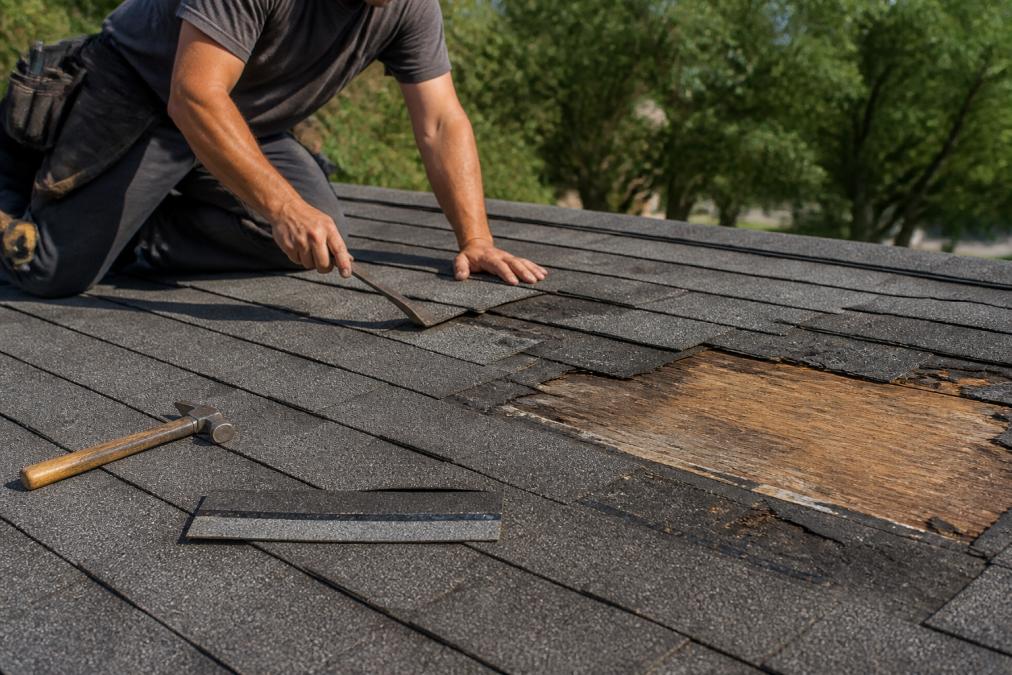
 comparison
Patch vs Replace Aging Roof Shingles: A 2026 Guide
Table of Contents
- Signs of Roof Shingle Deterioration
- Patch vs Replace Aging Roof Shingles: When Each Makes Sense
- Cost of Roof Patch vs Full Replacement
- The Roofing 25% Rule Explained
- Roof Lifespan and Material Durability
- Insurance Claims and Hidden Damage
- Making Your Decision: A Step-by-Step Framework
- Conclusion
- Frequently Asked Questions
Signs of Roof Shingle Deterioration
Recognizing when your roof needs attention is the first step toward making a smart repair decision. The most common signs of roof shingle deterioration include curling edges, granule loss, visible cracks, and discoloration. Curling shingles typically indicate that the roof has experienced prolonged exposure to UV rays and temperature fluctuations, which break down the asphalt binder over time. Granule loss, the sandy texture that washes into gutters, exposes the underlying asphalt layer to the elements, accelerating deterioration.
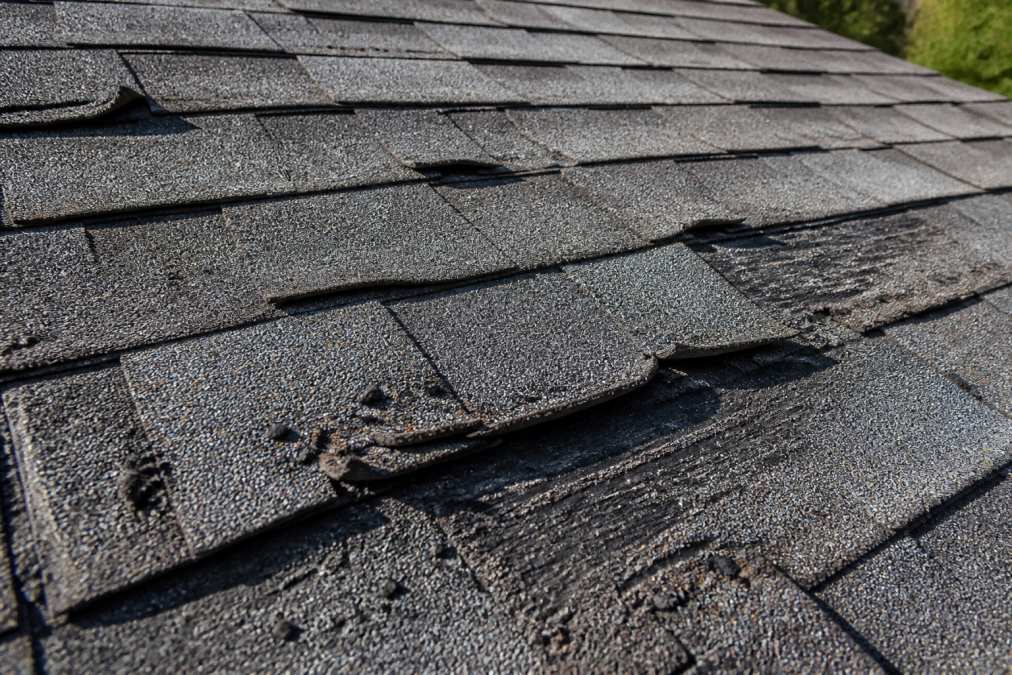
Water stains on your ceiling or attic are another critical indicator. These suggest that water has already infiltrated past the outer shingle layer, potentially causing damage to the underlayment and roof decking beneath. Mold growth in the attic is particularly concerning, it signals moisture accumulation that can compromise structural integrity and pose health risks. Flashing deterioration around chimneys, vents, and valleys is equally important to monitor, as these areas channel water and are common leak points.
The age of your roof matters significantly. Most asphalt shingles are designed to last 15-25 years, depending on climate and maintenance. If your roof is approaching or exceeding this range and showing multiple signs of wear, you're likely facing a decision between localized repairs and full replacement. A professional inspection can identify whether damage is systemic or confined to specific areas, a distinction that fundamentally changes your cost-benefit analysis.
Patch vs Replace Aging Roof Shingles: When Each Makes Sense
The decision to patch versus replace aging roof shingles depends on three core factors: the extent of damage, the age of the roof, and the cost-benefit calculation. Understanding when each approach makes sense can save you thousands of dollars and prevent costly mistakes down the line.
Patching makes the most sense when damage is localized to a small area, typically less than 10% of the total roof surface. If you have a few curled shingles, a small section of granule loss, or damage confined to one side of the roof, targeted repairs can extend your roof's life by several years. Patching is also the logical choice when your roof is relatively young (under 10 years old) and the damage hasn't spread systematically across multiple areas.
Replacement becomes the better choice when damage is widespread or your roof is nearing the end of its expected lifespan. If you're seeing signs of deterioration across multiple sections, or if the roof is 18-20 years old and showing moderate wear, full replacement typically offers better long-term value. Replacing an aging roof prevents the cascading costs of repeated patches, emergency repairs after storms, and potential water damage to interior structures.
The real challenge emerges in the middle ground: a 12-15 year old roof with moderate damage in several areas. This is where the 25% rule becomes your guide, and where many homeowners make costly mistakes by choosing the wrong path.
Cost of Roof Patch vs Full Replacement
Cost comparison is where the patch versus replace decision becomes concrete. Patching typically costs significantly less upfront, often ranging from a few hundred to a couple thousand dollars depending on the damage severity and roof accessibility. A professional can usually complete a patch job in one to three days, minimizing labor costs and disruption.
Full roof replacement involves substantially higher costs due to labor, materials, and the removal of existing shingles. The total investment depends on your roof size, material choice, local labor rates, and whether structural repairs are needed. Architectural shingles cost more than standard asphalt shingles but offer longer lifespan and better aesthetics. Metal roofing carries a premium upfront cost but can last 40-50 years, making it a long-term investment.
Here's the critical insight most homeowners miss: the cost-per-year calculation often favors replacement. If patching costs $2,000 and extends your roof's life by 3-4 years, you're paying roughly $500-700 per year. If replacement costs $12,000 and provides 20 years of protection, you're paying $600 per year. When you factor in the likelihood of additional repairs during those 3-4 years after patching, the economics shift dramatically toward replacement.
| Factor | Patching | Full Replacement |
|---|---|---|
| Upfront Cost | $500-$3,000 | $8,000-$20,000+ |
| Time to Complete | 1-3 days | 3-7 days |
| Cost Per Year (typical) | $500-$1,000 | $400-$600 |
| Lifespan Extension | 3-5 years | 15-25 years |
| Warranty Coverage | Limited | Full (10-25 years) |
| Likelihood of Future Repairs | High | Low |
The table reveals why replacement often makes financial sense for aging roofs. When you calculate the total cost of ownership, including the patch plus likely future repairs, replacement frequently wins out over a 10-year horizon.
The Roofing 25% Rule Explained
The 25% rule is an industry standard that should guide your patch versus replace decision. Here's how it works: if the cost of repairs exceeds 25% of the cost of a full roof replacement, replacement is the recommended path. This rule exists because of the economics of roof deterioration and warranty implications.
When your roof requires repairs costing more than 25% of replacement value, you're approaching the financial threshold where replacement becomes the smarter investment. For example, if a full replacement costs $12,000, the 25% threshold is $3,000. If your repair estimate comes in above that figure, replacement is typically the better choice.
The reasoning behind this rule is straightforward: roofs that need expensive repairs are usually showing systemic signs of aging. Spending $3,500 on repairs to a roof that costs $12,000 to replace means you're investing heavily in a system that's already deteriorating. You'll likely face additional repairs within 2-3 years, gradually approaching the replacement cost anyway. By that point, you've paid significantly more than if you'd replaced the roof initially.
This rule also protects your warranty coverage. Most roof warranties, whether from the manufacturer or contractor, don't cover previous damage or repairs. When you replace, you get a fresh warranty period. When you keep patching, your warranty window shrinks with each repair, leaving you increasingly exposed to uncovered damage.
Roof Lifespan and Material Durability
Understanding how long different roofing materials last is essential for making informed decisions about patch versus replace. Standard asphalt shingles typically last 15-25 years, with the wide range depending on climate, ventilation, and maintenance. In warmer climates with intense UV exposure, asphalt shingles deteriorate faster. In cooler regions with less sun exposure, they can approach the 25-year mark more reliably.
Architectural shingles, thicker, laminated versions of standard asphalt, can extend lifespan to 20-30 years. They resist curling and granule loss better than standard shingles, making them a popular upgrade for homeowners seeking longer-lasting protection. Metal roofing dramatically extends this timeline to 40-50 years or more, though the initial investment is substantially higher.
Wood shakes and slate offer exceptional longevity, often 40+ years, but require specialized installation and maintenance. Tile roofing can last 50+ years but is primarily used in specific architectural styles and climates. For most residential properties, the practical choice remains between asphalt and architectural shingles for standard roofing or metal for premium durability.
Your roof's age intersects critically with your patch versus replace decision. A roof at 10 years old with localized damage is a good patching candidate because you're extending a system with significant remaining lifespan. A roof at 18-20 years with similar damage is a replacement candidate because you're nearing the end of the expected service life anyway. Patching extends a roof that's already in decline, you're buying time before the inevitable replacement, not solving the underlying problem.
Insurance Claims and Hidden Damage
Storm damage often triggers insurance claims, and understanding how this process intersects with your patch versus replace decision is crucial. After severe weather, your roof may appear to have localized damage, missing shingles, bent flashing, but hidden damage beneath the surface could be extensive. This is where professional inspection becomes invaluable.
Insurance companies typically cover damage from sudden, catastrophic events like hail or fallen trees. They may deny claims for gradual deterioration, poor maintenance, or pre-existing damage. When you file a claim, the adjuster will assess whether damage is covered under your policy. If the adjuster determines that patching is sufficient, your claim may cover only repair costs. If they determine that replacement is necessary due to systemic damage, they may cover replacement costs, subject to your deductible and policy limits.
Here's the practical reality: insurance companies have financial incentives to minimize payouts. An adjuster might recommend patching when replacement would actually be more appropriate. Conversely, if hidden damage is discovered during the repair process, you could face surprise costs not covered by your original claim. This is where working with a qualified contractor becomes critical. A thorough professional inspection can reveal damage to the roof decking, underlayment, and structural elements that aren't visible from the ground or a cursory rooftop walk-through.
When filing an insurance claim, document all visible damage with photographs and written descriptions. If you're considering patching but suspect hidden damage, request that the insurance company authorize a full structural inspection before settling the claim. Some policies include provisions for this, and it's worth investigating before accepting a low settlement offer.
Making Your Decision: A Step-by-Step Framework
The decision between patching and replacing aging roof shingles requires a systematic approach. Here's a framework that incorporates the factors we've discussed:
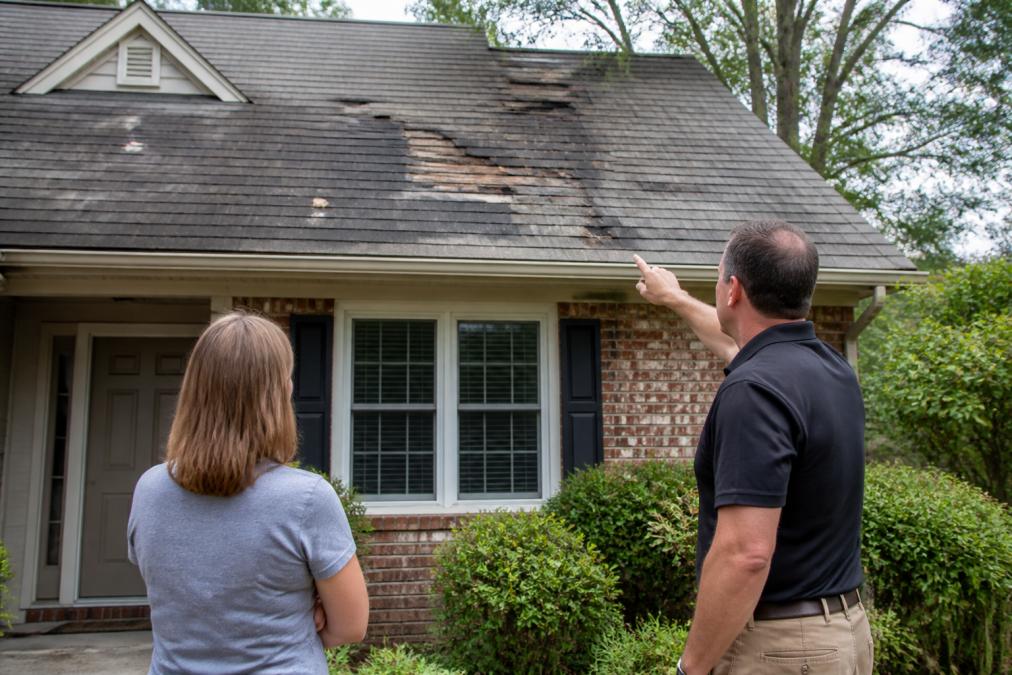
Step 1: Assess the scope of damage. Conduct a visual inspection from the ground, looking for curled shingles, missing granules, visible cracks, and water stains. If you're comfortable doing so, a careful attic inspection can reveal water infiltration and structural damage. Document all findings with photos. If damage appears extensive or you're uncomfortable inspecting, hire a professional. This step typically takes 1-2 hours for a thorough homeowner inspection or one to two hours for a professional evaluation.
Step 2: Determine your roof's age. Check your home's records or contact your local tax assessor's office, they often have construction date information. If you can safely access your attic, look for date stamps on the underlayment or original paperwork. Knowing your roof's age is critical because it frames the entire decision. A 10-year-old roof with damage is a patching candidate; a 20-year-old roof is a replacement candidate.
Step 3: Get repair and replacement quotes. Contact at least two qualified contractors and request separate estimates for patching the damaged areas and for full replacement. Ensure quotes specify materials, labor, warranty coverage, and timeline. This comparison reveals the 25% threshold and helps you understand the true cost-per-year calculation. Quality contractors will also identify any hidden damage that might affect the decision.
Step 4: Apply the 25% rule. Calculate 25% of the replacement cost. If repair costs exceed this figure, replacement is the recommended path. If repair costs fall below this threshold, patching becomes the more economical choice, but only if your roof has significant remaining lifespan.
Step 5: Consider your long-term plans. If you plan to stay in your home for 10+ years, replacement makes more financial sense because you'll benefit from the extended lifespan and warranty. If you're planning to sell within 3-5 years, patching might be sufficient to address immediate concerns without the large capital investment. A new roof is a major selling point, but it's also a significant expense that may not fully return on investment in a short timeframe.
Step 6: Factor in energy efficiency and resale value. Newer roofing materials often provide better insulation and reflectivity, reducing cooling costs in warmer months. This can translate to 10-15% energy savings over time. Additionally, a new roof significantly improves curb appeal and is one of the first things potential buyers notice. If resale value is a consideration, replacement often pays dividends.
Step 7: Make your decision and schedule work. Once you've completed this framework, the decision should become clear. If you choose patching, schedule the work during dry weather to minimize complications. If you choose replacement, plan for 5-7 days of disruption and ensure your contractor carries proper insurance and licensing.
Conclusion
The choice between patching and replacing aging roof shingles ultimately depends on three interconnected factors: the extent of damage, your roof's age, and the financial calculation between short-term repair costs and long-term replacement value. The 25% rule provides a clear benchmark, but your specific situation, your roof's remaining lifespan, your long-term plans for the property, and the scope of hidden damage, should guide your final decision.
When you're facing this decision, working with experienced professionals makes all the difference. Certified Roofing Solutions Inc. specializes in helping homeowners navigate exactly this scenario. Our team conducts thorough inspections to identify both visible and hidden damage, provides transparent repair and replacement estimates, and guides you through the decision-making process with your best interests in mind. We handle insurance claim navigation, ensuring you understand your coverage and maximize your benefits. Book an appointment today to get a professional assessment and take the guesswork out of one of your home's most important maintenance decisions.
Frequently Asked Questions
Is it better to patch a roof or replace it?
It depends on the extent of damage and your roof's age. Patching works for isolated damage on roofs under 15 years old with less than 25% affected area. Replacement is necessary for roofs nearing the end of their lifespan, widespread damage, or repeated repairs. A professional inspection reveals which option protects your investment long-term and prevents costly water infiltration and structural damage.
What is the 25% rule for roofing?
The roofing 25% rule states that if damage or deterioration affects more than 25% of your roof's surface, replacement is more cost-effective than patching. This threshold accounts for the law of diminishing returns, multiple repairs on an aging roof cost nearly as much as replacement but offer no warranty protection. It's a benchmark professional inspectors use to recommend the best path forward.
How do I know if my roof shingles are failing?
Watch for curling or cupped shingle edges, granule loss (visible in gutters or downspouts), missing shingles, visible flashing damage, and dark stains indicating mold or moisture. Interior signs include water stains on ceilings, attic moisture, or daylight visible through the roof deck. These signs of roof shingle deterioration warrant immediate professional inspection to assess whether patching or replacement is necessary.
Should a 20-year-old roof be replaced?
Most asphalt shingle roofs last 15-20 years. At 20 years, your roof has reached the end of its typical lifespan and is at high risk for systemic failure. Even if it appears intact, the underlayment and roof decking may be compromised, making replacement the safer choice. A professional inspection can confirm whether your specific roof warrants immediate replacement or has a few more years of service life remaining.