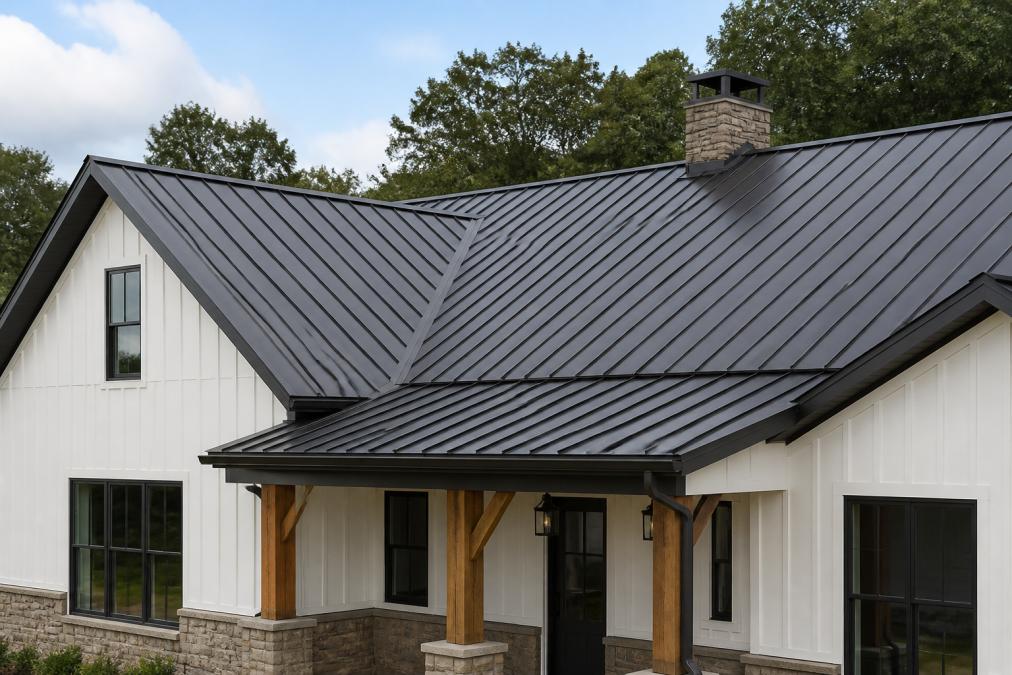
 comparison
Is Metal Roofing Worth It? A 2026 Homeowner's Review
Table of Contents
- Metal Roofing: The Investment Case
- Metal vs Shingle Roof Cost Comparison
- Metal Roof Lifespan and Durability
- Metal Roofing Insurance Discounts and Premium Impact
- Resale Value and Home Equity Benefits
- Noise, Weather Resistance, and Practical Considerations
- DIY vs Professional Installation: Risks and Reality
- Conclusion: Is Metal Roofing Right for Your Home?
- Frequently Asked Questions
Last Updated: August 22, 2026
Metal Roofing: The Investment Case
Is metal roofing worth it for residential homes? The answer depends on your climate, timeline, and what you value in a roof. Metal roofing has moved from niche to mainstream, but the decision hinges on factors beyond the material itself.
The core tension is clear: metal roofing costs more upfront, but lasts longer, performs better in severe weather, and can lower insurance premiums. Whether those benefits justify the initial investment depends entirely on your situation. This guide breaks down what you need to know to decide confidently.
Metal vs Shingle Roof Cost Comparison
Asphalt shingles represent the lowest upfront cost. Metal roofing costs more per square foot in material and labor, requiring precise installation, proper underlayment, and experienced crews.
The real comparison is cost over time. Asphalt shingles typically need replacement every 15-20 years, while metal roofing performs for 40-70 years depending on material and climate (peer-reviewed research). One metal roof might last through two or three asphalt cycles, making total cost of ownership favor metal for homeowners staying 20+ years.
If you're selling within 10 years, asphalt shingles may make more financial sense unless targeting buyers who value metal roofing. Get pricing from contractors who regularly install metal roofing, inexperienced crews charge more due to the learning curve. Certified Roofing Solutions Inc. provides expert residential and commercial roofing services, including metal installations.
| Roofing Type | Typical Lifespan | Maintenance Frequency | Weather Resistance | Initial Cost Level |
|---|---|---|---|---|
| Asphalt Shingles | 15-20 years | Annual inspections, frequent repairs | Moderate (hail, wind vulnerable) | Low |
| Metal Roofing | 40-70 years | Minimal (rare repairs) | Excellent (hail, wind, fire resistant) | High |
| Metal Standing Seam | 50-70 years | Minimal | Excellent | High |
| Metal Exposed Fastener | 40-50 years | Moderate (fastener checks) | Very Good | Medium-High |
Metal Roof Lifespan and Durability
Metal roofing's durability reputation is earned through real performance. The material doesn't degrade like asphalt, which loses granules, becomes brittle in UV exposure, and develops leaks as seal strips weaken.
Lifespan depends on specific material and climate. Galvanized steel offers solid corrosion resistance. Aluminum resists corrosion naturally and works well in coastal environments. Copper lasts indefinitely but costs significantly more. Zinc coatings on steel provide excellent protection and self-heal when scratched.
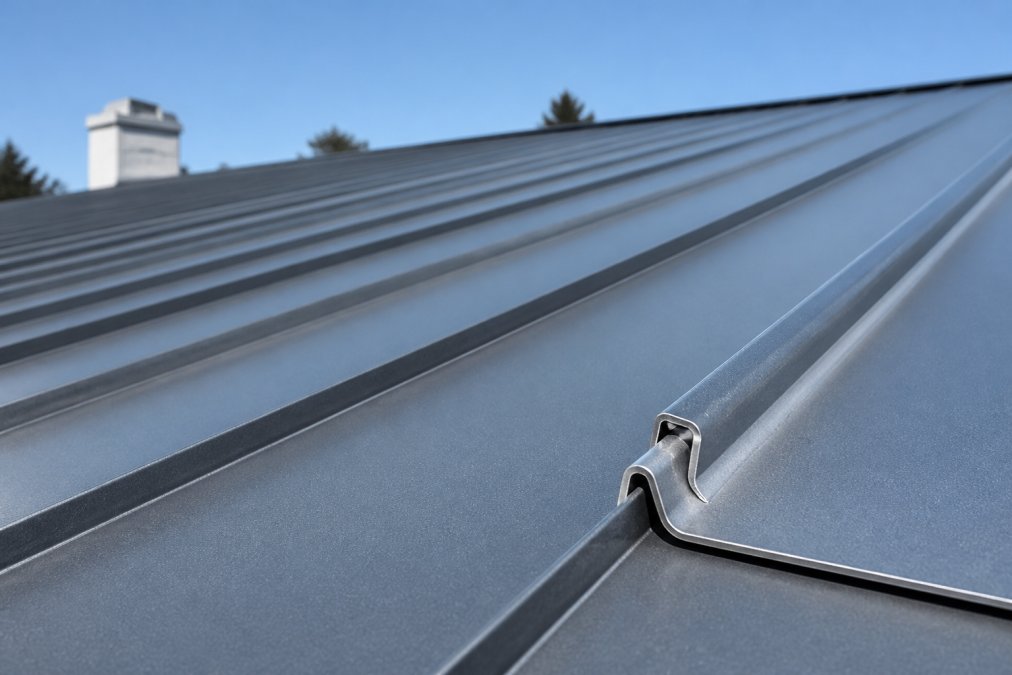
Standing seam design, where vertical seams are mechanically locked rather than fastened through the surface, eliminates the primary failure point: fastener corrosion. This design outperforms exposed fastener systems.
Real durability depends on installation quality. Improper underlayment, inadequate flashing, or fasteners driven at wrong angles compromise even premium materials. A poorly installed metal roof fails faster than a well-installed asphalt roof. A properly installed metal roof outlasts almost anything else on your home.
Metal roofing handles thermal expansion and contraction better than expected. Quality installation accounts for this through proper fastening systems and expansion allowances. Cheap installations that ignore thermal movement develop fastener pop-through and seam separation.
Metal Roofing Insurance Discounts and Premium Impact
Insurance companies recognize that metal roofing reduces certain risks and price accordingly. Discounts vary by insurer and location but are substantial enough that homeowners recoup meaningful portions of installation investment through lower premiums.
Metal roofing qualifies for discounts primarily because of fire and wind resistance. Class A fire rating is standard, meaning it resists ignition and doesn't contribute to fire spread (astm.org). Asphalt shingles typically earn Class C ratings. In wildfire-prone areas, this difference can yield 10-15% discounts (iii.org).
Wind resistance also affects insurance pricing. Metal roofing's interlocking design and superior fastening withstand high winds better than shingles. In hurricane-prone regions, this translates to lower premiums. Hail resistance matters too, metal doesn't dent easily, and structural integrity remains intact even when it does.
Before investing expecting insurance savings, contact your insurer directly about discounts for your specific situation. Document installation with photos and retain warranty information. Some insurers require certification or proof of Class A fire rating.
Resale Value and Home Equity Benefits
Metal roofing affects resale value depending on your market, buyer profile, and whether it's perceived as an upgrade. In markets where metal roofing is common, it adds value. In conservative markets dominated by asphalt shingles, some buyers view it skeptically.
Aesthetic matters significantly. Modern standing seam metal roofing looks contemporary and appeals to many buyers. A well-installed roof in the right color enhances curb appeal and signals quality to potential buyers, potentially justifying a higher asking price.
You might recover 60-80% of your installation investment at resale depending on market conditions and remaining lifespan. For long-term homeowners, durability benefit matters more than resale value.
Noise, Weather Resistance, and Practical Considerations
Metal roofing's noise reputation is exaggerated but has truth. Without proper underlayment and insulation, it amplifies rain sounds. With quality installation including sound-dampening underlayment, noise difference from asphalt is minimal.
Synthetic or fiberglass-based underlayment with acoustic properties absorbs sound transmission. Specify acoustic underlayment in your contract, the added cost is minimal compared to total roof investment.
Weather resistance is where metal roofing excels. Hail impact doesn't compromise integrity like it does with asphalt. Wind uplift is resisted better through superior fastening and seam design. Standing seam metal roofing withstands winds well beyond asphalt capabilities. In severe weather regions, metal roofing proves its value repeatedly.
Fire resistance is absolute, metal doesn't burn. In wildfire-prone regions, this provides genuine protection. Snow load handling is another advantage; metal's smooth surface allows snow to slide off more easily, reducing weight accumulation. However, you'll need proper snow retention systems if you want snow for insulation value.
Light-colored metal roofing reflects solar heat effectively, reducing cooling costs 10-15% in hot climates, less in moderate climates.
DIY vs Professional Installation: Risks and Reality
Metal roofing installation looks straightforward but involves technical details that separate professional results from amateur disasters. While DIY saves labor costs, mistakes create problems costing far more than labor savings.
Proper fastening is critical. Fasteners must be driven at precise angles and depths. Drive them too deep and you compress the seal washer, creating leaks. Drive them too shallow and the washer doesn't seal. Fastening pattern also matters, spacing affects thermal expansion handling.
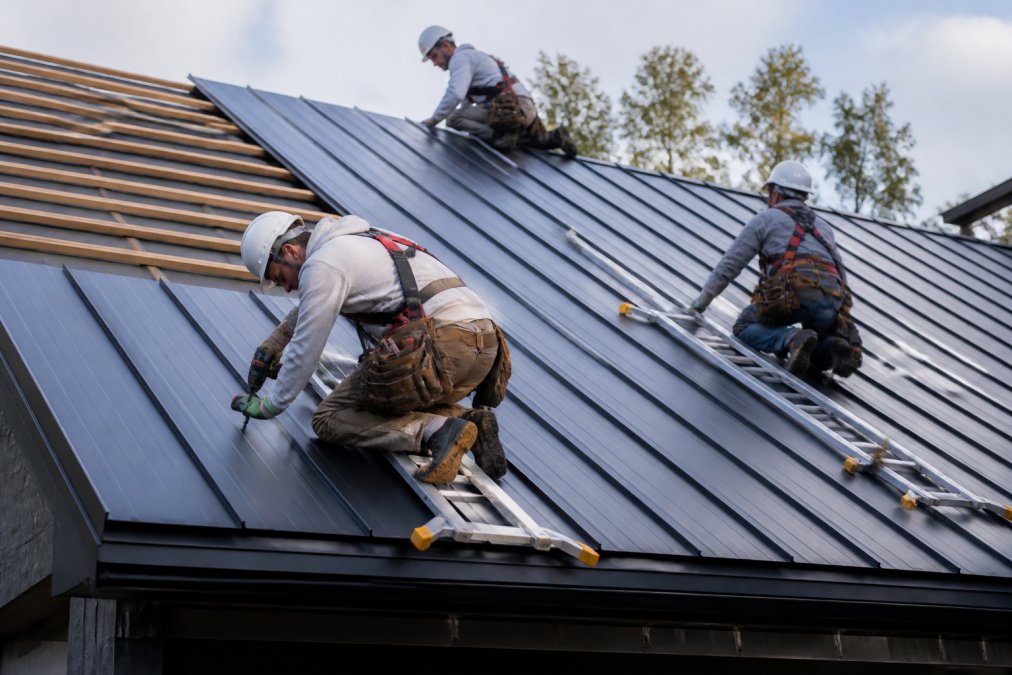
Underlayment installation requires attention to overlap and fastening patterns. Improper underlayment creates moisture pathways leading to rot and mold. Flashing details at valleys, penetrations, and edges are where most DIY failures occur, a single mistake creates leaks traveling along underlayment.
Safety is major. Metal roofing installation involves working at height on sloped surfaces with slippery materials. Fall risk is substantial. Professional crews use proper fall protection and safety protocols.
Warranty implications are significant. Most metal roofing warranties are void if installation doesn't follow specifications. Professional installation includes workmanship warranties. DIY installation voids both. Insurance and liability are additional concerns, your homeowner's insurance may not cover injuries during DIY roof work.
DIY might save 30-40% of labor costs, but repair costs for mistakes typically exceed original labor savings. Professional installation costs more upfront but includes expertise, warranties, and protection that justify the expense.
Conclusion: Is Metal Roofing Right for Your Home?
Metal roofing is worth it for homeowners planning long-term residence, living in severe weather climates, or prioritizing durability and minimal maintenance. The upfront cost is real, but the 40-70 year lifespan and superior extreme weather performance make the investment rational for the right situation.
It's not right if you're selling within 10 years, live in mild climates where asphalt performs adequately, or need to minimize initial expenses. In those scenarios, traditional roofing makes more financial sense.
The decision depends on your timeline, climate, and values. If durability, weather resistance, and long-term cost of ownership matter most, metal roofing delivers.
Professional installation is non-negotiable. Technical requirements are too specific for DIY work, and warranty implications are too significant. Certified Roofing Solutions Inc. provides expert residential and commercial roofing services, including metal roofing installation. Book an appointment today to discuss your roofing needs and get an accurate assessment of whether metal roofing is the right investment for your home.
Metal roofing's durability and weather resistance make it a smart long-term investment for homeowners committed to staying in their homes and living in severe weather climates. Certified Roofing Solutions Inc. provides expert metal roofing installation, proper underlayment selection, and flashing details that ensure reliable performance for decades. Contact us to schedule a consultation and discover how metal roofing can protect your home while enhancing curb appeal and resale value.
Frequently Asked Questions
What are the biggest downsides of metal roofing for residential homes?
The primary drawbacks include higher upfront installation costs compared to asphalt shingles, potential noise during heavy rain or hail without proper underlayment, and the need for a qualified contractor to ensure proper installation. Some homeowners also report concerns about paint finish durability on certain metal types over 20+ years, and the material requires specific roof pitch and structural considerations. However, many of these issues are manageable with correct installation and maintenance.
How do metal roofing insurance discounts compare to other roofing materials?
Insurance companies often view metal roofing favorably due to its superior fire resistance, wind uplift performance, and hail impact durability. Many insurers offer premium discounts ranging from 5-35% depending on the metal type, hail rating, and your location. These discounts can significantly offset the higher installation cost over the roof's lifespan. Contact your insurance provider for specific discount eligibility before installation to understand your potential savings.
How long does a metal roof typically last compared to asphalt shingles?
Metal roofing typically lasts 40-70 years depending on material type (aluminum, steel, or copper) and climate conditions, while asphalt shingles last 15-25 years. Galvanized steel and aluminum offer excellent corrosion resistance, and proper underlayment extends durability. This longer lifespan means fewer replacements over your home's lifetime, making metal roofing a strong long-term investment despite higher initial costs.
Will a metal roof increase my home's resale value?
Metal roofing can enhance curb appeal and increase resale value by 1-6% depending on your market and home type. Buyers appreciate the durability, energy efficiency, and lower maintenance requirements. However, resale value gains depend on local buyer preferences, the roof's condition, and overall market conditions. In some regions, metal roofing is highly sought after; in others, traditional asphalt may be more common. Consult local real estate professionals to assess impact in your specific area.
Can I install a metal roof myself, or do I need a professional?
Professional installation is strongly recommended. Metal roofing requires specialized knowledge of underlayment installation, proper fastener placement, thermal expansion management, and weatherproofing techniques. Improper installation can lead to water infiltration, structural damage, and voided warranties. Additionally, working at height poses serious safety risks. Professional installers have the tools, experience, and liability insurance to complete the job correctly and safely.