 How-to
How to Hire a Professional Roof Inspector After a Storm
Quick Summary
Hiring a professional roof inspector after storm damage is the best way to find hidden problems like lifted shingles, damaged flashing, and wet insulation that you cannot see from the ground. Choose a local, licensed, insured inspector who provides a written report, and treat the inspection and any repair as two separate decisions.
- Hidden storm damage can let water in slowly and cause leaks weeks later.
- Vet inspectors by checking local address, licensing, insurance, and references before booking.
- Ask whether a free inspection covers the attic and interior or only the roof surface.
- Stay off the roof, and take dated photos of visible damage before any repairs.
- Request a written report you can keep and share with your insurance adjuster.
Table of Contents
- Why a Roof Inspection Matters After a Storm
- Signs of Storm Damage You Can Spot From the Ground and Inside Your Home
- Safe Homeowner Triage Before the Inspector Arrives
- How to Choose a Roofing Contractor for a Storm Inspection
- What Happens During a Professional Roof Inspection, Step by Step
- What a Roof Inspector Costs and What Free Inspections Include
- Documenting Damage and Working With Your Insurance Claim
- Booking Your Post-Storm Roof Inspection With Certified Roofing Solutions Inc.
- Frequently Asked Questions
Why a Roof Inspection Matters After a Storm
Last Updated: November 2, 2026
If a storm just hit your home, the roof is the first place to check, and hiring a professional roof inspector after a storm is often the smartest move you can make.
A roof takes a beating from high winds, hail, and falling debris. Small damage can grow into big repair bills if no one catches it early. A trained inspector knows where to look and what the signs mean, so you do not have to guess.
Hidden damage that does not cause an immediate leak
Some storm damage never shows up as a drip on your ceiling right away. Water can slip under a lifted shingle and sit on the roof deck for weeks before it causes stains or mold.
- Cracked or lifted shingles let water in slowly
- Damaged flashing around vents and chimneys can leak over time
- Loose nails or torn underlayment may not show until the next heavy rain
- Attic insulation can get wet without any sign on the ceiling below
This is why a visual check from the yard is not enough. A professional inspection can look at parts of the roof that a homeowner usually cannot see.
Signs of Storm Damage You Can Spot From the Ground and Inside Your Home
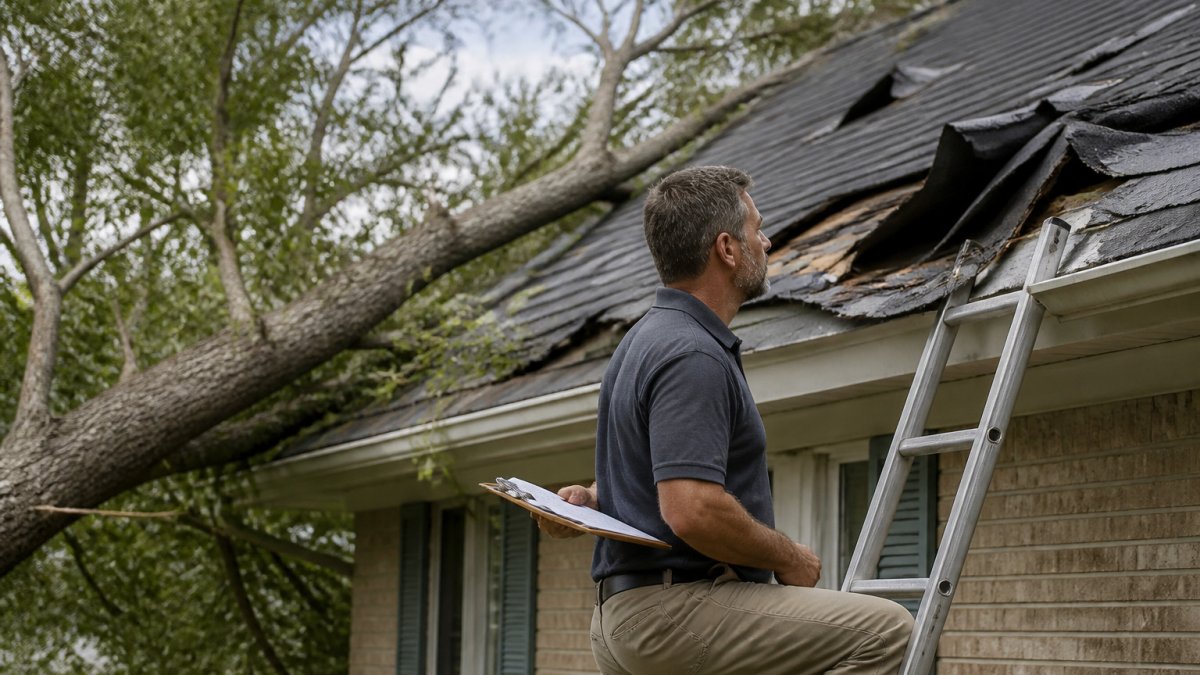
You can often spot the first warning signs yourself, and they are worth checking. Look for shingles in your yard, dented gutters or downspouts, and bent or missing flashing.
Inside the house, look for new water spots on ceilings or walls, peeling paint near the top of a wall, and musty smells in the attic.
For a closer look at what to check, read our guide on [how to inspect your roof after a storm].
Safe Homeowner Triage Before the Inspector Arrives
Before the inspector shows up, take a few safe steps to limit further damage. Stay off the roof, especially when it is wet, steep, or still has debris from the storm. Falls cause far more injuries than storm damage itself.
Here is what you can do from the ground or inside your home:
- Move valuables and furniture away from wet ceilings
- Place buckets or towels under active drips
- Take photos of any visible damage from several angles
- Note the date and time of the storm and any leaks you see
- Cover broken windows or openings with a tarp if it is safe to do so
If water is actively coming into the house, a temporary tarp may help. Our article on [emergency roof tarping tips after storm damage] explains what to do and what to avoid.
How to Choose a Roofing Contractor for a Storm Inspection
Not every company that knocks on your door after a storm is a good choice. Some are storm chasers who travel from town to town and leave before problems show up. Choosing carefully protects your home and your wallet.
A good place to start is with local companies that have been working in your area for years. Ask for proof of licensing and insurance, and check that the contractor is willing to put the inspection in writing.
A checklist for vetting a roof inspector
Use this checklist before you agree to any inspection or repair:
- Local business address and phone number you can verify
- Current state and local licensing, if required
- General liability and workers' compensation insurance
- Written inspection report included with the service
- Clear explanation of what the inspection covers
- References from recent local jobs
- No pressure to sign a contract the same day
Be cautious about anyone who says the inspection is free but then pushes a large repair right away. Ask whether the inspector is neutral or also sells repairs, and read the written terms carefully.
What Happens During a Professional Roof Inspection, Step by Step
A professional inspection follows a clear process so nothing gets missed. Knowing the steps helps you ask better questions and understand the report.
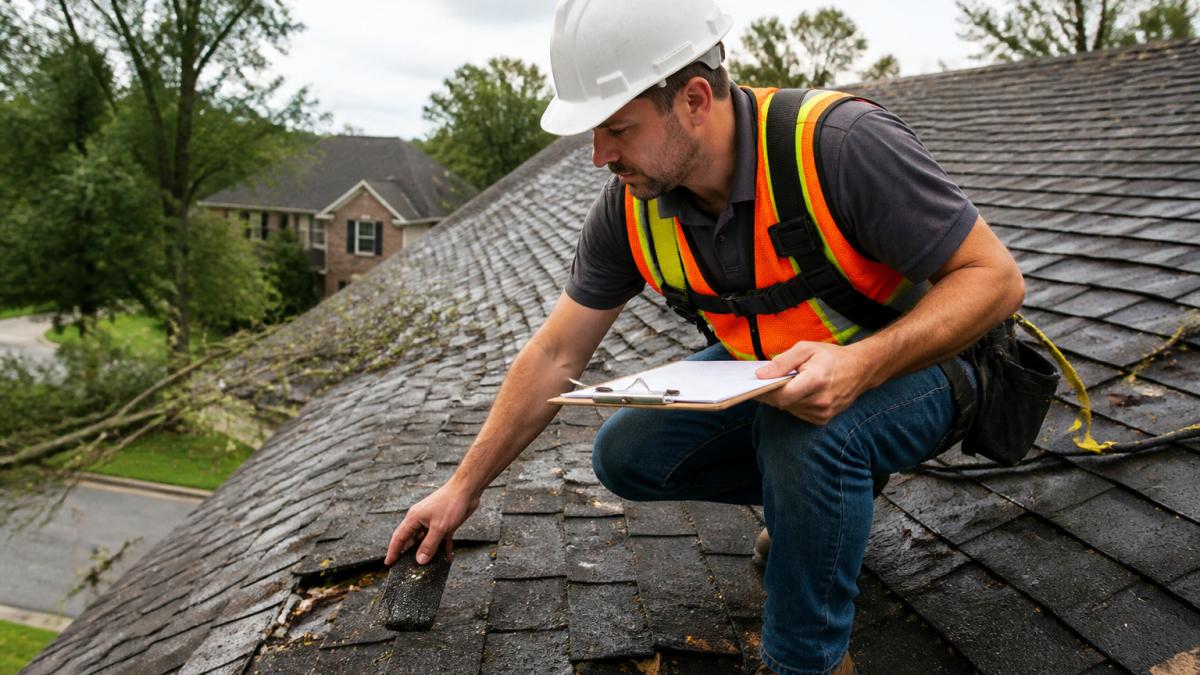
- Exterior walk-around: The inspector checks gutters, siding, and the yard for debris and damage.
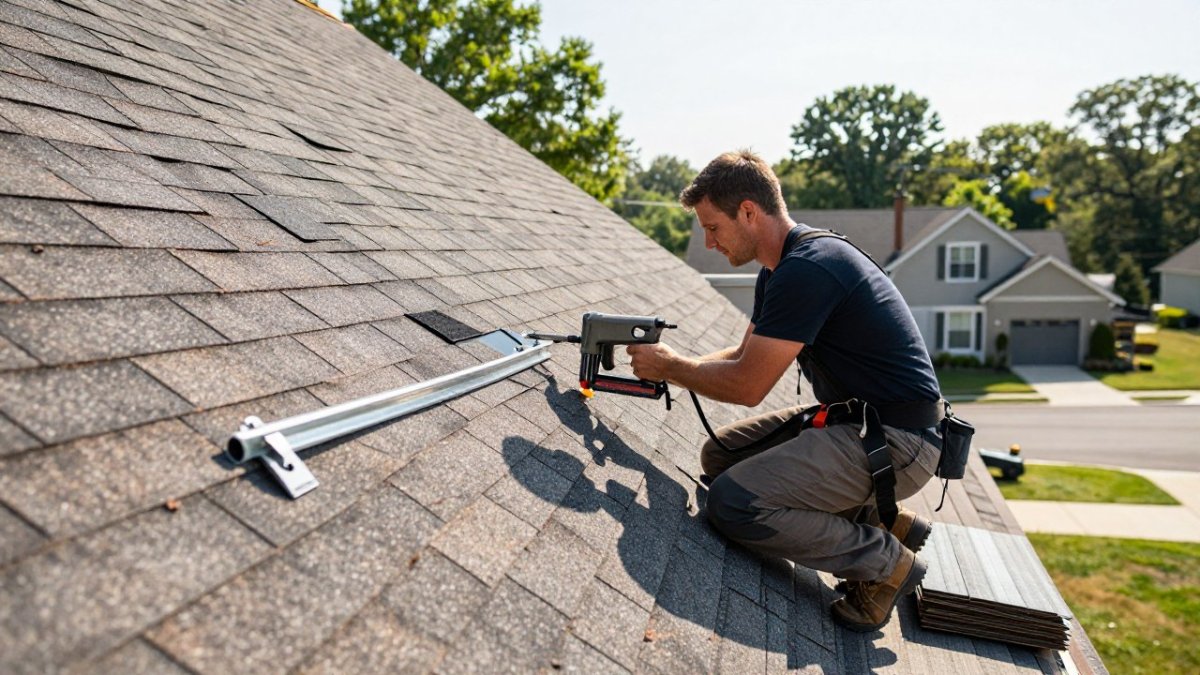
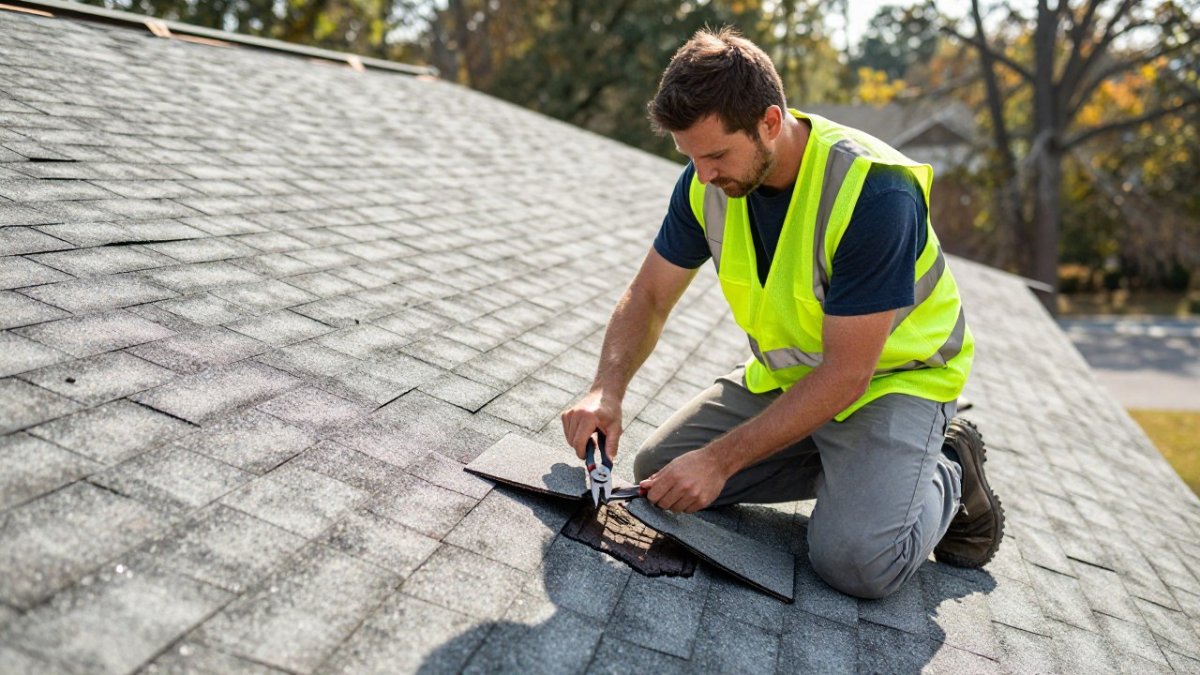
- Roof surface check: Shingles, flashing, vents, and chimneys are examined closely, often on the roof itself.
- Attic inspection: The inspector looks for water stains, wet insulation, and daylight coming through the roof deck.
- Interior check: Ceilings and walls are checked for new stains or soft spots.
- Written report: You receive photos and notes that show what was found and how urgent each repair is.
A good inspector explains each finding in plain language and separates urgent repairs from items that can wait. Ask for the report in writing so you can compare it with any repair estimates.
What a Roof Inspector Costs and What Free Inspections Include
Inspection pricing is one of the least transparent parts of the post-storm process, and the phrase "free roof inspection" means different things depending on who is offering it. Understanding the typical structure helps you compare offers without getting surprised later.
Typical pricing structures
Roof inspections generally fall into three pricing models:
- Free visual inspection. Usually a walk-around and a look at the roof surface, often with photos, provided at no charge. The company is typically a roofing contractor that expects to bid on any repair work. The inspection is free because the repair is the product.
- Flat-fee inspection. A set fee for a defined scope, commonly including the roof surface, flashing, attic, and a written report with photos. The fee is paid regardless of whether you hire the company for repairs, which keeps the inspection independent of the sales outcome.
- Fee credited toward repairs. Some companies charge for the inspection but apply the fee to the repair cost if you hire them. Ask whether the credit expires and whether it applies to the full repair or only part of it.
Exact dollar amounts vary widely by region, roof size, roof pitch, and how much of the attic and interior is accessible. Ask for the price in writing before the visit, and ask what changes the price (steep pitch, multiple stories, tile or metal roofing, limited attic access).
What a free inspection usually does and does not include
A free inspection is a real service, but its scope is usually narrower than a paid one. Common limits:
- Roof surface only. The inspector may look from the ground, from a ladder at the eaves, or with a drone rather than walking the roof.
- No attic or interior check. Hidden damage often shows up in the attic first, and a free inspection may not include it.
- Verbal findings instead of a written report. You may get a summary on site rather than a document with photos you can keep and share with your insurer.
- A repair proposal attached. The free inspection is often the front end of a sales process, so the findings may be framed around the repair the company wants to sell.
None of that makes a free inspection worthless. It makes it important to ask what is included before you book.
Questions that reveal the real scope
Ask these before you schedule, and get the answers in writing where possible:
- Does the inspection include the attic and interior, or only the roof surface?
- Will I receive a written report with photos, and can I keep it even if I do not hire you?
- Is there any charge if I decide not to proceed with repairs?
- Does the free inspection require me to sign a contract or authorize work?
- Is the person inspecting the roof also the person paid on repair sales?
Watch out: a free inspection that ends with a demand for a same-day repair contract is a sales tactic, not an inspection. You are entitled to read the report and get a second opinion before committing to any repair.
A practical approach is to treat the inspection and the repair as two separate decisions. Get the written findings first, compare them against your insurer's adjuster report if you file a claim, and then decide who does the work. That sequence keeps the inspection useful whether or not you hire the company that performed it.
The article breaks down the three common inspection pricing models and what a free inspection usually leaves out.
| Pricing model | How it works | Watch for |
|---|---|---|
| Free visual inspection | No charge, often roof surface only | Company expects to bid on repairs |
| Flat-fee inspection | Set fee for defined scope | Fee is paid whether or not you hire them |
| Fee credited toward repairs | Fee applied to repair if you hire | Check if the credit expires |
| Free inspection scope | Usually roof surface only | No attic or interior check |
| Free inspection report | Often verbal, not written | Ask for photos you can keep |
Documenting Damage and Working With Your Insurance Claim
Good documentation makes the insurance process easier. Take clear photos and videos of all visible damage before any repairs begin.
When you file a claim, your insurance company may send its own adjuster to inspect the roof. Ask the inspector to share the report with you and to explain what was found.
Many homeowners find that a clear inspection report helps the claim move faster. If you disagree with the adjuster's findings, ask for a written explanation and consider getting a second opinion.
Booking Your Post-Storm Roof Inspection With Certified Roofing Solutions Inc.
If your roof took damage in a storm, the next step is a professional inspection. Certified Roofing Solutions Inc. serves homeowners and property managers in its service area.
We believe you should know what you are paying for before any work starts. Contact us today to book an appointment and get your storm damage checked.
Frequently Asked Questions
How long after a storm can you report roof damage?
Most homeowners should report storm damage to their insurer as soon as they notice it, because most policies require prompt notice and deadlines vary by policy and state. Many policies set a window measured in months, but waiting can weaken a claim and allow further water intrusion. Schedule a professional inspection quickly after the storm, photograph any visible damage before making temporary repairs, and keep receipts for emergency work. Check your policy's notice requirements or call your agent to confirm the deadline that applies to you.
How much does it cost to hire a roof inspector?
Inspection pricing depends on the size and pitch of the roof, the level of detail requested, and whether the inspector also writes a formal report for insurance purposes. Certified Roofing Solutions Inc. does not publish fixed inspection prices, so the most accurate figure comes from a written quote. Ask whether the fee is credited toward repairs if you hire the company, and confirm whether the inspection includes attic access and photo documentation. Contact Certified Roofing Solutions Inc. through its website to request a quote for your property.
What qualifications should a professional roof inspector have?
Look for a contractor holding a current license in your jurisdiction, general liability and workers' compensation insurance, and a track record of documenting storm damage in your area. Certifications from roofing manufacturers or industry training programs signal familiarity with specific roofing systems. Ask for references and proof of insurance before the inspection, and confirm whether the inspector will provide a written report with photos. A qualified inspector explains findings clearly and does not pressure you into an immediate replacement.
Can a roof inspector help document damage for an insurance claim?
Yes. A detailed inspection report with dated photographs, measurements, and a description of each damaged area gives your insurer clear evidence of storm-related loss. Ask the inspector to note the storm date, identify wind or hail impact marks, and document both visible and attic-level damage. Share the report with your insurance adjuster and keep a copy for your records. The inspector's findings support your claim but do not replace the insurer's own adjuster review.