 blog
blog
6 Benefits of Professional Roof Inspection
Table of Contents
- What a Professional Roof Inspection Actually Covers
- Benefit 1: Early Detection of Roof Damage and Hidden Leaks
- Benefit 2: How to Identify Storm Roof Damage Before It Spreads
- Benefit 3: Extending Roof Lifespan and Avoiding Emergency Repairs
- Benefit 4: Insurance Claim Documentation and Support
- Benefit 5: Energy Efficiency, Home Safety, and Resale Value
- Average Cost of Roof Inspection and What You Get
- Roof Inspection Checklist for Homeowners
- Frequently Asked Questions
Last Updated: September 14, 2026
What a Professional Roof Inspection Actually Covers
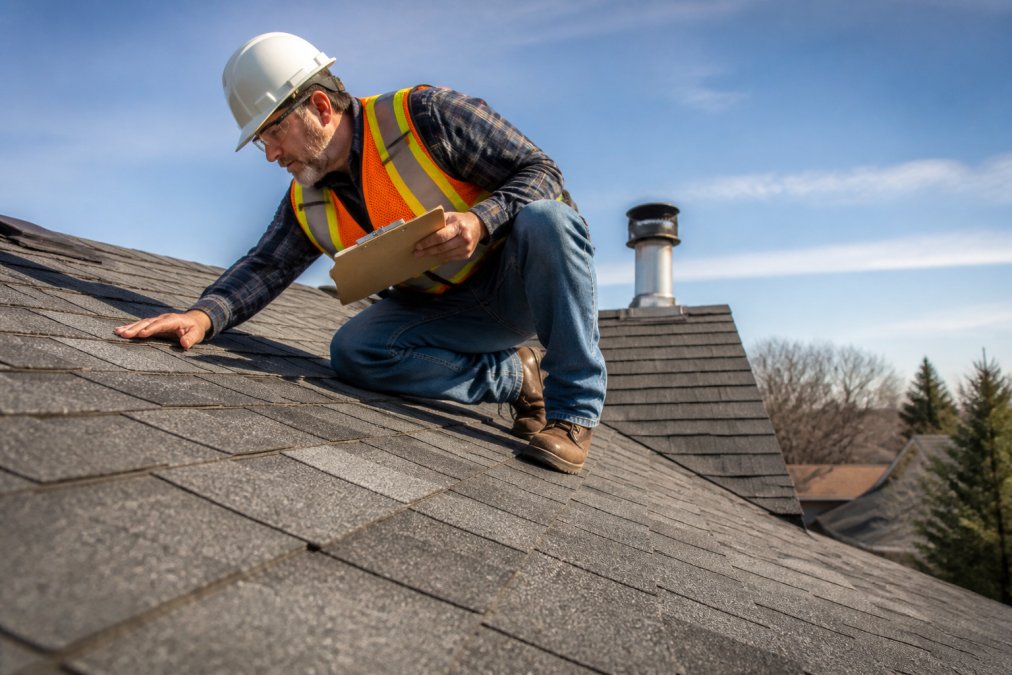
A professional roof inspection is a top-to-bottom assessment of your roofing system, performed by a trained contractor who examines the shingles, flashing, underlayment, gutters, attic, and structural decking for signs of damage or wear. It is not a quick glance from the driveway. At Certified Roofing Solutions Inc., we treat every roof inspection as a full diagnostic, because the problems that cost homeowners the most money are the ones you cannot see from the ground.
Here is the uncomfortable truth most homeowners learn too late: the leak you notice on your ceiling is usually the last symptom to appear, not the first. By the time water stains show up, moisture has often been sitting in your attic for months, feeding mold growth and quietly rotting the decking beneath your shingles.
A proper inspection covers the full roofing system:
- Surface materials: shingles, tiles, or metal panels checked for cracking, curling, and granule loss
- Flashing and seals: the metalwork around chimneys, vents, and valleys where water intrusion most often starts
- Underlayment and decking: the layers beneath the surface, which rarely fail visibly but matter enormously
- Attic and ventilation: insulation, rafters, and airflow, checked for moisture damage and mold growth
- Gutters and drainage: the channels that move water away from your foundation
- Penetrations: pipes, skylights, and satellite mounts, each one a potential entry point
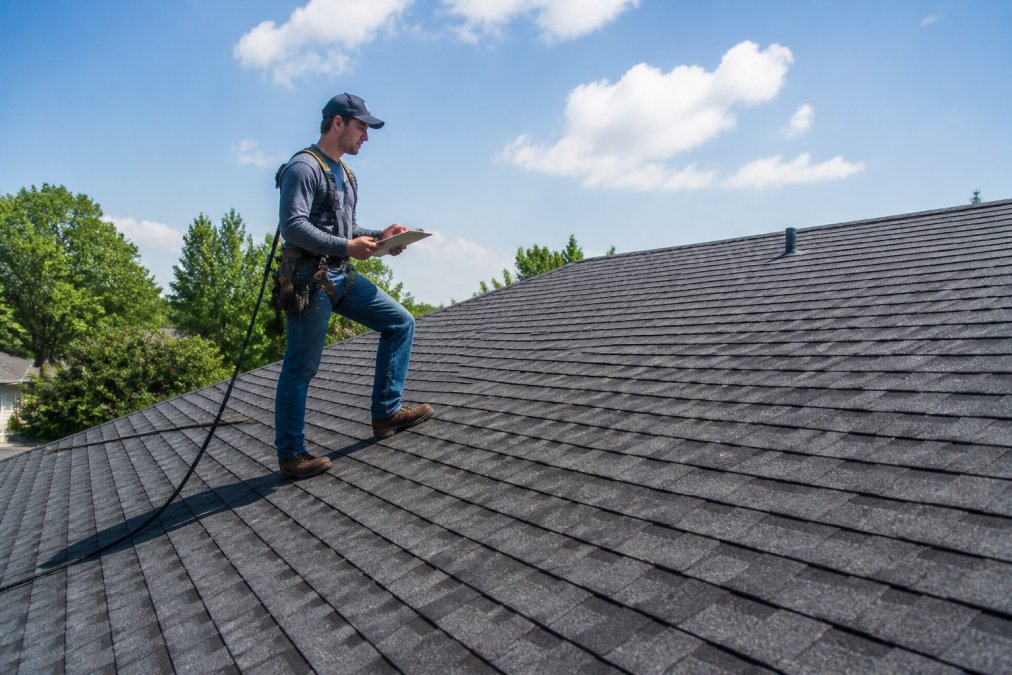
The NRCA guidelines on roof system inspections recommend periodic professional assessments because most roofing failures develop gradually and invisibly before they become obvious. That single fact explains why the benefits below all trace back to the same principle: catching problems while they are still cheap to fix.
Benefit 1: Early Detection of Roof Damage and Hidden Leaks
Early detection is the single most valuable outcome of a roof inspection, because roofing problems compound. A cracked flashing seal that lets in a trickle of water during one storm becomes saturated insulation, stained ceilings, and a compromised roof deck within a single season.
What makes hidden leaks so dangerous is where they hide. Water rarely enters directly above the stain on your ceiling. It travels along rafters, pools in low spots, and surfaces far from the actual breach. A contractor trained in leak detection traces that path back to its source, using methods like moisture meters and thermal imaging to find water where the eye cannot.
A professional assessment also catches the small stuff before it becomes structural: nail pops, deteriorated pipe boots, and hairline cracks in flashing that a homeowner would never spot from a ladder. Catching these early is what separates a minor preventive repair from a major restoration project.
Benefit 2: How to Identify Storm Roof Damage Before It Spreads
Storm damage is deceptive, and knowing how to identify storm roof damage early is what keeps a small repair from becoming a full replacement. Hail, high winds, and driving rain can compromise a roof without leaving obvious marks at ground level.
After a storm, these are the signs worth checking:
- Granule loss: shingle granules collecting in gutters or at downspout outlets, which signals surface erosion
- Bruising and dents: soft spots on shingles or dents in gutters and vents, classic hail indicators
- Lifted or missing shingles: tabs that have lost their seal and can be peeled back by wind
- Bent flashing: chimney and vent flashing twisted out of position, opening a path for water intrusion
- Interior clues: new stains, musty odors, or daylight visible through the attic
Here is the part most storm-damage guides skip: the damage that matters most for your insurance claim is often the least visible. A contractor documenting the roof right after a storm, with dated photos and a written assessment, creates the evidence trail that supports a claim. Wait a few weeks, and the adjuster may attribute the damage to age instead.
That timing problem is exactly why a prompt inspection after severe weather matters. The sooner the damage is identified and documented, the stronger your position.
Benefit 3: Extending Roof Lifespan and Avoiding Emergency Repairs
Regular inspections extend roof lifespan by catching the small failures that accelerate shingle degradation. A roof that is professionally assessed once a year, with minor issues addressed promptly, will typically outlast an identical roof that is ignored until something breaks (nrca.net).
The economics here are straightforward. Preventive repairs, resealing flashing, replacing a few damaged shingles, clearing debris from valleys, cost a fraction of what emergency repairs and premature replacement run. Roofing materials age faster when water sits on them, when attic ventilation is poor, and when debris traps moisture against the surface. Each of those conditions is something an inspection surfaces before it does lasting harm.
Emergency repairs also carry hidden costs beyond the invoice: temporary tarps, water damage to insulation and drywall, and the disruption of dealing with a crisis during a storm season. A scheduled inspection turns those emergencies into routine maintenance.
Benefit 4: Insurance Claim Documentation and Support
Insurance claim documentation is where a professional roof inspection pays for itself fastest. Insurers require evidence that damage is storm-related rather than the result of age or neglect, and a documented inspection provides exactly that.
Most homeowners do not realize how much rides on the paper trail. A claim backed by dated photographs, a written damage assessment, and a clear record of the roof's prior condition is far harder to dispute than a claim built on a homeowner's description alone. When the cause of damage is ambiguous, the documentation often decides the outcome.
This is also where experience with the claims process matters. Navigating the paperwork, meeting the adjuster on site, and translating the damage assessment into the language insurers expect is a skill set of its own. At Certified Roofing Solutions Inc., we provide support through that process so the claim reflects the actual scope of damage rather than a rushed first estimate.
If you are unsure whether your damage justifies a claim, an inspection answers that question with evidence instead of guesswork.
Benefit 5: Energy Efficiency, Home Safety, and Resale Value
Energy efficiency, home safety, and resale value all improve when a roof is professionally maintained, because each depends on the same underlying factor: a roofing system that performs as designed. A roof with compromised insulation, poor attic ventilation, or hidden moisture damage wastes energy, creates hazards, and drags down your property valuation.
The energy connection is easy to underestimate. When attic insulation is wet or ventilation is blocked, conditioned air escapes and your heating and cooling systems work harder than they should (energy.gov). Correcting those issues after an inspection improves energy efficiency and lowers utility bills over time.
Safety matters just as much. Moisture damage in the attic can lead to mold growth, which affects indoor air quality, and a weakened roof deck is a genuine hazard during the next storm. These are not cosmetic concerns.
On resale, a documented inspection history is a real asset. Buyers and their inspectors scrutinize the roof closely, and a roof certification backed by maintenance records removes one of the biggest sources of negotiation friction. A well-maintained roofing system signals a well-maintained home, which supports a stronger property valuation.
Average Cost of Roof Inspection and What You Get
The average cost of a roof inspection varies widely depending on roof size, pitch, material, and whether the inspection is tied to a repair or claim, so the honest answer is that pricing depends on your specific roof. What matters more than the number is understanding what you are actually buying.
A paid inspection typically includes a full exterior and attic assessment, photo documentation, a written report of findings, and a recommended scope of work. A free inspection, by contrast, is usually a sales visit: the goal is to quote a job, and the "inspection" is often a surface-level look designed to generate a proposal.
Here is the comparison that most homeowners never see laid out:
| Factor | Free Inspection | Paid Inspection |
|---|---|---|
| Primary goal | Generate a repair quote | Diagnose the full roofing system |
| Scope | Visible surfaces, often from ground or ladder | Exterior, attic, flashing, ventilation, drainage |
| Documentation | Minimal or verbal | Photos, written report, findings |
| Insurance support | Rarely included | Often includes claim documentation |
| Best for | Quick visual confirmation | Pre-purchase, insurance claims, aging roofs |
The takeaway: a free inspection is fine when you already know what you need. A paid inspection is the better long-term investment when you need a real diagnosis, want documentation for an insurance claim, or are managing an older roof.
For current pricing on inspections in your area, reach out to Certified Roofing Solutions Inc. for a quote tailored to your roof.
Roof Inspection Checklist for Homeowners
A roof inspection checklist for homeowners helps you spot developing problems between professional visits, and it takes about fifteen minutes from the ground and inside your attic. You will not catch everything a contractor catches, but you will catch the warning signs early enough to act.
From the ground:
- Scan the roofline for missing, cracked, or curling shingles
- Check gutters for granule buildup, which signals shingle degradation
- Look for sagging areas or uneven sections along the roof plane
- Inspect flashing around chimneys and vents for bends or gaps
- Note any debris, moss, or standing water in valleys
In the attic:
- Look for water stains, dark streaks, or discoloration on rafters and decking
- Check for musty odors, which point to moisture damage
- Confirm insulation is dry and evenly distributed
- Verify ventilation openings are clear and unobstructed
- Look for daylight showing through the roof boards
After a storm:
- Check for new interior stains or damp spots
- Inspect the yard and gutters for displaced shingle granules
- Photograph any visible damage with a date reference
- Schedule a professional assessment before filing a claim
A DIY check is a useful early-warning tool, but it has real limits. You cannot safely walk a pitched roof, you cannot read the condition of underlayment, and you cannot document damage in the format an insurer expects. Use the checklist to know when to call a professional, not to replace one.
Roof problems rarely announce themselves. They develop quietly, hidden under shingles and inside attic framing, until the damage is expensive. A professional roof inspection is how you get ahead of that timeline, catching small issues while they are still small and building the documentation you need if a storm or a claim ever forces the question.
Certified Roofing Solutions Inc. provides residential and commercial roofing services, including thorough inspections, repairs, and installations, with a team experienced in handling everything from storm damage claims to specialized commercial roofing systems. Our approach is built around tailored solutions and a commitment to results that hold up over time.
Book an appointment with Certified Roofing Solutions Inc. today and get a clear, documented picture of your roof's condition before the next storm decides it for you.
Frequently Asked Questions
How often should you have a professional roof inspection?
Most roofing professionals recommend a roof inspection once a year, plus after any major storm with hail or high winds. Homes with older roofs or heavy tree cover may need inspections every six months. Scheduling in spring and fall catches seasonal wear before it turns into water intrusion. If your roof is under warranty, annual inspections also help you keep coverage valid, since most manufacturers require documented maintenance.
What does a professional roof inspection include?
A full inspection covers shingles, flashing, underlayment, gutters, attic ventilation, and roof penetrations like vents and chimneys. Inspectors check for shingle degradation, granule loss, cracked sealant, and moisture damage in the attic. You should receive a written report with photos, a roof assessment, and recommended preventive repairs.
Is a professional roof inspection worth the cost?
Yes, in most cases. A paid inspection gives you a documented roof assessment you can use for insurance claims, warranty coverage, and resale disclosures. Catching a small flashing failure early usually costs far less than repairing structural damage, mold growth, or a full roof replacement. Free inspections often come with sales pressure, while a paid inspection from an independent contractor gives you an honest picture of your roof's condition.
Can a roof inspection help with insurance claims?
It can make or break a storm damage claim. Insurers want documentation showing the date of damage, the cause, and the extent of the loss. A professional inspection produces dated photos, moisture readings, and a written report that supports your claim. Without that evidence, adjusters may deny or reduce payouts. Many roofing contractors also provide assistance with claims, which can help streamline the process.