 listicle
Roof Inspection Cost in Georgia: What to Expect
Table of Contents
- Roof Inspection Cost in Georgia: Pricing Breakdown
- Factors Influencing Roof Inspection Pricing
- What Is Included in a Professional Roof Inspection
- How Long Does a Roof Inspection Take
- Signs of Storm Roof Damage to Watch For
- Roof Certification Cost and Insurance Requirements
- Choosing a Qualified Roofing Inspector
- Conclusion
- Frequently Asked Questions
Last Updated: August 24, 2026
Roof Inspection Cost in Georgia: Pricing Breakdown
A roof inspection in Georgia typically ranges based on several factors, but understanding what influences the final cost helps homeowners make informed decisions. Whether you're dealing with storm damage, aging shingles, or insurance requirements, the roof inspection cost varies significantly depending on roof size, material type, and inspection complexity. At Certified Roofing Solutions Inc., we've helped homeowners navigate this process and understand exactly what they're paying for.
The cost of a roof inspection depends on whether you need a basic visual assessment or a comprehensive structural evaluation. Many homeowners discover that a thorough professional inspection costs more upfront but prevents thousands in hidden damage repair costs down the line. Insurance companies often require specific types of inspections before approving claims, which adds another layer to pricing considerations.
What most guides miss is that the cheapest inspection isn't always the best value. A contractor who spends 30 minutes on your roof might miss water intrusion in your attic, flashing issues, or early signs of rot that become expensive problems. The real difference between a basic inspection and a more comprehensive one comes down to thoroughness, equipment used, and the inspector's ability to identify problems before they escalate.
Factors Influencing Roof Inspection Pricing
Several variables determine what you'll pay for a professional roof inspection. The most obvious factor is roof size, measured in square footage. A 1,500-square-foot ranch home with a simple roof pitch costs less to inspect than a 4,000-square-foot two-story colonial with multiple angles, valleys, and architectural complexity.
Roof material also plays a significant role. Inspecting architectural shingles, metal roofing, or flat commercial membranes requires different expertise and equipment. A roofing professional trained in TPO membrane assessment, for example, brings specialized knowledge that commands higher inspection fees than basic asphalt shingle evaluation.
The condition of your roof at inspection time affects pricing too. If you're requesting a post-storm assessment after severe weather, inspectors often charge more because they're looking for specific damage patterns and may need to use thermal imaging or moisture detection equipment. A routine maintenance inspection on a well-maintained roof takes less time and expertise than investigating potential structural compromise.
Your roof's age and accessibility matter as well. Older roofs with deteriorated surfaces require more careful assessment to avoid causing additional damage during inspection. Roofs that are difficult to access, steep pitches, multiple levels, or surrounded by tall trees, require additional safety equipment and time, which increases the inspection fee.
What Is Included in a Professional Roof Inspection
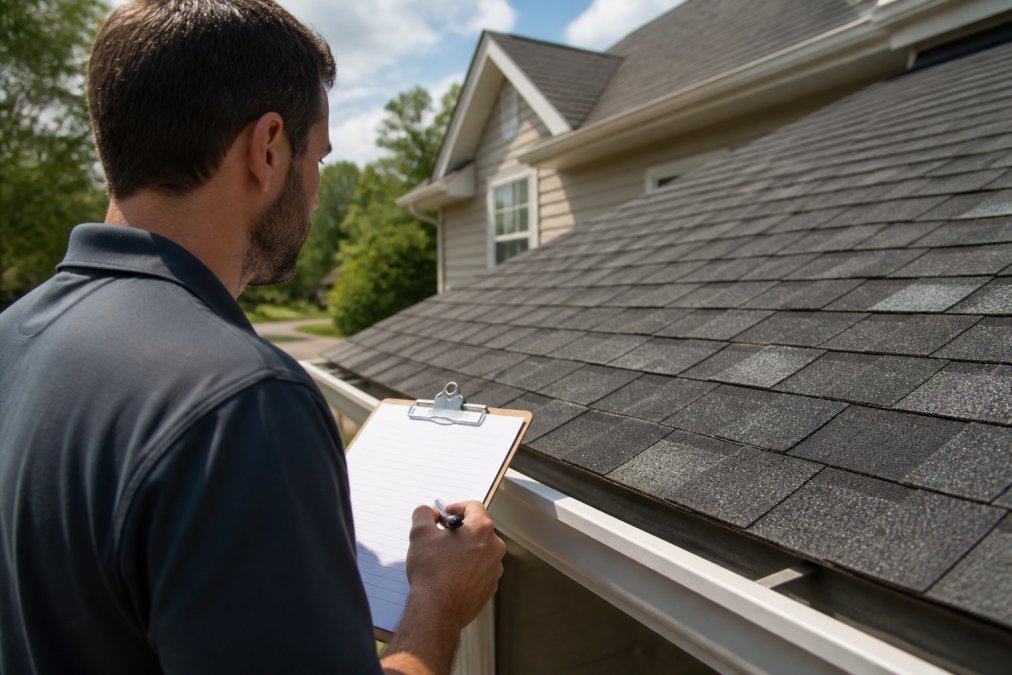
A comprehensive roof inspection covers far more than just looking at shingles. The inspector begins with a visual assessment of the roof surface, examining shingles for curling, missing pieces, blistering, or discoloration that indicates age or weather damage. They check the roof pitch and overall structural integrity from multiple angles.
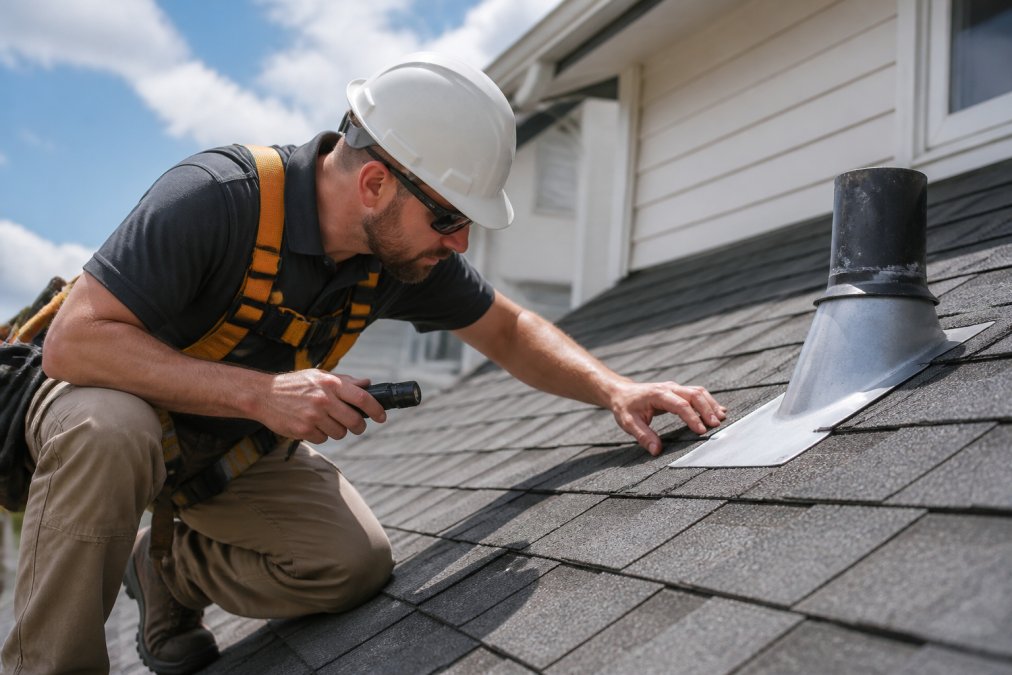
Flashing inspection is critical. The areas where your roof meets chimneys, vents, skylights, and walls are common leak points. A qualified inspector examines these transitions carefully, checking for separation, rust, or deterioration. Gutter system evaluation includes checking for debris accumulation, proper drainage, and signs of water overflow that indicate roof problems.
The inspector evaluates attic ventilation and checks for moisture intrusion signs. Many hidden roof problems first appear as water stains, mold, or condensation in the attic space. A thorough inspection includes looking for these warning signs and assessing whether your roof's ventilation system is functioning properly.
Soffit and fascia inspection ensures these components aren't rotting or showing signs of pest damage. The inspector also examines the roof's overall condition and estimates its remaining life expectancy based on material type, visible wear, and climate exposure. For commercial properties, this might include checking membrane seams, penetrations, and drainage systems on flat roofs.
Many inspectors provide a detailed maintenance report documenting findings with photographs. This report becomes invaluable if you need to file an insurance claim or justify repair decisions to contractors or lenders.
How Long Does a Roof Inspection Take
A typical residential roof inspection takes between 30 minutes and 90 minutes, depending on roof size and complexity (nahi.org). A straightforward inspection of a 1,500-square-foot single-story home with a basic roof pitch usually takes 45 minutes. Larger homes or roofs with multiple levels, valleys, and architectural features take longer.
The inspector needs time to safely access different areas, document conditions thoroughly, and examine both the roof surface and underlying components. Rushing through an inspection compromises the quality of assessment. If an inspector promises to complete your roof inspection in 15 minutes, they're not conducting a legitimate evaluation.
Post-storm inspections often take longer because the inspector is searching for specific damage patterns and may need to use specialized equipment like thermal imaging to detect moisture or hidden damage. Insurance inspections sometimes require additional documentation and photography time.
The time investment pays off. A thorough inspection that takes 90 minutes prevents costly surprises. A rushed 15-minute walkthrough often misses problems that emerge months later when they've become expensive structural issues.
Signs of Storm Roof Damage to Watch For
After severe weather, homeowners should know what damage indicators warrant a professional inspection. Missing or damaged shingles are the most obvious sign, look for bare spots on your roof or shingles in your yard after a storm. Curled or lifted shingles suggest wind damage that compromises water protection even if the shingles haven't been completely removed.
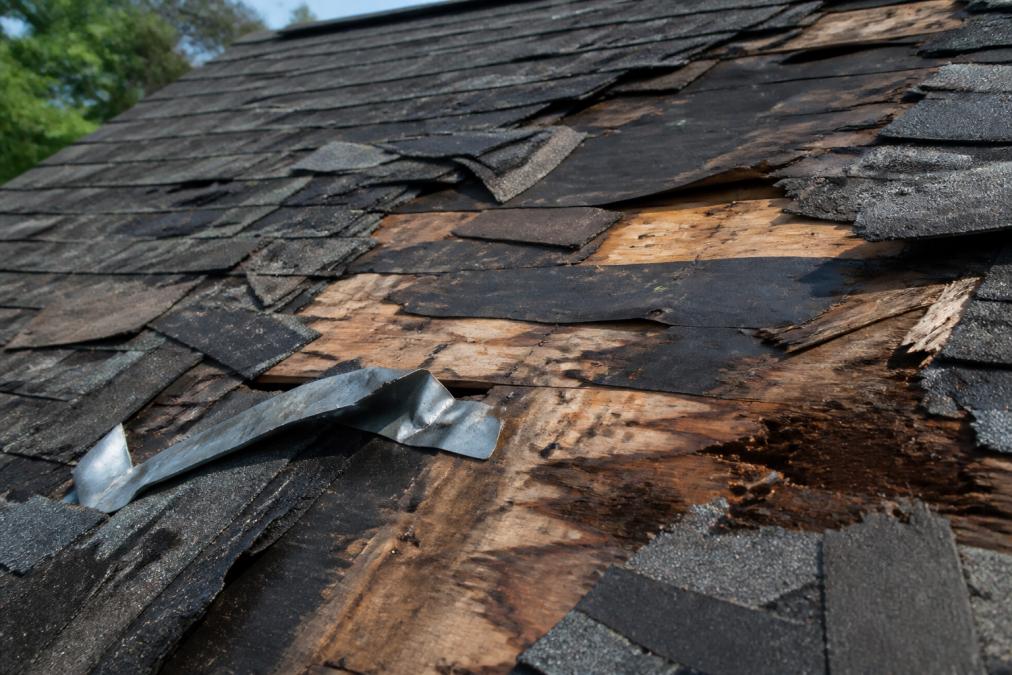
Dented or cracked flashing around chimneys and vents indicates impact damage. Hail often creates small indentations in shingles that aren't immediately obvious but compromise the roof's water-shedding ability. Granule loss, where your gutters fill with grit from shingle surfaces, suggests impact damage that's weakened the shingles' protective layer.
Interior signs matter too. Water stains on ceilings or attic framing, new leaks that appear after a storm, or mold growth in attic spaces all point to roof damage. Some homeowners don't realize their roof was damaged until they discover water problems weeks or months later.
The thing nobody tells you about storm damage is that insurance companies often require inspection documentation within a specific timeframe. Waiting too long after a storm can jeopardize your ability to file a claim. This is why scheduling a professional inspection quickly after severe weather is critical.
Roof Certification Cost and Insurance Requirements
Many insurance companies require roof certification before issuing or renewing homeowners policies. A roof certification is a formal document from a licensed inspector stating that your roof meets certain standards and doesn't pose an insurance risk. This differs from a standard inspection in that it carries legal weight for insurance purposes.
Roof certification costs vary based on whether you already have an inspection report or need a separate certification visit. If you've recently had a professional inspection, many inspectors can issue certification based on that report. If certification is required without a recent inspection, you'll need to schedule a dedicated certification appointment.
Insurance companies often have specific requirements for what constitutes acceptable roof condition. Some insurers require roofs to be less than a certain age, with no more than a specific percentage of damaged shingles, and with visible structural integrity. Understanding your policy's roof requirements helps you know what inspection findings mean for your coverage.
According to National Association of Insurance Commissioners guidance on homeowners insurance, roof age is one of the most common factors affecting policy eligibility and premium rates. Older roofs may require more frequent inspections or higher deductibles.
Post-storm inspections for insurance claims follow specific protocols. Your insurance company may require inspection from a licensed professional they approve, and the inspection report becomes part of your claim documentation. This is why hiring a qualified, licensed inspector matters, their credibility with insurance companies directly affects claim approval.
Choosing a Qualified Roofing Inspector
Not all roof inspectors are equally qualified. A legitimate roofing professional should be licensed in your state and carry proper insurance. Many states require roofing contractors and inspectors to hold specific licenses, and you should verify credentials before hiring (nrca.net).
Look for inspectors who are members of professional organizations like the National Association of Certified Home Inspectors or the American Society of Home Inspectors. These organizations maintain standards for inspection practices and inspector qualifications. Industry certifications indicate the inspector has training beyond basic roofing knowledge.
Experience matters significantly. An inspector who has evaluated hundreds of roofs in your region understands local climate challenges, common damage patterns, and material performance in your specific area. Someone new to roofing inspection or working outside their region may miss problems that an experienced local professional would catch immediately.
Ask about the inspection process before hiring. A qualified inspector should explain what they'll examine, what equipment they'll use, and what kind of report you'll receive. They should provide written documentation with photographs, not just verbal observations.
Certified Roofing Solutions Inc. brings professional expertise to roof inspections with a team trained to identify structural integrity issues, material defects, and maintenance needs. Our inspectors document findings thoroughly and explain recommendations clearly, helping homeowners understand their roof's condition and what actions are necessary.
Conclusion
Understanding roof inspection costs in Georgia requires knowing what factors influence pricing and what constitutes a thorough professional assessment. The cheapest inspection isn't the best value if it misses hidden damage that becomes expensive problems later. A qualified inspector examining your roof's condition, structural integrity, and maintenance needs provides protection for your home and documentation for insurance purposes.
When you're ready to move forward with a professional roof inspection, Certified Roofing Solutions Inc. offers comprehensive assessment services with detailed reporting and clear recommendations. Our team of experienced professionals identifies damage, explains findings in plain language, and helps you understand your roof's remaining life expectancy and maintenance priorities. Book an Appointment Today to schedule your inspection and get the professional assessment your home deserves.
Understanding your roof's condition protects your home from costly water damage and helps you make informed maintenance decisions. A professional roof inspection cost in Georgia is an investment that prevents far more expensive repairs down the line. Certified Roofing Solutions Inc. provides expert inspections with thorough documentation, helping homeowners and property managers understand exactly what they're dealing with and what action is needed next. Get started with a professional assessment and experience the peace of mind that comes from knowing your roof is in good hands.
| Inspection Type | Typical Scope | Best For | Key Benefit |
|---|---|---|---|
| Basic Visual Inspection | Surface assessment, visible damage only | Routine maintenance checks | Lower cost, quick turnaround |
| Comprehensive Inspection | Full roof evaluation, attic assessment, detailed report | Pre-purchase, insurance requirements | Identifies hidden damage, documentation for claims |
| Certification Inspection | Licensed assessment with formal documentation | Insurance policy requirements | Legal weight for insurance purposes |
| Post-Storm Inspection | Damage-specific assessment, often with thermal imaging | After severe weather events | Supports insurance claim documentation |
Frequently Asked Questions
How much does a roof inspection typically cost?
Roof inspection pricing varies based on roof size, complexity, and the type of inspection needed. For a standard residential roof condition assessment, costs depend on square footage and whether thermal imaging or additional structural integrity checks are required. Contact Certified Roofing Solutions Inc. for a customized quote based on your specific property and inspection scope.
How long does a roof inspection take?
A typical residential roof inspection takes 30 minutes to 2 hours, depending on roof size, pitch, and accessibility. Larger commercial properties or inspections requiring thermal imaging and detailed maintenance reports may take longer. The inspector will perform a visual inspection of shingles, flashing, gutters, soffit and fascia, and the attic to assess overall roof condition and identify any signs of damage or needed repairs.
What should I look for to identify signs of storm roof damage?
After severe weather, inspect your roof for missing or cracked shingles, bent flashing, damaged gutters, and debris impact marks. Look inside your attic for water stains, moisture intrusion, or daylight coming through the roof deck. Check for curled or lifted shingles, granule loss, and compromised underlayment. If you notice any of these signs of storm roof damage, contact a licensed contractor immediately for a professional assessment and potential insurance claim documentation.
What does roof certification cost, and do I need it?
Roof certification cost varies based on your insurer's requirements and the scope of the inspection. Many insurance companies require a roof certification when claims involve storm damage or if your roof is nearing the end of its life expectancy. A certified roofing professional will document the roof's condition, age, and structural integrity in a formal report. Contact your insurance agent and Certified Roofing Solutions Inc. to determine if certification is required for your situation.