 listicle
Best Roofing Contractors in Marietta: 2026 Guide
Table of Contents
- Top Roofing Contractors in Marietta
- How to Vet a Roofing Contractor
- Signs You Need a New Roof
- Getting a Roof Replacement Cost Estimate
- Insurance Claim Support and Assistance
- Roofing Material Types and Durability
- Roof Maintenance and Prevention
- Frequently Asked Questions
Last Updated: August 20, 2026
Top Roofing Contractors in Marietta
Finding the right roofing contractor in Marietta means choosing licensed expertise, transparent pricing, and genuine commitment to workmanship. The best contractors understand local building codes, navigate insurance claims, and deliver results that withstand Georgia's weather.
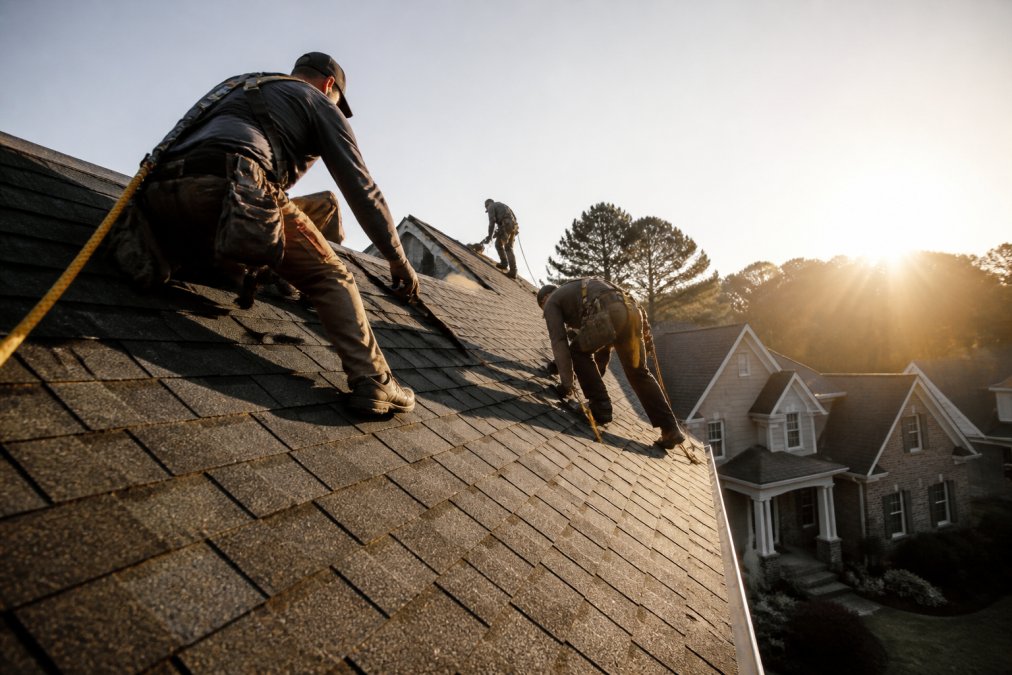
This guide covers what separates top roofing contractors from the rest, how to evaluate them, and what to expect from the process.
Certified Roofing Solutions Inc.
Certified Roofing Solutions Inc. stands out for residential and commercial roofing services across Marietta, Alpharetta, Dunwoody, and Johns Creek. They handle emergency repairs, full replacements, and specialized commercial TPO systems.
What sets them apart is equal expertise in both residential and commercial work. They provide free inspections and estimates, transparent pricing before work begins, and insurance claim support. Their experience with asphalt shingles, metal roofing, and commercial systems means recommendations based on your property's actual needs rather than upselling. Licensed, insured professionals handle every project.
Residential Roofing Services
Residential contractors focus on single-family homes and smaller multi-unit properties, understanding challenges like proper ventilation, ice dam prevention, and material choices balancing durability with curb appeal.
A solid residential contractor assesses your roof's age and condition before recommending repair versus replacement. Roofs 15-20 years old with visible damage usually warrant replacement; older roofs with minor issues can be repaired cost-effectively. Residential specialists also handle gutters, flashing repairs, and leak detection, details critical to roof longevity.
Commercial Roofing Specialists
Commercial properties often require different materials and approaches than residential roofs. TPO systems, metal roofing, and flat roof designs demand specific expertise.
Commercial contractors understand building codes differing from residential requirements and handle larger-scale projects with coordination for properties that can't afford downtime. They discuss maintenance programs that prevent emergency repairs and extend roof lifespan while protecting operational continuity.
Emergency Roof Repair and Storm Damage
Storm damage requires quick response and thorough assessment. High winds, hail, and falling branches can compromise roof integrity within hours.
Emergency repair isn't just patching visible damage. Comprehensive inspection catches hidden issues: water damage in the attic, compromised underlayment, or structural damage that won't show until the next heavy rain. Ask whether contractors conduct full inspections or just address visible damage. The comprehensive approach costs more upfront but prevents costly surprises.
How to Vet a Roofing Contractor
Vetting separates contractors who cut corners from those who stand behind their work.
Verify Licensing and Insurance
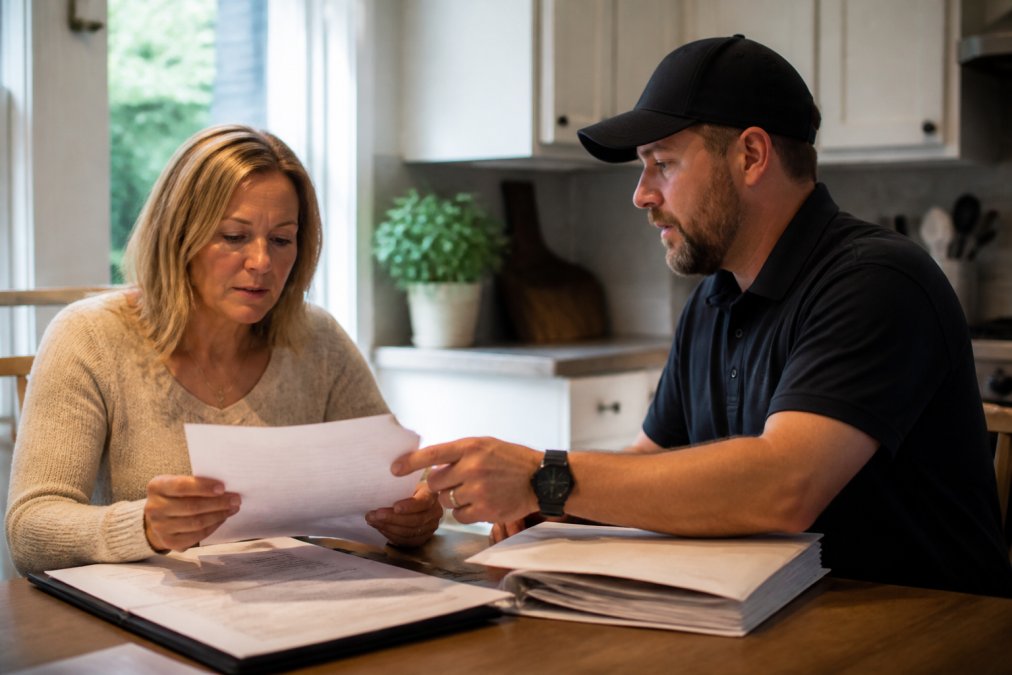
This is non-negotiable. A licensed contractor has passed exams demonstrating knowledge of building codes and safety standards. Insurance protects you if someone is injured on your property or if the contractor causes damage.
Ask for proof of current Georgia licensing and call the licensing board to verify status and check for complaints. Request certificates of insurance verifying both general liability (property damage and injuries) and workers' compensation (employee injuries). A contractor without workers' comp might pressure cash payments, a sign of improper business practices. Don't accept verbal assurance; legitimate contractors provide documentation without hesitation.
Check References and Workmanship Guarantees
References reveal actual performance. Ask for at least three references from work completed in the past two years. Call them and ask specific questions: Did the contractor show up on time? Was cleanup thorough? Would they hire them again?
Workmanship guarantees matter more than material warranties. Material manufacturers guarantee products for 20-30 years; contractor workmanship guarantees, usually 5-10 years, cover installation quality. If the contractor won't guarantee their work, move on.
Signs You Need a New Roof
Age and Material Condition
Most asphalt shingle roofs last 15-25 years depending on climate and maintenance. Metal roofing lasts 40-70 years. If your roof is past 20 years, replacement is likely near regardless of condition.
Look for curling or missing shingles, granule loss, and sagging sections. If more than 25-30% of the roof shows damage, replacement usually makes economic sense.
Visible Damage and Leak Detection
Water stains on ceilings or attic rafters indicate active leaks. Don't ignore them, small leaks become structural damage quickly. Mold growth in the attic is another warning sign.
Visible damage includes missing shingles, cracked shingles, bald spots, and flashing damage around chimneys or vents. After storms, inspect from the ground with binoculars or ask a contractor for a free inspection. Let professionals handle roof access, falls are common.
Getting a Roof Replacement Cost Estimate
Understanding costs prevents sticker shock and helps evaluate contractor pricing fairly.
Free Roof Inspections and Quotes
Reputable contractors offer free inspections and written estimates specifying roofing material, labor costs, old roofing removal, permits, and warranty terms. Vague estimates are red flags.
A thorough inspection takes 30-60 minutes and includes climbing the roof, checking the attic, and examining flashing, gutters, and ventilation. Get at least three estimates. Price variations are normal; the lowest isn't always best (corners may be cut), and the highest might be overpriced. Look for estimates within a reasonable range with clear explanations.
Transparent Material and Labor Cost Breakdown
Asphalt Shingles: For a typical 2,000 square-foot residential roof, material costs range from $3,000-$5,000 for standard three-tab shingles, or $5,000-$8,000 for architectural shingles. Labor typically adds $2,000-$4,000. Total installed cost: $5,000-$12,000.
Metal Roofing: Costs 50-100% more upfront but lasts 40-70 years. Material costs typically run $8,000-$15,000; specialized labor adds $3,000-$6,000. Total installed cost: $11,000-$21,000. Metal reflects heat, reducing summer cooling costs by 10-25%.
Commercial TPO Systems: Material costs typically $4,000-$8,000 for a 2,000 square-foot roof, with labor adding $2,500-$5,000. Total: $6,500-$13,000. TPO is energy-efficient and durable for 15-20 years.
Labor costs vary by contractor experience, roof pitch, and local rates. Always ask contractors to itemize labor separately.
Permit Costs and Local Code Requirements
Building permits are required in Cobb County for roof replacement and most repairs exceeding minor patching. Permit costs typically range from $150-$400. Confirm estimates include permit costs; contractors skipping permits create liability for you.
Cobb County building codes require:
- Proper ventilation: Attic ventilation must meet 1 square foot of net free ventilation area per 150 square feet of attic space.
- Wind resistance: Roofing materials must meet 90+ mph wind speed ratings.
- Flashing and underlayment: Building codes specify flashing materials and require ice-and-water shield underlayment in certain areas.
- Fastener specifications: Nails must be correct type and length for your roofing material.
A contractor familiar with Cobb County codes will mention these requirements without prompting.
Comparing Estimates Fairly
Create a comparison sheet including material type and grade, labor scope, warranty terms, timeline, permit handling, and cleanup. A contractor quoting $7,000 with full removal and new underlayment offers better value than one quoting $5,500 for shingles over existing roofing (a shortcut that voids warranties).
Ask each contractor why their price differs from others. Legitimate reasons include material quality or warranty length. Vague answers are red flags.
Insurance Claim Support and Assistance
Storm damage often qualifies for insurance coverage. Experienced contractors document damage thoroughly, communicate with adjusters, and help ensure fair settlement. Some work directly with insurance companies, simplifying the process.
Ask potential contractors about insurance claim experience and whether they handle claim coordination. A contractor who takes this off your plate reduces stress significantly.
One caution: contractors pressuring you to claim more damage than exists commit insurance fraud. Work with contractors who document actual damage honestly.
Roofing Material Types and Durability
Material choice affects cost, lifespan, maintenance, appearance, and performance in Georgia's climate.
Asphalt Shingles: Affordable and Familiar
Asphalt shingles last 15-25 years in typical conditions, though Georgia's heat and humidity can shorten lifespan. Standard three-tab shingles are budget-friendly but less durable. Architectural shingles are thicker, multi-layered, and typically last 2-5 years longer with better wind and hail resistance.
Climate considerations: Asphalt softens in heat, accelerating granule loss. High humidity promotes algae and moss growth, especially on north-facing slopes. Many homeowners treat roofs with algae-inhibiting products every 2-3 years.
Maintenance: Annual inspections, debris removal, and gutter cleaning are essential. Missing or loose shingles should be replaced promptly. Budget $500-$1,500 annually for maintenance and minor repairs.
Ventilation is critical: Proper attic ventilation prevents heat buildup that accelerates deterioration. Poor ventilation can reduce asphalt roof lifespan by 5+ years.
Metal Roofing: Long-Term Investment
Metal roofing costs 50-100% more than asphalt but lasts 40-70 years. For long-term homeowners, the math often favors metal despite higher upfront cost.
Performance in Georgia: Metal reflects solar heat, reducing cooling costs by 10-25%. It resists hail, wind, and moisture without rotting, warping, or developing algae. Metal is typically rated for 120+ mph winds, providing peace of mind in storm-prone areas.
Installation complexity: Metal requires contractors with specific expertise. Improper fastening, seaming, or flashing leads to leaks and premature failure, which is why labor costs more.
Maintenance: Metal roofs require less maintenance than asphalt. Annual inspections and debris removal remain important, but you won't replace missing shingles or treat algae. Budget $200-$500 annually.
Aesthetics and noise: Modern metal roofing comes in many colors and profiles (standing seam, metal shingles mimicking asphalt or slate). Noise during rain or hail is minimal with adequate attic insulation.
Warranty: Metal typically carries 30-50 year manufacturer warranties and 10-20 year workmanship warranties, reflecting durability.
Commercial TPO Systems: Flat Roof Standard
TPO is the dominant material for flat commercial roofs. It's energy-efficient, affordable, and durable for 15-20 years.
Why TPO dominates: It's flexible, resists UV damage, reflects heat (reducing cooling costs), and is easier to install than older EPDM rubber. Repairs are straightforward.
Installation precision matters: TPO requires proper heat-welded seams and correct fastening. Installation mistakes lead to leaks and premature failure. Only use contractors with demonstrated TPO experience and training.
Maintenance: Annual inspections, debris removal, and minor repairs extend lifespan by 5+ years and prevent emergency repairs disrupting operations. Budget $1,000-$2,000 annually.
Warranty: TPO typically carries 10-20 year manufacturer warranties and 5-10 year workmanship warranties.
Comparing Materials for Your Situation
Choose asphalt shingles if: You're budget-conscious, planning to stay 15-20 years, and willing to perform regular maintenance. Architectural shingles offer better durability for modest additional cost.
Choose metal roofing if: You plan to stay long-term (20+ years), want minimal maintenance, value energy efficiency, or live in a high-wind or hail-prone area. Upfront cost is higher, but 40-70 year lifespan and low maintenance make it cost-effective over time.
Choose TPO (commercial): For flat commercial roofs where durability, energy efficiency, and ease of repair are priorities. Ensure your contractor has specific TPO training.
Ventilation applies to all materials: Proper attic ventilation is non-negotiable. It extends lifespan for asphalt, prevents moisture issues for metal, and supports energy efficiency for all types.
Roof Maintenance and Prevention
Regular inspections, annually and after storms, identify issues early. Debris removal prevents water pooling and moisture damage. Gutter cleaning prevents ice dams and water damage.
For metal roofing, check fasteners periodically. For asphalt shingles, monitor for loose or missing shingles and replace promptly. These small actions prevent cascading damage.
Many homeowners skip maintenance to save money short-term. This typically backfires. A $500 maintenance visit catching a small leak is vastly cheaper than $10,000+ repairs when that leak becomes attic mold and structural damage.
Frequently Asked Questions
How do I verify a roofing contractor's license in Georgia?
Check the Georgia Construction Industry Licensing Board (GCILB) database online to confirm the contractor holds an active license. Ask for their license number during your initial consultation and verify it matches their company name. Licensed roofing contractors must carry this credential to operate legally. Also request proof of insurance and worker's compensation coverage before signing any contract.
What should I look for when hiring a residential roofing contractor?
Verify licensing and insurance, check customer reviews and references, request a detailed written estimate, and confirm they offer warranty coverage on materials and workmanship. Ask how long they've been in business and whether they handle insurance claims. A reputable contractor will provide a free roof inspection and explain any findings clearly. Avoid contractors who demand full payment upfront or pressure you into immediate decisions.
What is the 25% rule for roofing repairs?
The 25% rule suggests that if roof repairs will cost 25% or more of the total roof replacement cost, replacement is often the better investment. Since repairs only extend the life of an aging roof temporarily, replacing a roof nearing the end of its lifespan makes financial sense. Your roofing contractor can calculate this for your specific situation during a free roof inspection and help you decide between repair and replacement.
How long does a typical roof installation take?
Most residential roof replacements take 1 to 3 days, depending on roof size, complexity, and weather conditions. Commercial installations or specialty materials like metal roofing may take longer. Your contractor should provide a timeline during the estimate phase. Weather delays are common, so the project schedule may extend beyond the initial estimate. Professional crews work efficiently while maintaining safety standards and building code compliance.
Choosing the best roofing contractors in Marietta means prioritizing licensed professionals who provide transparent estimates, support insurance claims, and guarantee their workmanship. Certified Roofing Solutions Inc. delivers these fundamentals across residential and commercial projects, with expertise in multiple material types and genuine commitment to results. Get a free inspection and estimate today to understand your roof's condition and what your project actually requires.