 listicle
Best Architectural Shingles for Homes: 2026 Guide
Table of Contents
- Why Architectural Shingles Dominate the Roofing Market
- Architectural vs 3-Tab Shingles: What's the Real Difference?
- Understanding Impact Resistant Shingle Ratings
- What Impacts the Cost of Architectural Shingles per Square?
- Top Architectural Shingle Lines for Homeowners
- How to Choose the Right Shingle for Your Climate
- Installation Factors That Determine Shingle Lifespan
- Final Verdict: Selecting the Best Architectural Shingles
- Frequently Asked Questions
Last Updated: September 6, 2026
Why Architectural Shingles Dominate the Roofing Market
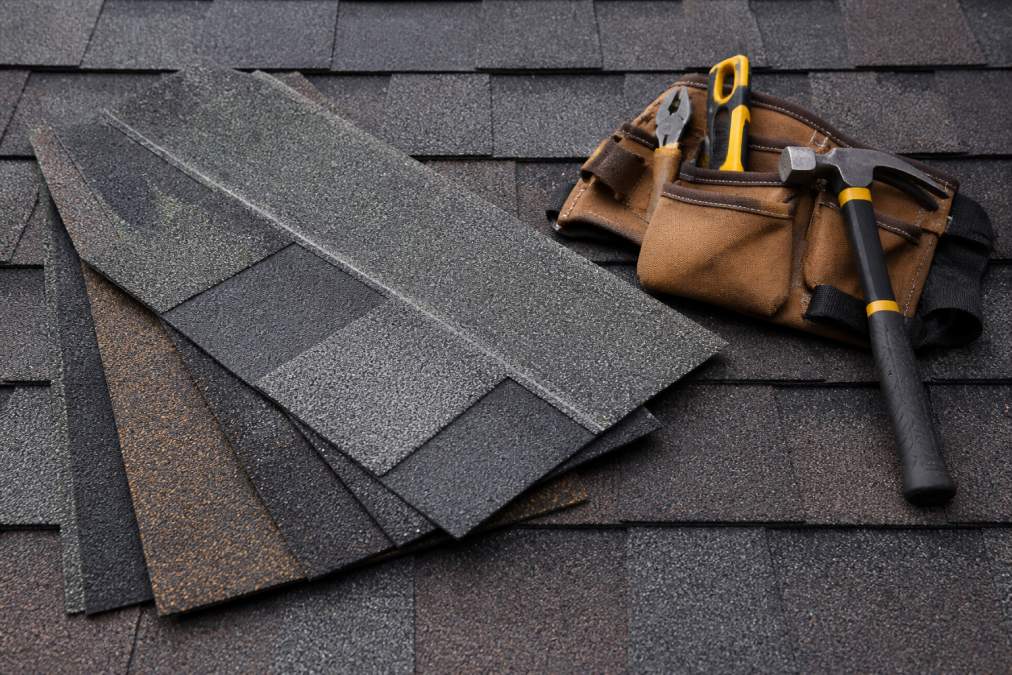
Architectural shingles are the most popular residential roofing material on the market today. Also called laminated or dimensional shingles, they use two layers of material bonded together to create a thicker, more textured profile that mimics natural slate or wood shake.
Because architectural shingles are heavier and denser than their predecessors, they resist wind uplift, impact damage, and granule loss far better. Most manufacturers back them with warranties that stretch well beyond what standard shingles offer.
Architectural vs 3-Tab Shingles: What's the Real Difference?
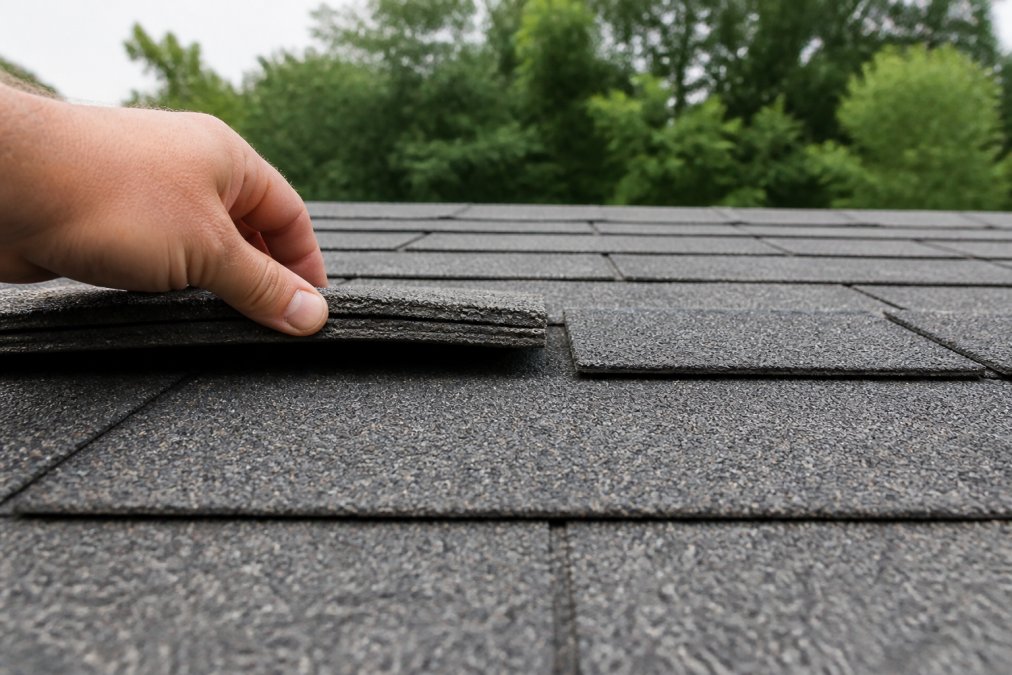
The difference between architectural and 3-tab shingles comes down to construction and performance. Three-tab shingles are a single flat layer with cutouts that make each shingle look like three separate pieces. Architectural shingles, by contrast, are laminated with two or more layers of asphalt-saturated fiberglass mat, creating a textured, dimensional appearance.
| Feature | Architectural Shingles | 3-Tab Shingles |
|---|---|---|
| Construction | Multi-layer laminated | Single flat layer |
| Lifespan | 25-30 years typical | 15-20 years typical |
| Wind resistance | Higher ratings available | Standard ratings only |
| Curb appeal | Dimensional, textured | Flat, uniform |
| Cost per square | Higher | Lower |
Architectural shingles typically weigh 50-60% more per square than three-tab options, which translates directly into better wind uplift resistance. They also handle thermal shock better, so the expansion and contraction that causes curling and blistering in cheaper shingles is less likely to shorten their life.
Understanding Impact Resistant Shingle Ratings
Impact resistant shingle ratings tell you how well a shingle survives hail and falling debris. The gold standard is the UL 2218 test, which fires steel balls at a shingle from varying heights to simulate hailstones. Shingles earn a Class 1 through Class 4 rating, with Class 4 being the highest level of protection.
A Class 4 rating means the shingle survived a 2-inch steel ball dropped from 20 feet without cracking (ul.com). Shingles that achieve this rating use modified asphalt polymers that keep the material flexible enough to absorb impact rather than shatter.
UL Solutions' official impact resistance testing standards define the protocol that manufacturers use to verify these claims. When you compare products, look for the UL 2218 Class 4 designation printed on the packaging. Some insurers offer premium discounts for Class 4 rated roofs, so the rating can offset the higher material cost over time.
What Impacts the Cost of Architectural Shingles per Square?
The price per square (100 square feet) is the number you'll see on a quote, but it's only the entry point. The real financial question is the total cost of ownership (TCO) over the life of the roof.
The Upfront Breakdown: What's in the Price?
The material cost per square is driven by several factors:
- Product tier: Entry-level architectural shingles (e.g., GAF Timberline HD, CertainTeed Landmark Standard) are lighter and have a simpler construction. Premium lines (e.g., GAF Timberline HDZ with LayerLock, Owens Corning Duration with SureNail) use heavier mats, modified asphalt, and advanced granule technology.
- Impact rating: A Class 4 impact-resistant shingle is significantly more expensive than a Class 1 or non-rated shingle. The polymer modification required to pass the UL 2218 test adds cost.
- Color and finish: Darker colors and specialty finishes (like those that mimic slate or wood) are more expensive to produce. A high-demand color can also command a premium.
- Algae resistance: Copper-infused granules are more costly than standard ceramic granules. This is a non-negotiable feature in humid climates.
The Hidden Costs: Underlayment, Labor, and Accessories
The shingle is roughly 40-50% of the total material cost. The rest includes synthetic underlayment, flashing and accessories (ice and water shield, step flashing, ridge cap, starter strips), and labor. A complex roof with many valleys, dormers, and penetrations will cost more to install than a simple gable roof.
The TCO Calculation: Why Cheaper Can Be More Expensive
Let's look at a 30-year horizon for a typical 30-square roof (3,000 sq ft).
| Cost Factor | Entry-Level Shingle | Premium Shingle (Class 4) |
|---|---|---|
| Material Cost per Square | $250 | $400 |
| Total Material Cost | $7,500 | $12,000 |
| Expected Lifespan | 15-20 years | 25-30 years |
| Number of Roofs Needed (30 yrs) | 2 | 1 |
| Total Material Cost (30 yrs) | $15,000 | $12,000 |
| Labor Cost (2 installations) | $8,000 | $4,000 (1 installation) |
| Total 30-Year Cost | $23,000 | $16,000 |
Note: These are illustrative figures for comparison, not a quote. Actual prices vary by region, brand, and contractor.
This simplified model shows that the premium shingle is $7,000 cheaper over 30 years because you avoid a second installation. This doesn't account for insurance discounts (5-25% on wind and hail premiums for Class 4 roofs), energy savings from cool-roof granules, or the fact that a 15-year shingle that fails at year 12 is likely out of warranty.
The Real Question to Ask Your Contractor
Instead of asking "How much per square?" ask: "What is the total installed cost, and what is the expected lifespan of this system?" Then ask for a breakdown of the warranty, what's covered and for how long.
Top Architectural Shingle Lines for Homeowners
GAF Timberline HDZ: The Market Leader
GAF Timberline HDZ is the best-selling architectural shingle in the country. The HDZ line features a wider nailing area for faster installation and better wind protection. Its LayerLock technology and StainGuard granules address wind uplift and algae streaking.
The shingle carries a Class 4 impact rating on select color options. The color palette is extensive, which helps when matching a roof to brick or siding tones.
Owens Corning Duration: Built for Tough Weather
Owens Corning Duration shingles use patented SureNail technology that reinforces the nailing zone, reducing blow-offs during high-wind events. The shingle also features StreakGuard algae protection and a Class 4 impact rating across most of the color line.
Owens Corning offers a lifetime limited warranty covering the first 10 years against manufacturing defects, and the warranty is transferable if you sell your home.
CertainTeed Landmark: Premium Curb Appeal
CertainTeed Landmark shingles are the choice when aesthetics drive the decision. The Landmark line offers the deepest shadow lines and most dimensional appearance of the three major brands. Color options include weathered wood tones and slate blends that boost curb appeal.
Landmark also performs on durability, with a Class 4 impact rating available and a lifetime limited warranty. CertainTeed's 10-year SmartChoice protection plan covers labor costs for repairs, a differentiator most competitors do not offer.
How to Choose the Right Shingle for Your Climate
The optimal shingle chemistry, color, and impact rating shift dramatically based on your specific regional stressors.
High-UV and Arid Climates (e.g., Desert Southwest)
The primary enemy here isn't water, it's ultraviolet radiation and extreme thermal cycling. The sun's rays break down the asphalt, causing it to dry out, lose flexibility, and become brittle, leading to cracking and granule loss.
What to prioritize:
- Lighter color palettes: Light-colored shingles reflect more solar radiation, reducing the surface temperature of the roof. This not only extends shingle life but also lowers cooling costs. A roof surface can reach 150°F-170°F on a hot day; a light-colored shingle can be 20-30°F cooler than a dark one.
- High-performance asphalt: Look for shingles with modified asphalt (often using styrene-butadiene-styrene or atactic polypropylene polymers). These formulations are more resistant to UV degradation and thermal shock.
- Impact resistance: While hail is less frequent, it's not absent. A Class 4 rating is still a wise investment for the occasional severe storm.
High-Humidity and Gulf Coast Climates
This region is a triple threat: intense UV, high humidity, and tropical storms and hurricanes. The most visible problem is algae, which thrives in warm, damp conditions and causes black streaks. The hidden problem is moisture infiltration and wind uplift.
What to prioritize:
- Algae-resistant granules: This is non-negotiable. Look for shingles with copper-infused granules (often marketed as StainGuard, StreakGuard, or similar). Copper is a natural algaecide. This protection is typically warranted for 10-15 years, but the granules themselves are embedded in the shingle for its entire life.
- High wind rating: For coastal areas, you need a shingle that meets the ASTM D7158 Class D standard, which is the highest wind resistance classification. This is different from a simple warranty number. It means the shingle has been tested to withstand uplift forces equivalent to a 150 mph wind. Check the specific product's literature for the exact wind speed rating, as it can range from 110 mph to 150 mph.
- Impact resistance: Hail is a real threat in parts of the South. A Class 4 rating will not only protect your roof but may also qualify you for a discount on your homeowner's insurance premium, which can offset the higher material cost.
Heavy Snow and Freeze-Thaw Climates (e.g., Northeast, Midwest)
In these regions, the primary stressors are ice dams, thermal shock from repeated freezing and thawing, and snow weight. The shingle must remain flexible and watertight when temperatures swing from 40°F during the day to 10°F at night.
What to prioritize:
- Flexible asphalt formulation: The shingle must be able to expand and contract without becoming brittle and cracking. The polymer-modified asphalt in premium architectural shingles is crucial here.
- Strong fiberglass mat: This provides the structural integrity to resist tearing from ice and wind. A heavier mat (measured in pounds per square) is generally a sign of a more robust shingle.
- Proper ventilation is paramount: This is the single most important factor in preventing ice dams. A cold roof deck (achieved through ridge and soffit vents) prevents snow from melting and refreezing at the eaves. No shingle can fix a poorly ventilated roof in a snow climate.
The Missing Variable: Your Local Building Code
Before you fall in love with a specific color or brand, check your local building code. Many municipalities in high-wind or hail-prone areas mandate minimum impact or wind ratings. Some counties in Florida and Texas require a Class 4 rating for new construction or re-roofing.
Installation Factors That Determine Shingle Lifespan
The best architectural shingles fail prematurely when installation shortcuts are taken. Proper installation starts with a clean, dry, structurally sound roof deck. Nails must penetrate the deck fully and be placed in the nailing zone marked on each shingle.
Underlayment quality matters just as much as the shingles. A synthetic underlayment provides a moisture barrier that protects the roof deck. Flashing around chimneys, vents, and valleys must be installed before the shingles go down, and each penetration needs proper sealing.
Roof ventilation is the hidden factor that determines whether your shingles last 20 or 30 years. Attics that trap heat cause shingles to age prematurely from the underside, a process called thermal degradation. Ridge and soffit vents create airflow that keeps the roof deck cool and dry.
The Asphalt Roofing Manufacturers Association's installation guidelines specify the correct procedures for deck preparation, underlayment, and shingle application. Following these guidelines is the difference between a roof that performs as designed and one that fails early. Always confirm your contractor follows the manufacturer's installation instructions exactly, because most warranties are voided by improper installation.
Final Verdict: Selecting the Best Architectural Shingles
The best architectural shingles balance three priorities: climate fit, impact resistance, and installation quality. GAF Timberline HDZ, Owens Corning Duration, and CertainTeed Landmark all deliver strong performance, but the right choice depends on your conditions. If hail is a recurring threat, prioritize a Class 4 rating. If curb appeal drives your decision, CertainTeed's dimensional profile is hard to beat.
The installation itself matters more than the brand. A mid-tier shingle installed perfectly will outperform a premium shingle installed poorly. That is why working with an experienced roofing contractor is not a luxury, it is a requirement for protecting your investment.
Choosing architectural shingles is a significant investment, and the decisions you make now affect your home's protection for decades. Certified Roofing Solutions Inc. helps homeowners in Marietta, Alpharetta, Dunwoody, and Johns Creek select and install the right shingle system for their climate and budget. Our experienced team is committed to excellence on every project. Book an appointment today and get a roof that performs as well as it looks.
Frequently Asked Questions
What is the difference between Class 3 and Class 4 impact-resistant shingles?
Class 4 is the highest impact-resistance rating for architectural shingles. In testing, a steel ball is dropped from a specific height; Class 4 shingles must survive the impact without cracking. Class 3 shingles offer good protection but are more vulnerable to severe hail. Homeowners in hail-prone areas often choose Class 4 to qualify for insurance premium discounts.
How long do architectural shingles typically last on a home?
Most quality architectural shingles carry a manufacturer warranty of 30 to 50 years. In practice, a properly installed roof with adequate ventilation lasts between 25 and 30 years before needing replacement. Climate is a major factor: extreme heat, freeze-thaw cycles, and severe storms can shorten lifespan, while moderate climates help shingles reach their full warranty period.
Are GAF or Owens Corning shingles better?
Both GAF and Owens Corning produce high-quality architectural shingles that perform well. GAF's Timberline HDZ features a wider nailing area for better wind uplift resistance, while Owens Corning's Duration line uses proprietary technology for superior granule adhesion and algae resistance. Your choice often depends on availability, contractor preference, and specific color options. A certified installer can recommend the line best suited to your home's style and local weather patterns.
What roof shingles should homeowners avoid?
Avoid budget 3-tab shingles for a full replacement; they offer a shorter lifespan and less curb appeal for only a modest upfront savings. Also steer clear of off-brand architectural shingles with limited warranties and no track record. Stick with established manufacturers like GAF, Owens Corning, and CertainTeed, and always verify the shingles you order are the ones installed on your roof.
How do I know if my roof needs architectural shingles or a full replacement?
If your current roof shows widespread curling, blistering, or missing granules, or if the roof deck is damaged, a full replacement is likely the right call. Patching isolated problem areas makes sense only for minor damage on a relatively new roof. A professional inspection can determine the true condition of the roof deck and the remaining life of your existing shingles.